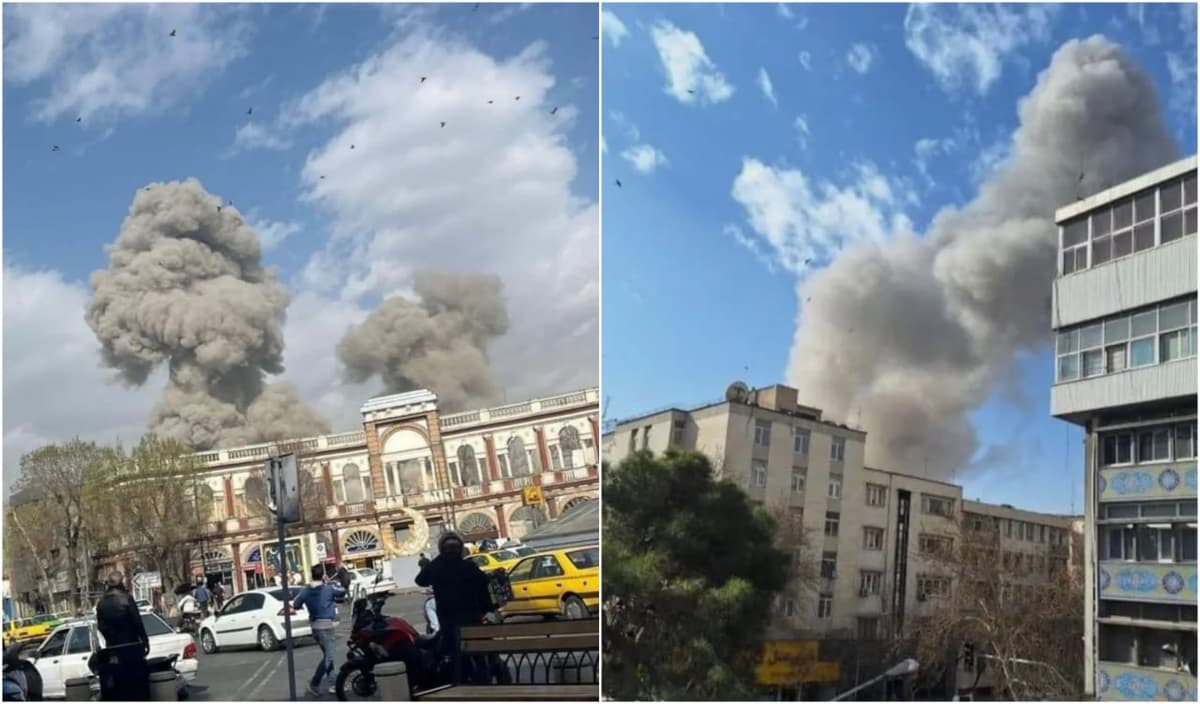
Large explosions were reported in Tehran early Saturday, with residents describing plumes of smoke rising from central districts, including areas near key government institutions. Iranian state media cited blasts in several other cities, including Isfahan, Karaj and Kermanshah. Iranian authorities confirmed that ambulances had been dispatched to affected areas and that hospitals were placed on alert. The number of casualties has not yet been officially announced.
President Donald Trump confirmed that U.S. forces had begun what he called “major combat operations” in Iran. In a public statement, he said the objective was to defend American personnel and allies by eliminating imminent threats from the Iranian leadership.
According to U.S. officials, the strikes are expected to be more extensive than the American attack last June, when three Iranian nuclear facilities were bombed during a brief but intense confrontation between Israel and Iran. This time, dozens of strikes are reportedly being carried out by aircraft operating from regional bases and aircraft carriers, following what has been described as the largest American military buildup in the Middle East in decades.
Regional alert and Israeli emergency measures
In Israel, air-raid sirens sounded nationwide as authorities prepared for potential retaliation. The Israeli government declared a state of emergency, suspended civilian flights and imposed nationwide restrictions, including the closure of schools and workplaces. Hospitals began relocating patients to fortified or underground wards in anticipation of missile attacks.
Israeli officials indicated that the country was acting in coordination with Washington and was prepared for a sustained exchange. Iran, for its part, closed its airspace and signaled readiness to respond.
Diplomacy collapses as military option prevails
The strikes follow weeks of heightened rhetoric and failed diplomatic efforts over Iran’s nuclear program. A recent round of mediated talks in Switzerland ended without agreement, deepening mistrust between the two sides. Tensions had already intensified after President Trump threatened military action unless Tehran agreed to curb its nuclear and regional activities.
This is the second U.S. strike on Iran within a year. In 2018, during his previous term, Trump withdrew from the 2015 nuclear agreement and reinstated sanctions, a move that entrenched skepticism in Tehran about Washington’s commitment to negotiated settlements.