The plans are outlined in a presidential resolution approving programs for the social and economic development of Karakalpakstan for 2026 and the following years.
According to the document, about $200 million in financing will be attracted from the Asian Development Bank starting in 2027 to support projects aimed at improving road infrastructure, water supply and wastewater systems in the region.
The funds will be allocated under a results-based financing program designed to strengthen essential infrastructure and services.
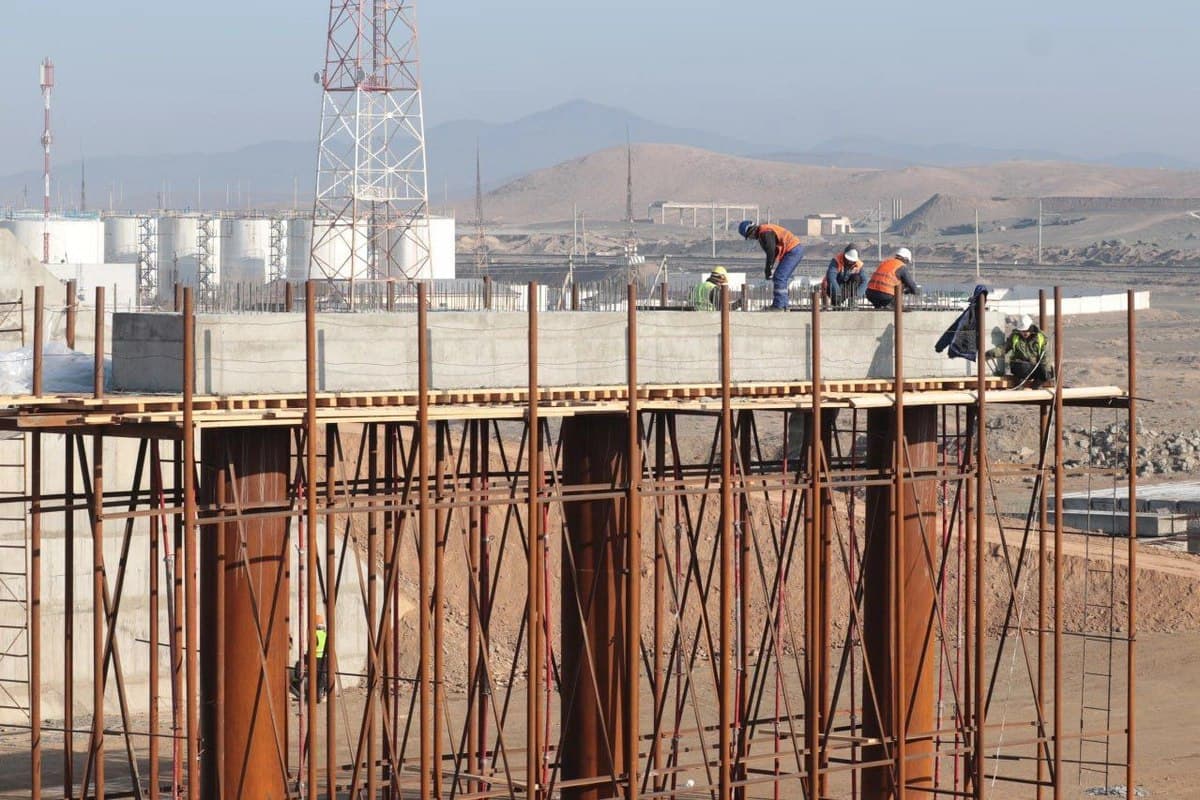
One of the key projects involves the construction of a 2.2 km road and a new bridge over the Amu Darya River between Nukus and Takhiatash district. The project is expected to help reduce traffic congestion in the area.
In addition, authorities plan to build an overpass on a 4 km section of the Nukus – Chimbay – Takhtakupir highway (D234).
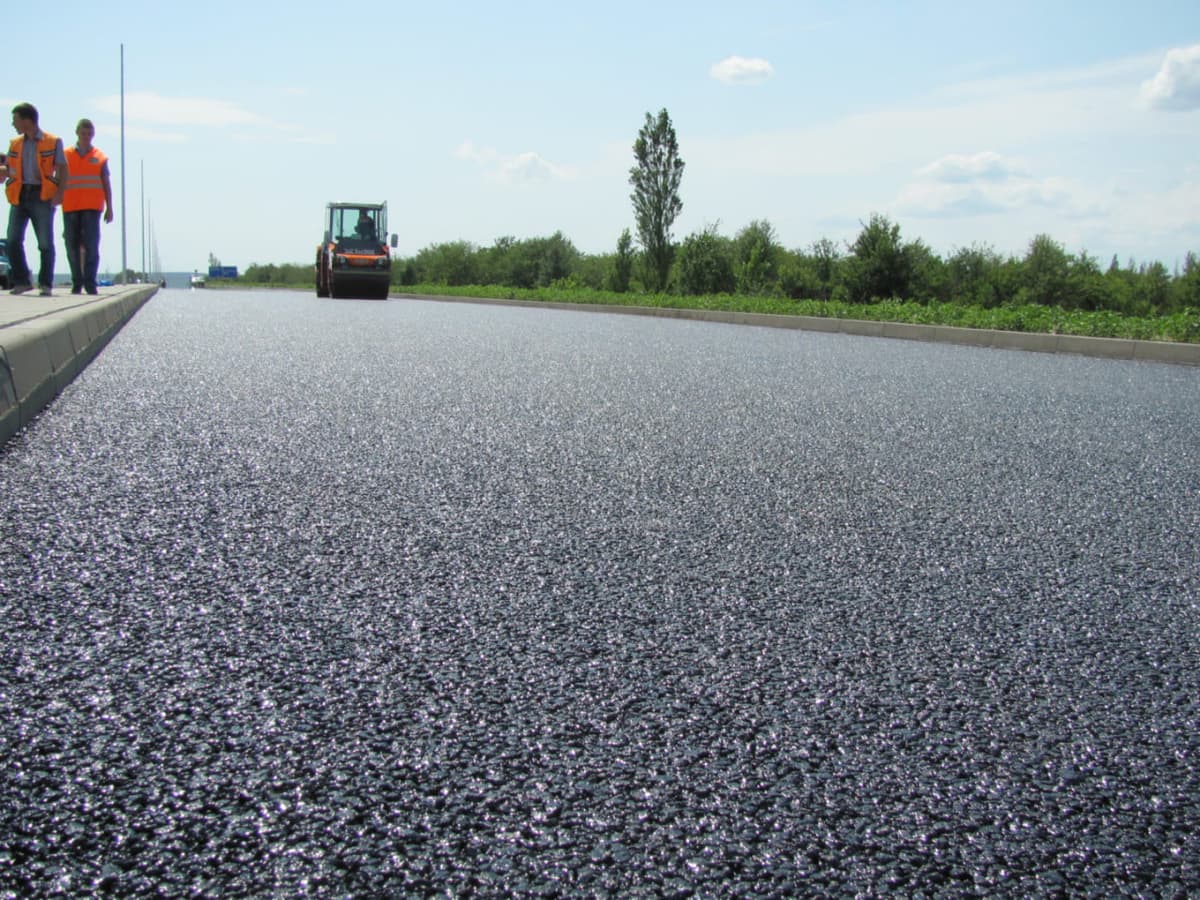
Several road reconstruction projects are also planned across Karakalpakstan.
In Shumanay district, 31 km of the D235 public road will be reconstructed.
Meanwhile, 110.5 km of roads will be upgraded in Amudarya district, along with the construction of 107 km of water pipelines, a pumping station and a local wastewater treatment facility.
The development program also includes a number of water infrastructure projects across the region:
- 89.8 km of water pipelines and two water distribution facilities in Takhiatash district
- 389.3 km of water pipelines and three water distribution facilities in Turtkul district
- 35.7 km of sewerage networks and five treatment plants in Buston
- 35 km of sewerage networks and four treatment plants in Beruni
The government aims to ensure that 83.5 percent of residents in populated areas have access to drinking water in the coming years.
The resolution also sets a target to increase the share of renewable energy sources to 70 percent of electricity generation in the region over the next five years.
The Ministry of Economy and Finance has been tasked with attracting reputable companies to develop regional planning strategies and spatial development plans for Nukus, Kungrad district and Chimbay district.