




Additional features
-
Night mode

Namangan experiment linking tax debt to electricity payments won’t affect low-income households – Tax Committee
The State Tax Committee has clarified that upcoming electricity billing experiments in Namangan region will not affect vulnerable groups, even if they have outstanding tax debts.
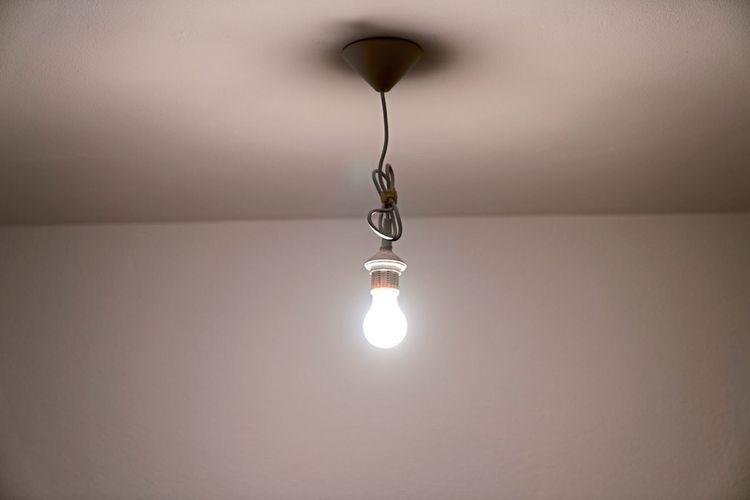
Experiment to link tax debt and electricity billing
From April 16, Namangan region will begin an experimental program using the electricity billing system to manage the collection of property and land taxes for individuals whose total debt exceeds UZS 1 million. The initiative aims to test a staged approach to encouraging payment without immediately disconnecting electricity.
The committee stressed that claims circulating on social media, suggesting that electricity would be cut off even if subscribers have a positive balance, are false.
Protection for vulnerable groups
Restrictions on electricity payments will not apply to:
- Individuals with disabilities (groups 1 and 2)
- Families who have lost a primary caregiver
- Citizens registered in the social protection system
- Other legally designated privileged categories
According to official data, as of now, 45,800 individuals in Namangan region have tax debts exceeding UZS 1 million, representing 8 percent of the region’s 531,200 taxpayers. It is not specified how many of these belong to the exempted groups.
Gradual approach and potential nationwide rollout
Under the experimental system, individuals will receive multiple warnings before any temporary restrictions on electricity payments are applied. The results of the Namangan experiment will inform proposals to the Cabinet of Ministers by October 1, 2026, on whether to implement the system in other regions.
The committee noted that, under current legislation, individuals with tax debts exceeding UZS 1 million may still face legal enforcement, which could result in additional state fees and collection costs.
Broader context
Since 2025, residents with unpaid utility debts have been restricted from paying for electricity in certain cases. Starting July 1, 2026, property owners who do not pay monthly housing fees (“kvartplata”) by the fifteenth of each month will also face temporary restrictions on electricity payments.
Linking outstanding debts to electricity payments for waste services is already legally established. However, extending this mechanism to tax and housing debts has not yet been incorporated into the law.

Related News
15:57 / 17.07.2026
Record electricity demand prompts temporary power cuts in parts of Uzbekistan

13:29 / 16.07.2026
Uzbekistan considers mandatory social tax for self-employed workers
21:40 / 15.07.2026
Central Bank survey finds 61% of borrowers struggle to repay debts on time
17:25 / 14.07.2026