





Additional features
-
Night mode

Private label and OEM manufacturing in Uzbekistan: How contract production works
Businesses use different models to generate profit and expand into new markets. For companies and entrepreneurs, the choice of a business model depends on several factors, including the level of control they want to maintain over production, branding, and distribution.
One of the most widely used models in modern retail and manufacturing is private label production. In this model, a brand owner partners with a third-party manufacturer that produces goods according to the brand owner’s specifications. The finished products are then sold under the brand owner’s name.
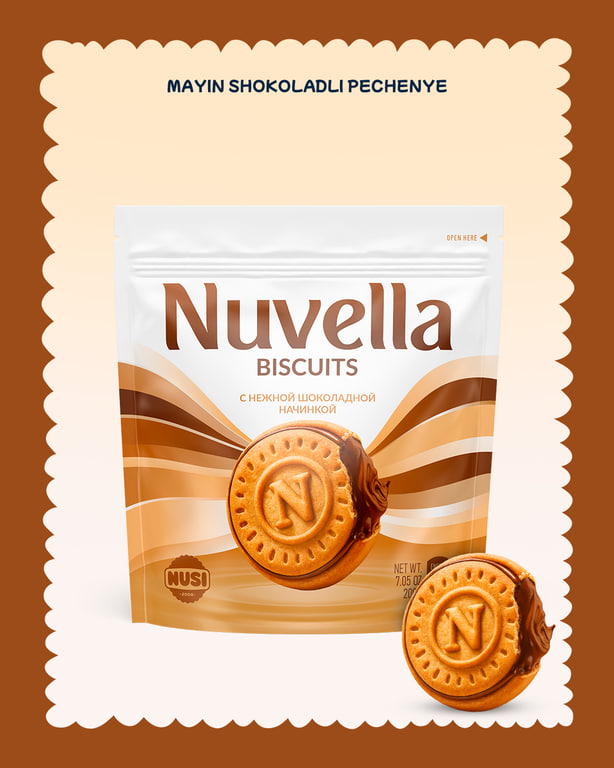
This approach allows retailers and distributors to offer exclusive products while maintaining higher profit margins compared to simply reselling established national brands.
How private label manufacturing works
In a private label model, a company partners with a contract manufacturer that produces goods in bulk using its existing equipment, tools, and production processes. Because manufacturers already operate large-scale facilities, they benefit from economies of scale, which helps reduce production costs.
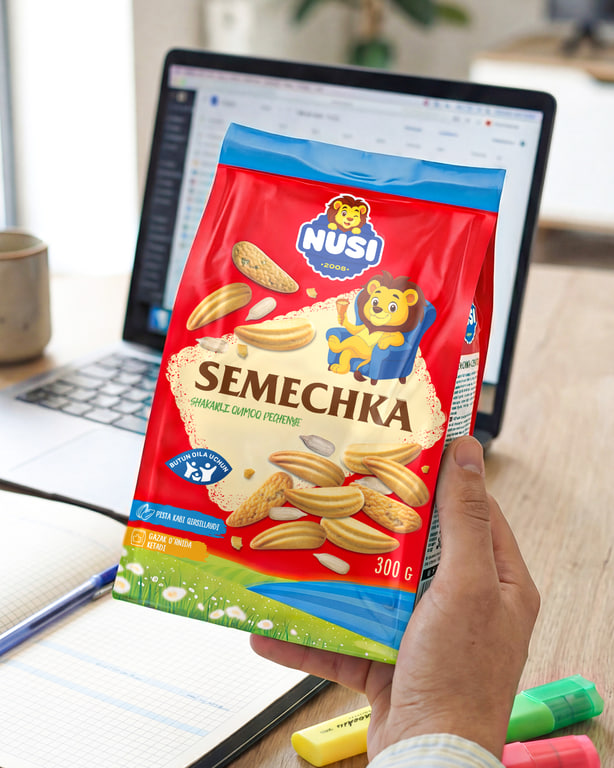
The manufacturer produces the goods, while the brand owner controls:
● branding
● packaging
● marketing
● distribution
The contract grants the business owner the right to sell the products under its own brand name without violating intellectual property rights.
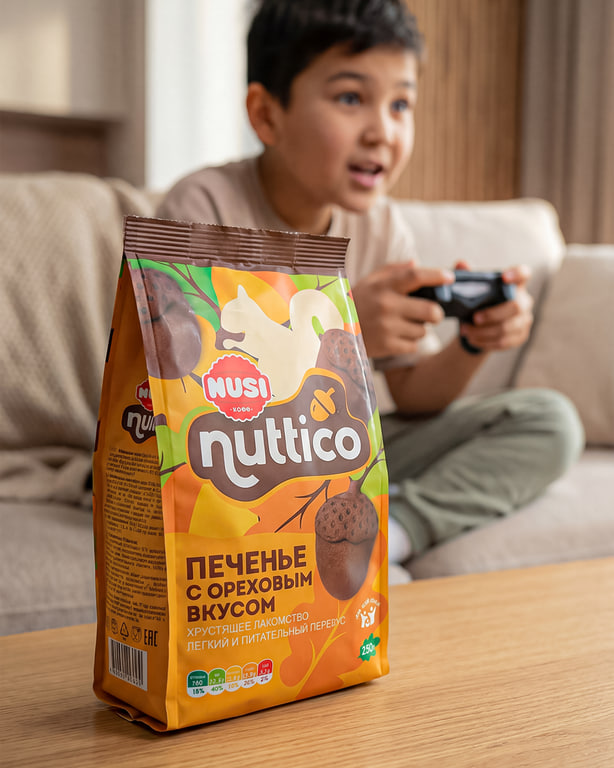
This model enables companies to launch products without investing in factories or production infrastructure.
How private label differs from traditional brands
Private label products differ from traditional branded products in several ways.
Packaging
Private label products typically use simpler and more cost-efficient packaging in order to keep prices competitive. National brands usually invest heavily in packaging design to justify higher price points.
Marketing
Private label products rely primarily on retailer promotion, including store placement and catalog listings. Branded products often require full-scale marketing campaigns across television, social media, and digital platforms.
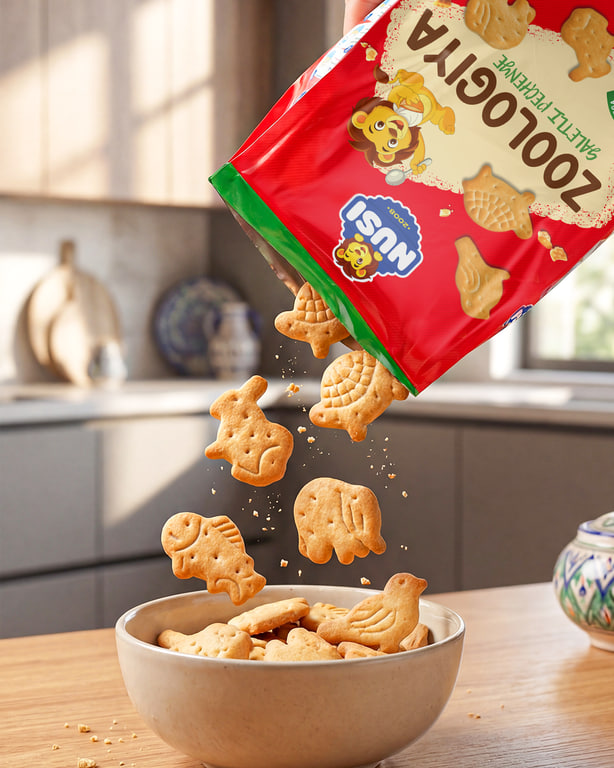
Product categories
Private label products are commonly used in categories such as:
● hair care
● household cleaning products
● restaurant condiments and food mixes
● frozen foods
● confectionery
● personal care items
Why businesses choose private label
There are several reasons why businesses choose the private label model.
One of the most important advantages is cost-effectiveness. Private label production reduces overhead costs and allows companies to offer products at competitive prices while maintaining higher margins.
Private label products also provide pricing stability, which helps retain customers even during periods of economic uncertainty, when national brands may face declining demand.

Another advantage is adaptability. Contract manufacturers typically offer broad product catalogs and flexible production equipment, enabling businesses to test new products quickly and with lower financial risk.
Private label and OEM manufacturing in Uzbekistan
Uzbekistan is home to a growing number of manufacturers offering private label and OEM contract manufacturing services.
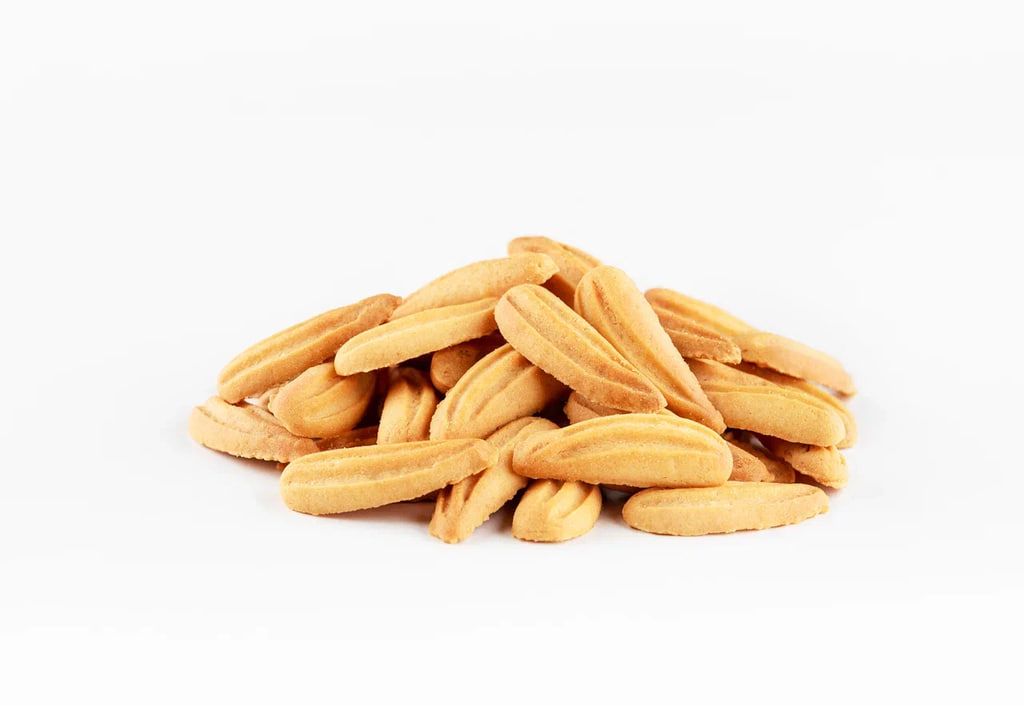
One example is NUSI, a private label and OEM contract manufacturer based in Uzbekistan that specializes in confectionery production.
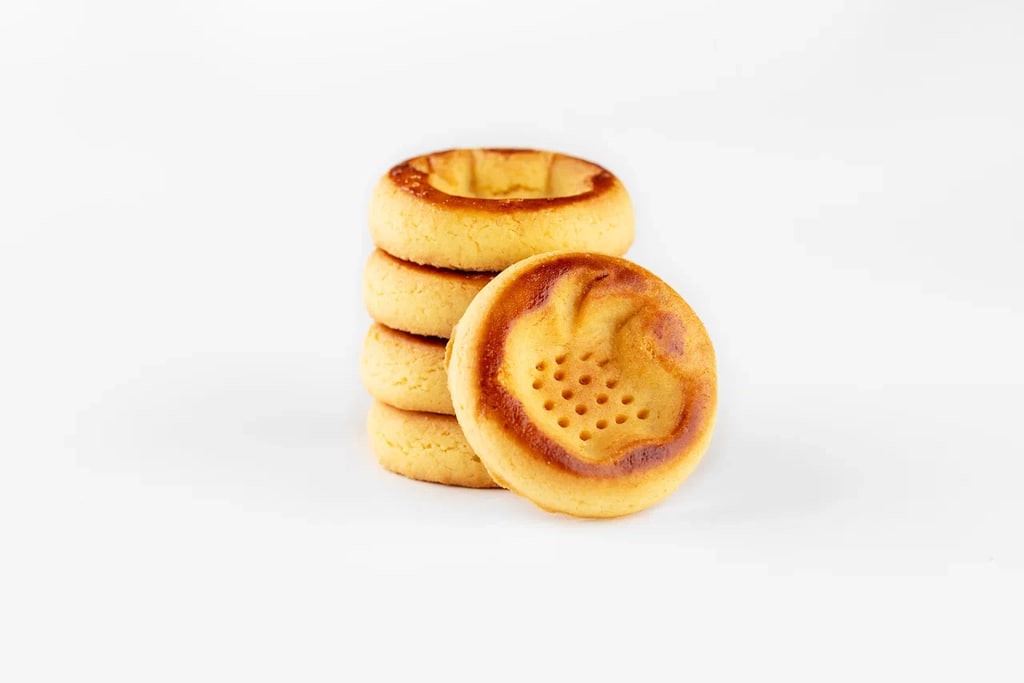
NUSI produces cookies, wafers, crackers, and other baked goods. In addition to its own brand, the company offers a full cycle of contract manufacturing, enabling retailers, distributors, and wholesalers to launch confectionery products under their own brand names both in Uzbekistan and in international markets.
As a private label and OEM manufacturer, NUSI provides production services for companies that want to introduce their own products without building their own factories.
What is OEM contract manufacturing?
OEM (Original Equipment Manufacturing) is a model in which a factory produces finished products that are sold under another company’s brand.
In the FMCG and food industries, OEM manufacturing is closely connected to private label production. Both models allow companies to focus on branding, marketing, and distribution while outsourcing production to specialized manufacturers.
Advantages of OEM manufacturing with NUSI
Companies partnering with NUSI benefit from several advantages.
Reduced production costs
Clients pay only for manufacturing services without investing in equipment, staff, or raw materials.
Fast time-to-market
NUSI’s ready-made production infrastructure allows new SKUs to be launched quickly.
Flexible product development
Recipes can be developed and adapted according to the customer’s requirements.
Cost distribution
Fixed plant costs are shared across multiple orders, reducing the production cost per unit.
Scalability
Production volumes can be adjusted up or down without requiring capital investment from the customer.
NUSI’s Production Capabilities
NUSI operates modern production lines and maintains an in-house quality control laboratory.
Product categories available for private label and OEM production include:
● cookies (sugar, hard, butter, and filled varieties)
● wafers (rolls, sheets, and cream-filled)
● crackers and biscuits
● corn sticks and snack products
● confectionery gift sets
● seasonal and holiday confectionery
Contract manufacturing services include:
● recipe development and adaptation
● branded packaging design and production
● product certification
● small- and large-scale manufacturing
● barcoding and labeling
● palletizing
● storage and logistics
Packaging and brand identity development are often handled by specialized agencies such as Minim Design Agency (minim.uz), a packaging design studio working with FMCG manufacturers and exporters in Uzbekistan to develop packaging systems and visual identities for private label and export-oriented products.
Why companies choose NUSI
NUSI holds a strong position in the contract manufacturing segment due to several factors.
Extensive manufacturing experience
The company supplies confectionery products for both export and the domestic Uzbek market.
Multi-stage quality control
Quality checks are conducted at every stage of production, from raw materials to finished goods.
Flexible cooperation terms
Partners can start with test batches or larger orders depending on their business needs.
Integrated production infrastructure
NUSI operates its own equipment and packaging systems without relying on subcontractors.
Strategic logistics location
Located in Tashkent, NUSI provides convenient logistics across Uzbekistan and the CIS region, including Kazakhstan, Kyrgyzstan, Russia, and the UAE.
Who can partner with NUSI
NUSI collaborates with a wide range of partners, including:
● retail chains and supermarkets developing private label confectionery products
● distributors and wholesalers launching products under their own trademarks
● exporters and traders operating across the CIS, the Middle East, and other markets
● startups and entrepreneurs launching confectionery brands without building production facilities
The global outlook for private label and the potential for Uzbekistan
Consumer perception of private label products has improved significantly worldwide.
According to the 2025 Global Outlook by NielsenIQ, 53% of global consumers are purchasing more private label products, while 68% consider private labels a good alternative to national brands.
Private label sales increased 4.3% year-on-year, while the top ten global brands grew slightly faster at 4.8%. In Europe, private label growth slowed from 12% in 2023 to under 4% in 2024.
Across generations, 54% of consumers say they are willing to trade up to premium brands, including 61% of Millennials and 58% of Gen Z consumers.
For Central Asia, and particularly for Uzbekistan, the potential for private label manufacturing continues to grow alongside the development of modern retail and small- and medium-sized enterprises.
The number of modern retail stores in Uzbekistan has increased significantly, rising from around 50 stores to more than 1,000 in recent years.
At the same time, small and medium-sized enterprises (SMEs) account for roughly 50% of Uzbekistan’s GDP and play a major role in the expanding trade sector.
This growth creates strong opportunities for contract manufacturing partnerships, enabling retailers to collaborate with local manufacturers to launch in-house brands.
The presence of large retail players, combined with a population of more than 37 million people, further supports the development of private label strategies. With nearly 60% of the population under the age of 30, consumer demand is increasingly shaped by a preference for convenient, high-quality, and affordable products.
Taken together, these trends position Uzbekistan’s retail sector as a promising platform for scaling private label production and building locally integrated manufacturing value chains.
Advertisement
Related News

19:08 / 16.07.2026
Tashkent International Financial Center: Uzbekistan is taking its place on the global financial map

12:31 / 08.07.2026
Government considers extending tax incentives for IT Park residents until 2040

11:24 / 02.07.2026
Businesses in Uzbekistan accelerate AI and cybersecurity investment to gain competitive edge
17:35 / 25.06.2026