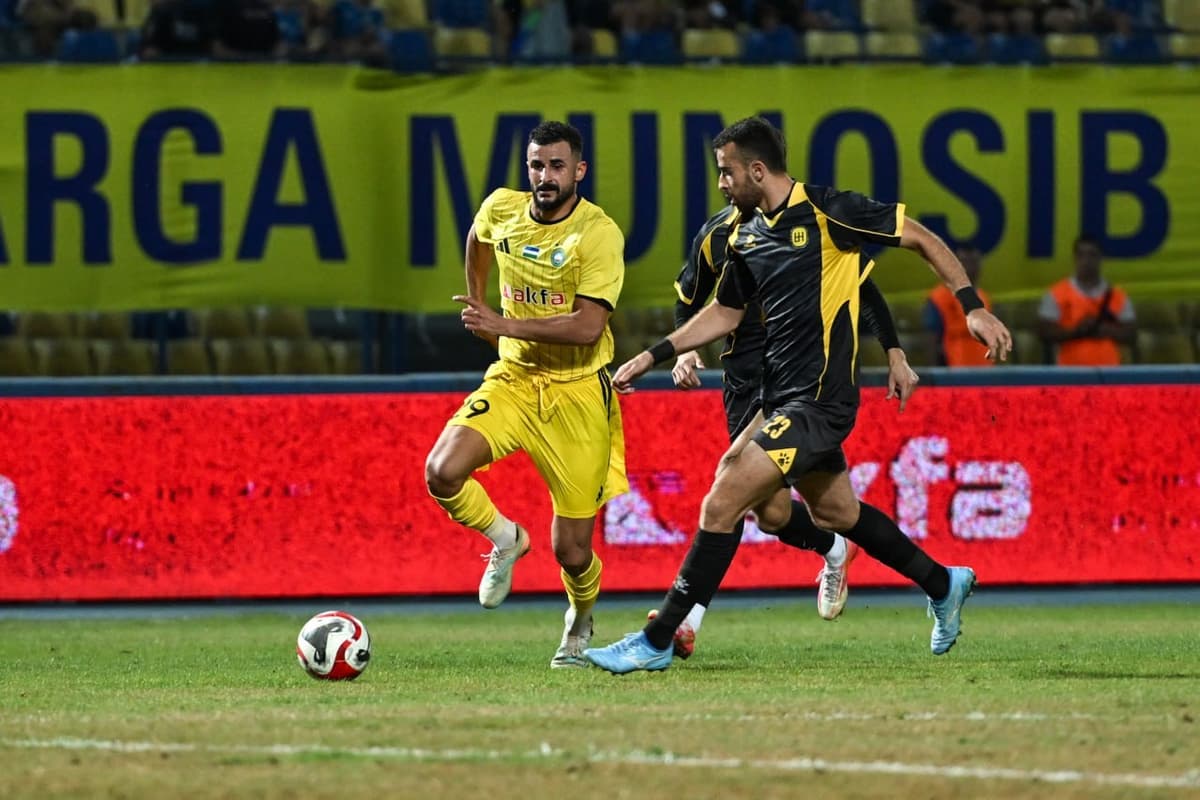
The initiative, spearheaded by the Uzbekistan football association (UFA), the National Olympic Committee (NOC), and the Ministry of Sports, proposes a standardized annual budget for Super League clubs. Under this plan, each club is slated to receive UZS 35 billion from the state for the 2026 season.
Addressing financial instability
The move comes as a response to the financial challenges faced by several prominent teams. At the beginning of the year, state-owned giants such as Uzbekneftegaz ceased their sponsorship of clubs including Bunyodkor, Nasaf, and Bukhara.
This transition left several organizations, most notably Bunyodkor, Dinamo, and Surkhon, grappling with reported funding gaps. The proposed centralized model aims to create a level playing field and ensure the basic operational viability of all top-tier professional clubs.
Incentives for private investment
While the state provides a baseline of support, the government also intends to encourage private sector involvement. The project includes plans to grant special privileges and incentives to private companies and sponsors who invest in professional football clubs.
Although the exact mechanisms of these incentives and the formal date for the adoption of the decision have not yet been disclosed, the strategy reflects a broader effort to reduce total reliance on direct state company subsidies while maintaining financial security.
Global precedents: the Saudi model
The concept of centralized management is not unique to Uzbekistan. A similar structure exists in the Saudi Pro League, where the state plays a pivotal role in football governance.
In 2023, as part of its sports reforms, Saudi Arabia’s Public Investment Fund (PIF) acquired 75% stakes in four leading clubs – Al-Nassr, Al-Hilal, Al-Ahli, and Al-Ittihad. Simultaneously, other teams were paired with large state or semi-state enterprises in the oil, gas, and industrial sectors, creating a system where elite sport is anchored by state-linked financial structures.