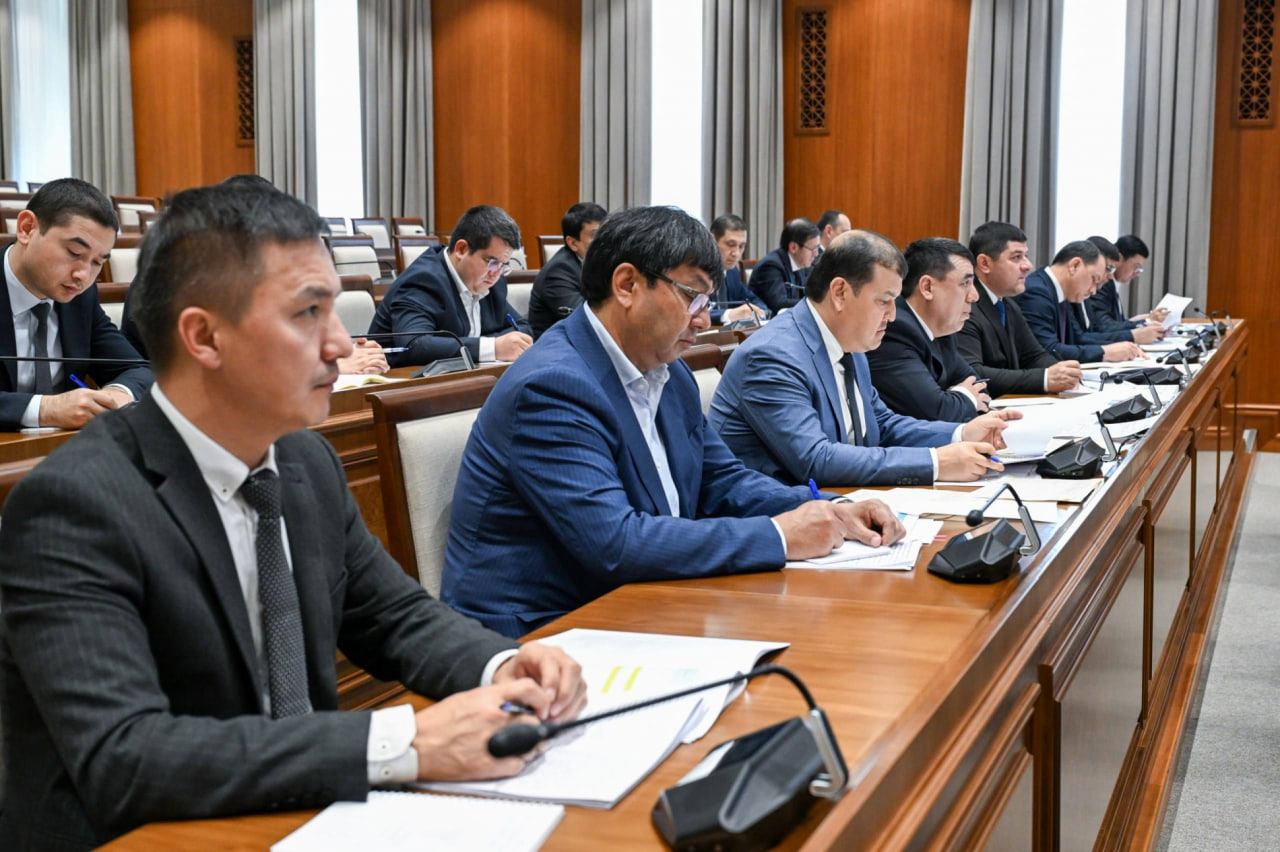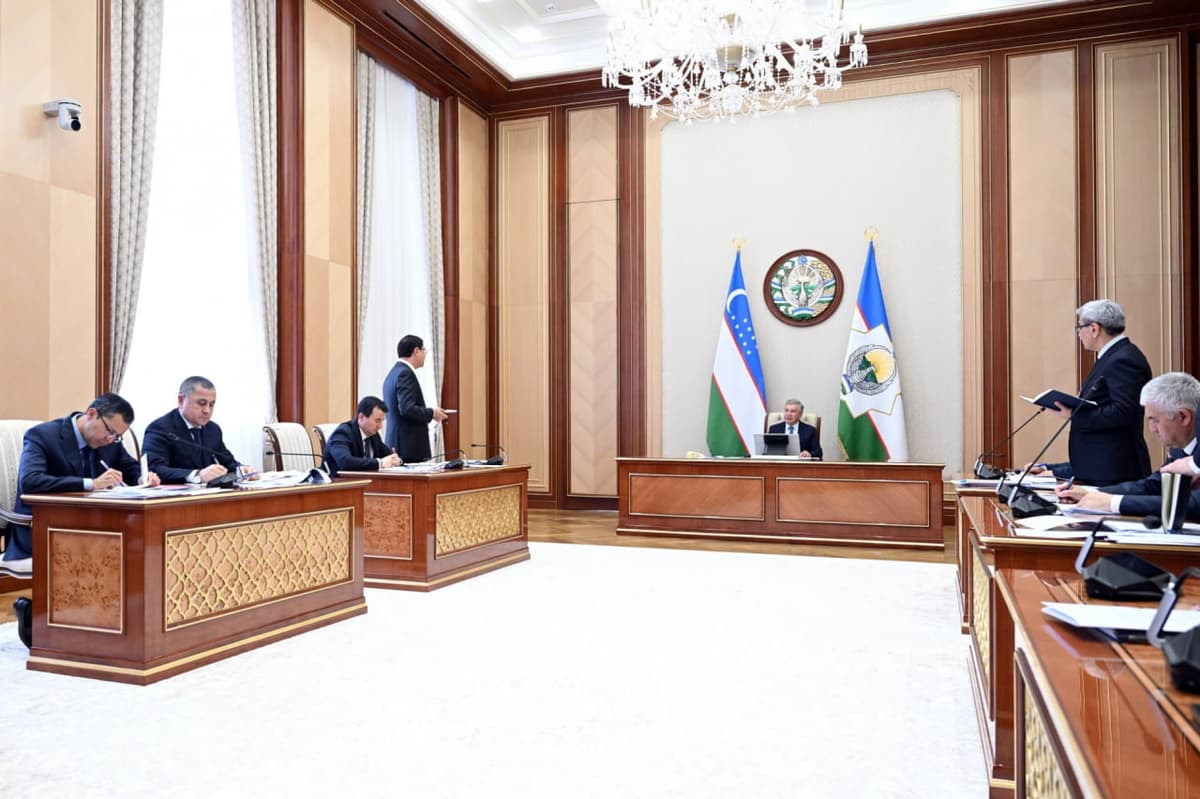
The plans were outlined on April 2, when the president chaired a meeting to review reforms and define priorities for the region, the presidential press service reported.
Bukhara’s gross regional product (GRP) grew by 7.2% in 2025 to UZS 86.6 trillion, with industrial output rising by 7.1%, agriculture by 4.3%, and services by 14%. Unemployment fell to 4.7% and poverty to 6%. Authorities now aim to lift GRP to UZS 102.1 trillion in 2026, implying a 9.1% growth rate. Industrial output is projected to rise by 9.1%, agriculture by 5.9%, and services by 20.1%.
The government plans to reduce both unemployment and poverty to 2% and provide income sources for 381,500 people, with targeted measures focused on the cities of Bukhara and Kagan, as well as several districts.
Uzbekistan is targeting $3.3 billion in foreign investment in Bukhara in 2026, alongside $1.5 billion in exports and the implementation of $9.2 billion in projects. A total of 61 major industrial projects valued at $2.2 billion are expected to create 18,000 jobs and increase per capita industrial output from UZS 25.6 million to UZS 29.6 million.
Agriculture
Authorities said modern irrigation and land-use technologies could bring 100,000 hectares into agricultural circulation, boosting output and exports. Plans include more efficient use of 3 million hectares of pastureland and the planting of 59,200 hectares of fodder crops this year.
A total of 82 livestock projects will be implemented, alongside imports of 20,000 pedigree cattle, 30,000 sheep, and 200 horses. In 2026, cotton yields are expected to reach 52 centners per hectare, and grain yields 100 centners per hectare.
Authorities also plan to improve irrigation across 96,800 hectares, save 453.5 million cubic meters of water, and procure 742 units of agricultural machinery. A parallel program will establish 110 mini-farms, creating 3,750 jobs and adding capacity to produce 51,500 tons of milk.
Services and tourism
In the services sector, 49 projects based on local specialization are planned, alongside the creation of 33 trade and service streets, two waterfront zones, 10 roadside zones, and four tourism-focused neighborhoods. A total of UZS 12.5 trillion will be allocated, including UZS 7.5 trillion to support small and medium-sized enterprises.