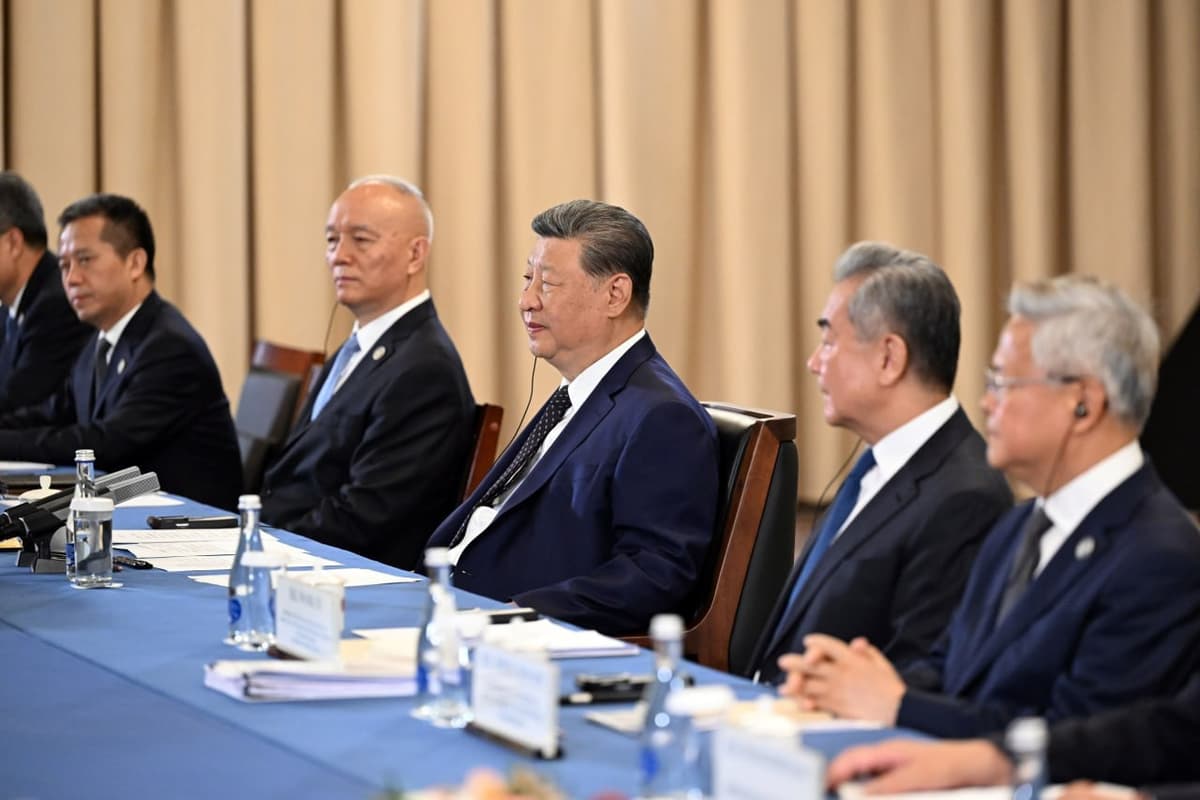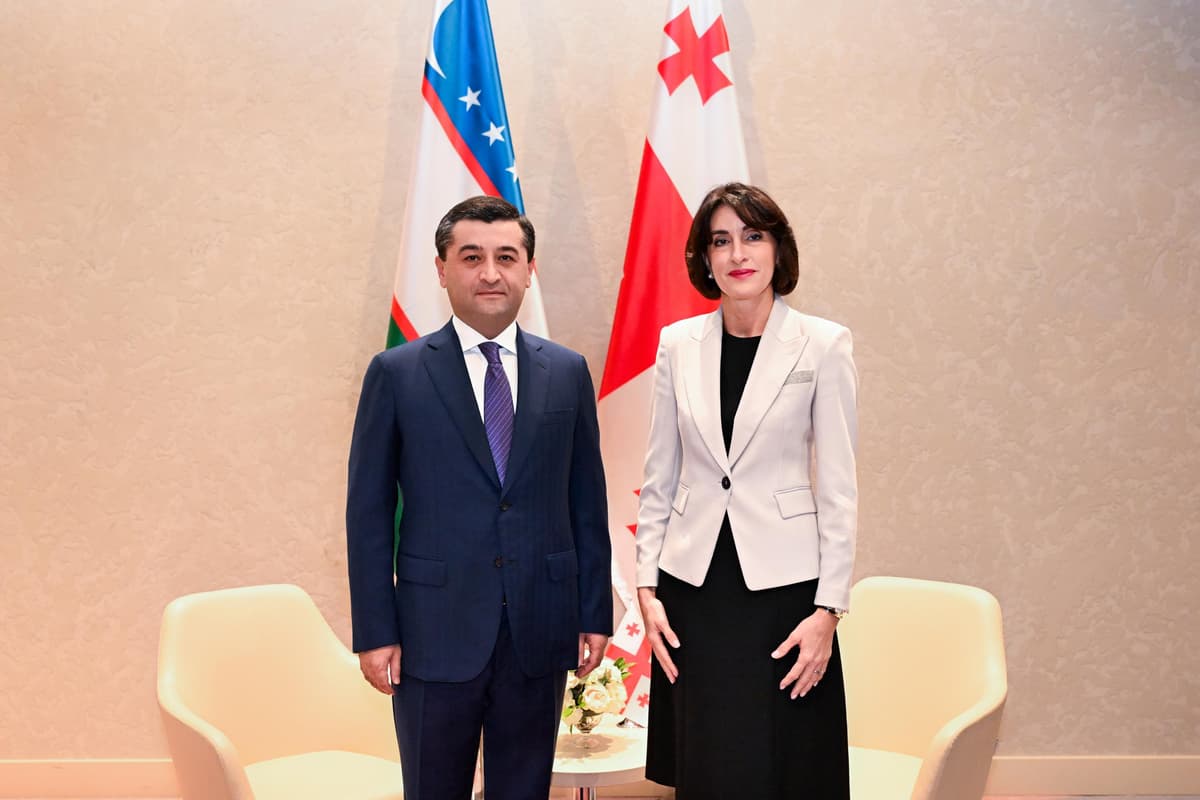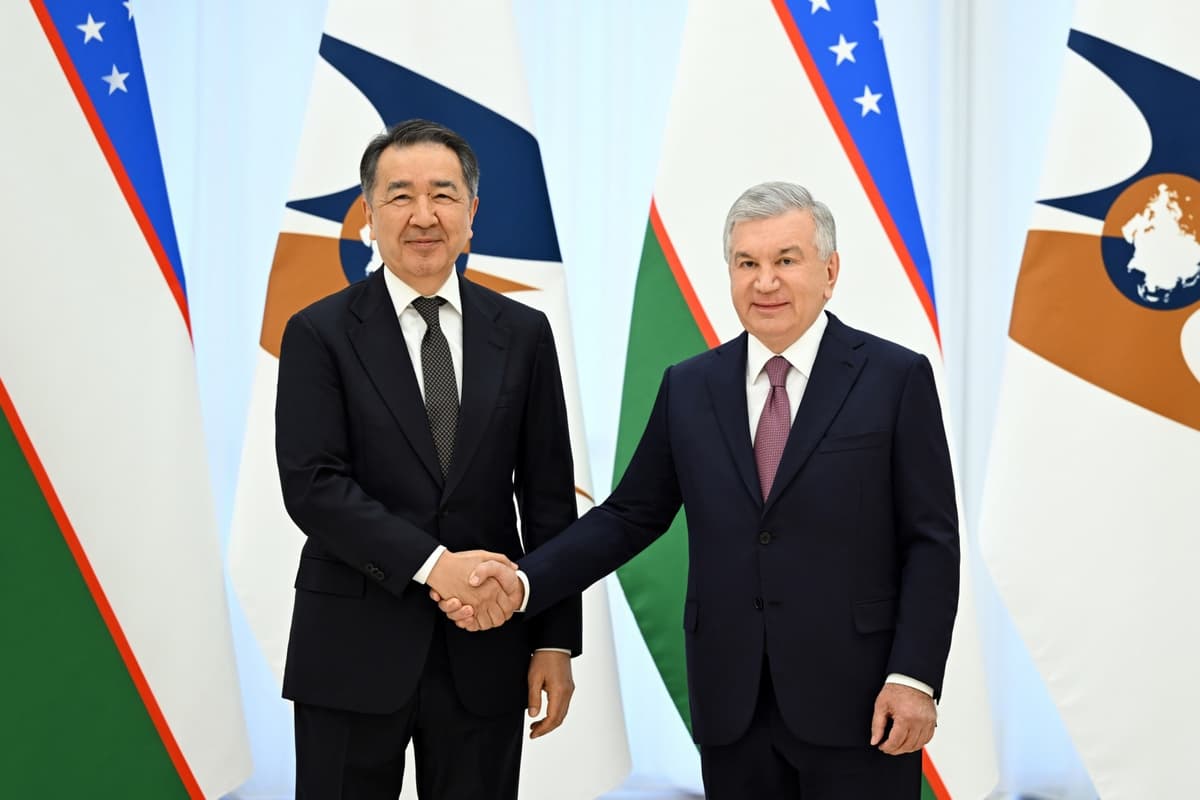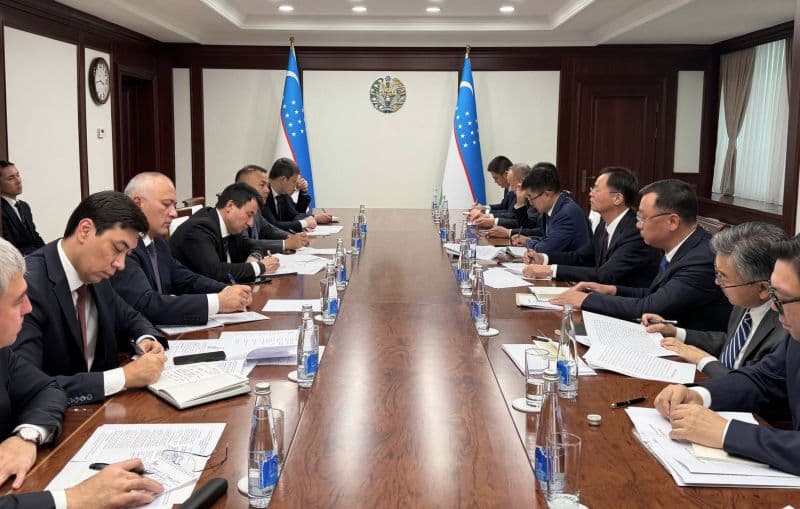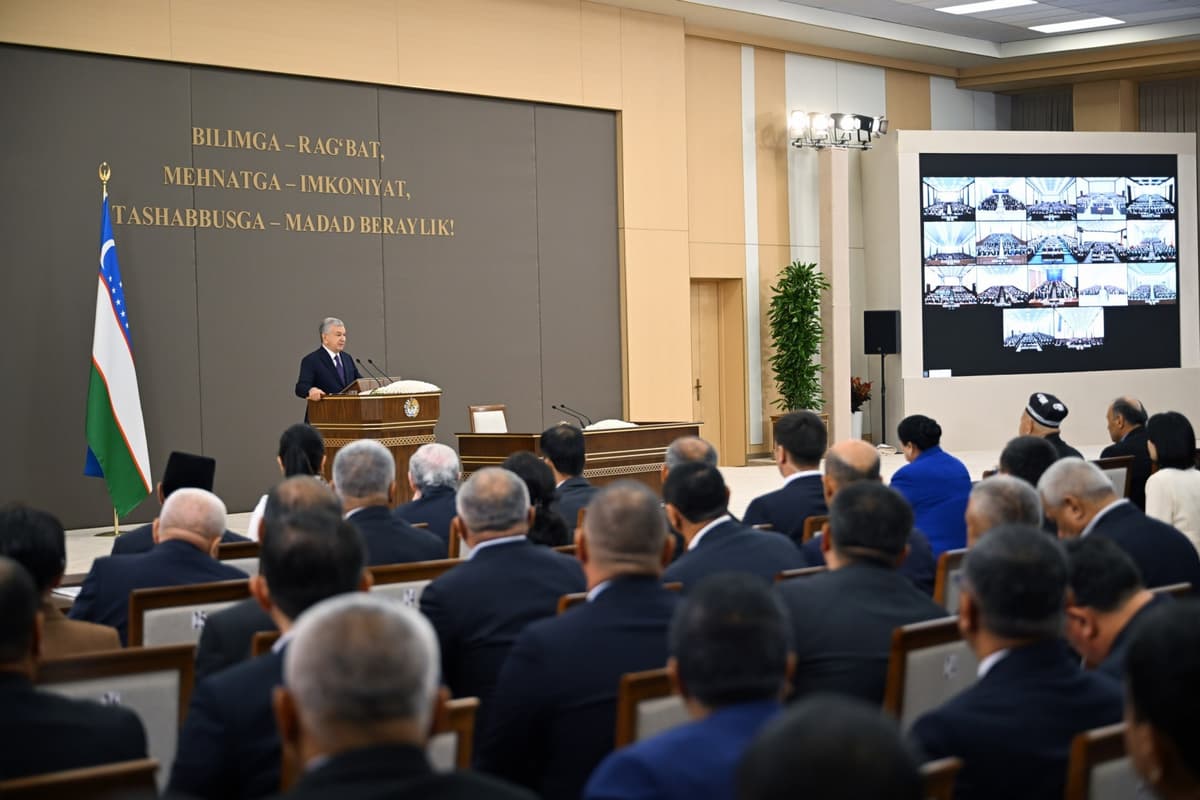
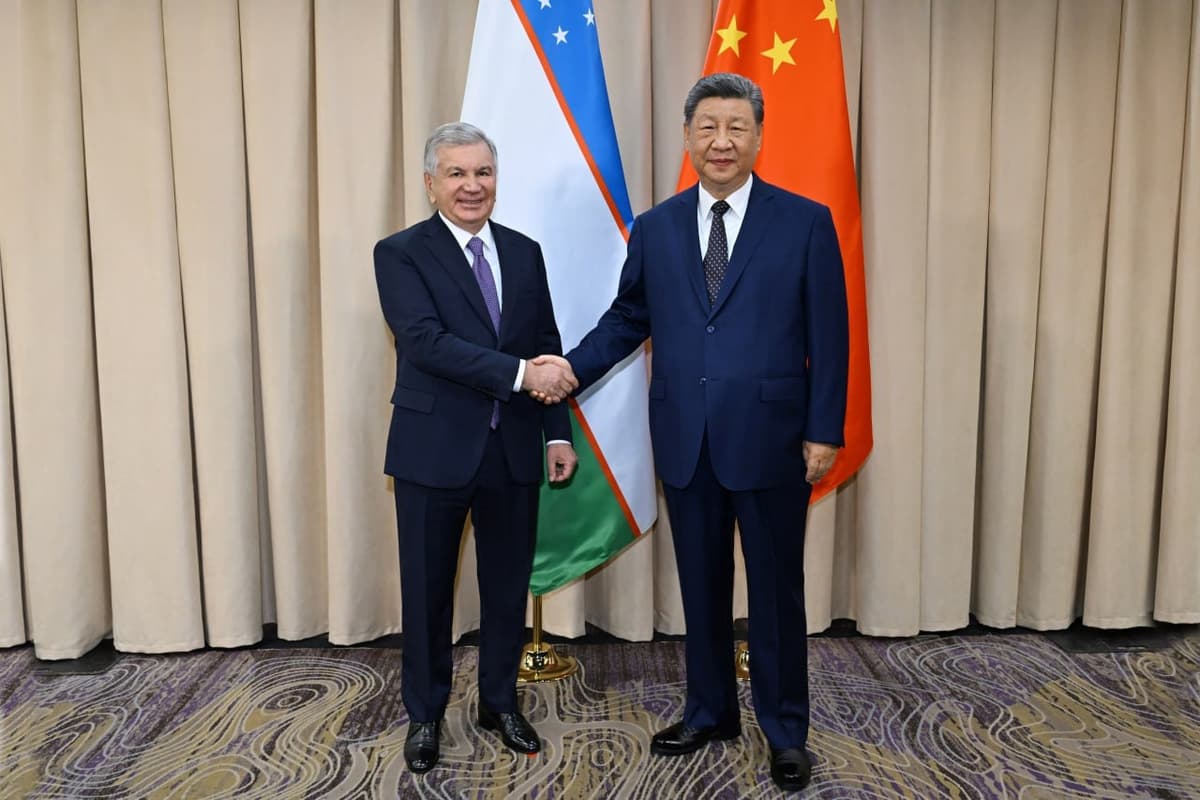
At the beginning of the meeting, Mirziyoyev thanked Xi for his warm congratulations on the 35th anniversary of Uzbekistan’s independence and for his personal contribution to strengthening multifaceted Uzbekistan–China relations.
The two countries will mark the 35th anniversary of the establishment of diplomatic relations next year. Mirziyoyev proposed preparing a program of events to commemorate the anniversary.
The leaders noted that bilateral relations have reached a qualitatively new level in recent years, with political dialogue, trade and economic ties, investment and technological cooperation expanding alongside cultural and humanitarian exchanges.
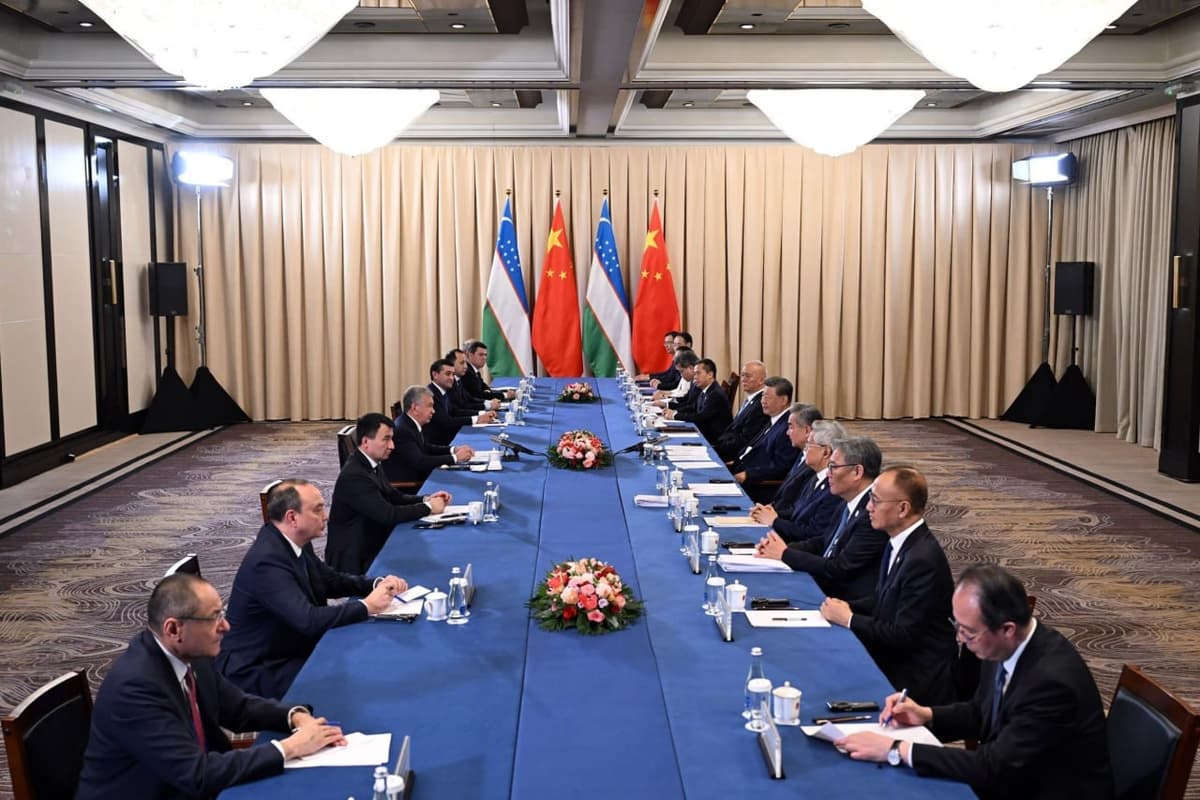
The two sides stressed the importance of continuing systematic strategic dialogue between their foreign ministries and deepening interparliamentary ties. Uzbekistan reaffirmed its consistent support for the one-China policy and its firm opposition to the “three evil forces.”
Trade and investment
Trade and economic cooperation was a key focus of the talks. Bilateral trade turnover approached $18 billion last year, and the two sides expressed confidence that the figure would continue to grow.
Mirziyoyev proposed setting a new target of raising bilateral trade to $30 billion in the coming years. To achieve this, the countries plan to increase mutual supplies of industrial and agricultural products and encourage greater participation by Uzbek companies in trade exhibitions held in China.
The current portfolio of joint investment projects is worth nearly $60 billion, while more than 6,000 joint ventures are operating in Uzbekistan.
The sides identified promising areas for industrial cooperation, including energy, chemicals, metallurgy, construction materials, food production, transport and infrastructure, agriculture and high technology. New growth areas will also be developed in the digital economy, mining, and the extraction and processing of mineral resources.
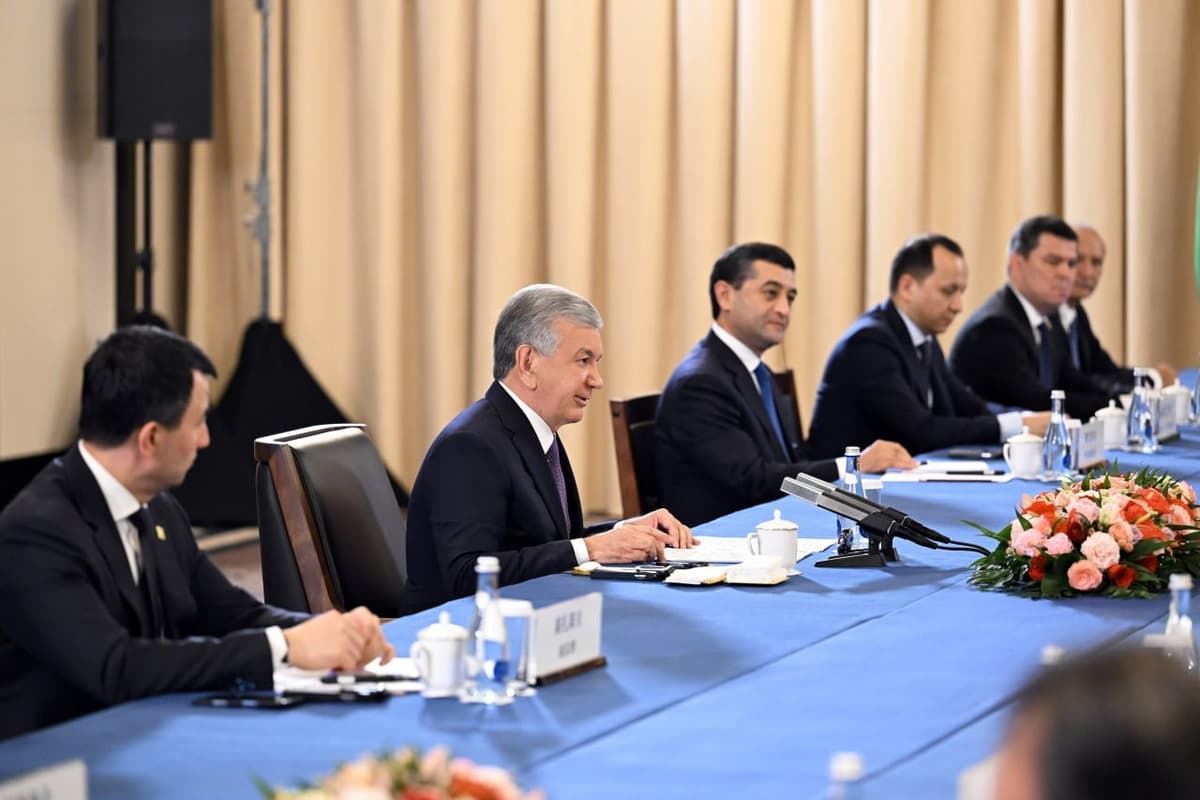
Cooperation with BYD on electric vehicle production was highlighted as a notable example of technological partnership. The sides supported plans to expand production capacity and increase the level of localization.