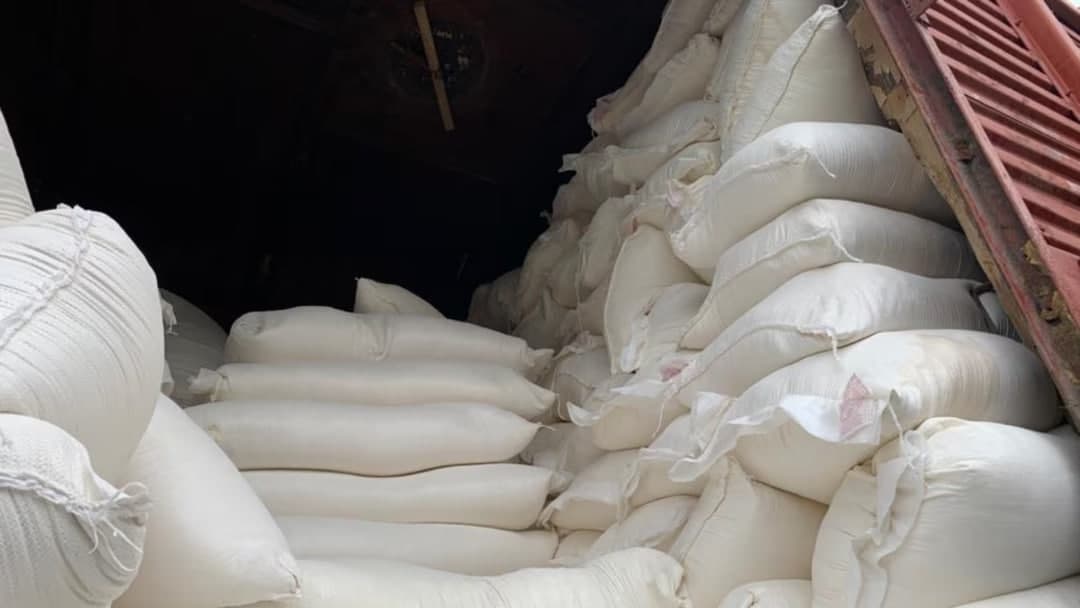
The violations included failing to list flour intended for the domestic market on the exchange or to offer it in sufficient volumes, the committee said.
Following monitoring, the companies were barred from trading starting April 3 in accordance with established procedures.
Separately, cases have been opened against 25 milling enterprises for breaching rules on selling products derived from state resources through the exchange, and enforcement measures have been imposed.
Under the local law, grain and flour are classified as socially significant, highly liquid goods that must be sold exclusively via commodity exchanges. Sales volumes must correspond to the amount of state grain purchased using budget funds.
The committee said these requirements are aimed at stabilizing domestic prices and warned that violations would lead to strict penalties.