
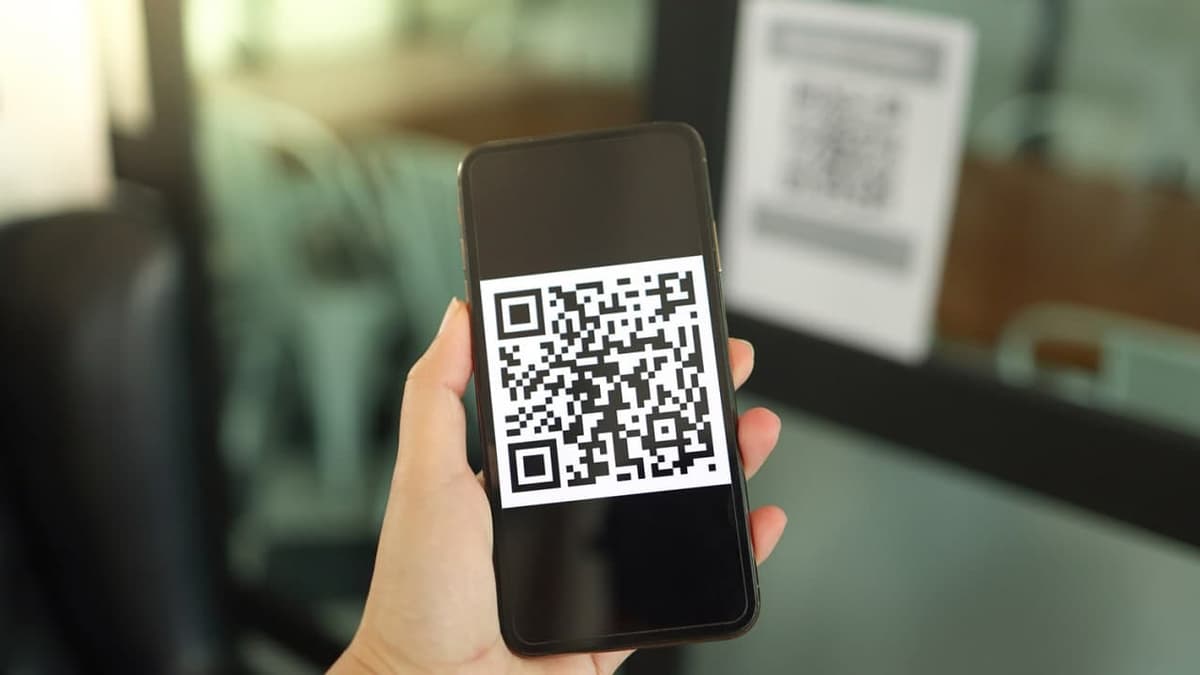
The new regulations, registered by the Ministry of Justice on April 15, aim to streamline digital transactions by ensuring that a single QR code can be scanned and processed by any banking or payment service application.
This standardized approach is designed to eliminate the fragmentation currently seen in the retail market. Under the new rules, merchants can use either static or dynamic QR codes to accept payments. A static code is linked to fixed payment details and can be displayed in printed or electronic formats. In contrast, a dynamic code is generated automatically by the seller's device for a specific transaction and remains valid for a limited duration.
Acquiring banks will be responsible for providing these codes to merchants. This includes supplying printed static codes, which may include holographic protection to ensure authenticity, and issuing devices capable of generating dynamic codes. To facilitate ease of use for consumers, all banks and payment organizations are required to feature a dedicated QR scanning button prominently on the main screen of their mobile applications.
The regulations mandate several core features for mobile payment interfaces. Applications must support the automatic population of payment details and allow for the manual or automatic entry of payment amounts. Furthermore, service providers must display any applicable commission fees clearly before the user confirms the transaction. Users will also have access to real-time transaction receipts and a comprehensive payment history within the app. Customer support is another key pillar of the framework, requiring providers to implement in-app systems for filing complaints and uploading situational evidence.
The system will be overseen by a designated operator responsible for maintaining technical stability, processing payment data, and managing clearing information for settlements between participants. This operator is tasked with providing real-time data access to participants and developing the technical documentation necessary for seamless integration.
Regarding costs, the operator will set service fees in consultation with system participants. Any changes to tariffs must be published on the operator's website within three working days of approval. Additionally, the Central Bank must be notified of any fee or technical documentation adjustments at least 15 working days before they take effect.
This regulatory rollout follows a presidential decree signed in December 2025. The transition to this unified system is on a fast track, as the acceptance of payments via unified QR codes will become mandatory for all trade and service organizations starting July 1, 2026. After this deadline, the absence of a QR payment option will be classified as a violation of trade regulations.