
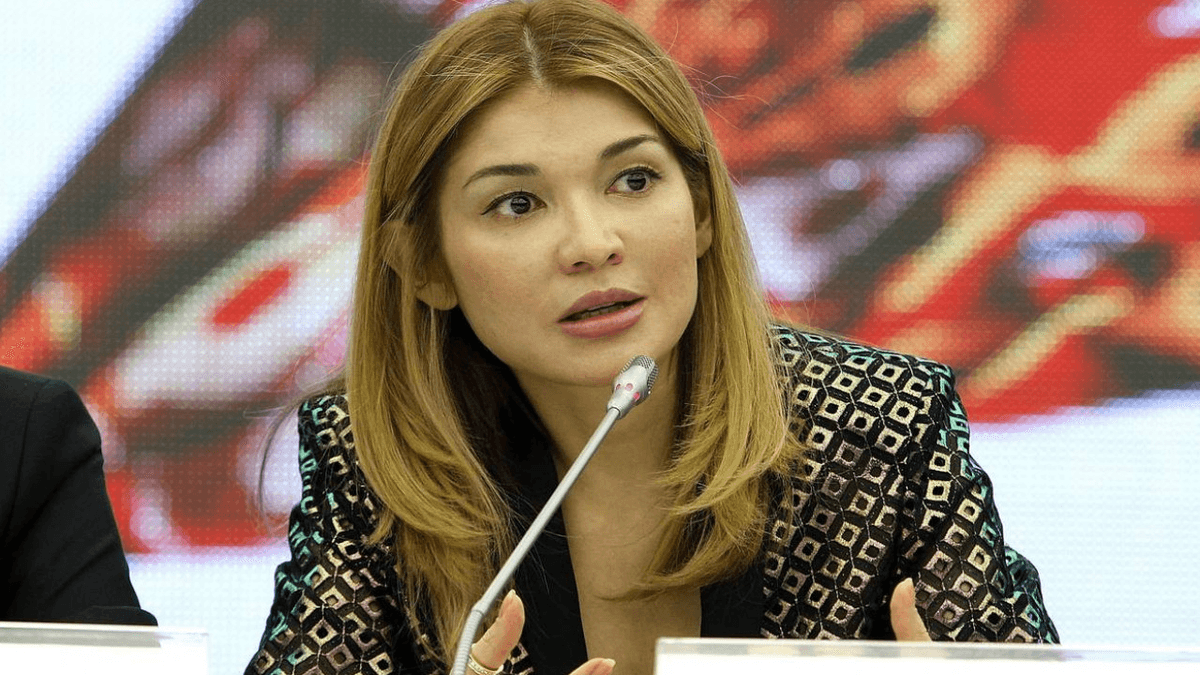
At the heart of the prosecution’s case is a sophisticated network referred to as the "Office." According to the Office of the Attorney General (OAG) of Switzerland, Karimova utilized this network to demand bribes from telecom companies seeking entry into the Uzbek market. The investigation, which began in 2012, has charged Karimova and her business associates with corruption, money laundering, and participation in a criminal organization.
The trial also implicates the Swiss banking sector. A former employee of the Geneva-based private bank Lombard Odier is accused of managing bank accounts for individuals linked to the "Office" between 2008 and 2012. While the bank itself is not accused of active money laundering, the court will examine whether it failed to implement sufficient organizational measures to prevent these illicit activities – a concept known as corporate criminal liability. Lombard Odier has maintained that it proactively reported the case to the Money Laundering Reporting Office Switzerland (MROS) and has cooperated with authorities.
Despite investigations beginning over a decade ago, the court only decided to merge the separate strands of the case in May 2025. In an unprecedented move for Swiss criminal justice, judges traveled to Tashkent in early 2026 to question Karimova, who has been in custody there since 2014.
Significant uncertainty remains regarding the presence of the defendants in Bellinzona. Given her current imprisonment in Uzbekistan, it is unlikely that Karimova will attend the trial in person. Additionally, the whereabouts of her co-defendant remain unknown. This situation presents the Swiss court with the procedural challenge of deciding whether to conduct a trial in absentia or to separate parts of the case once again.