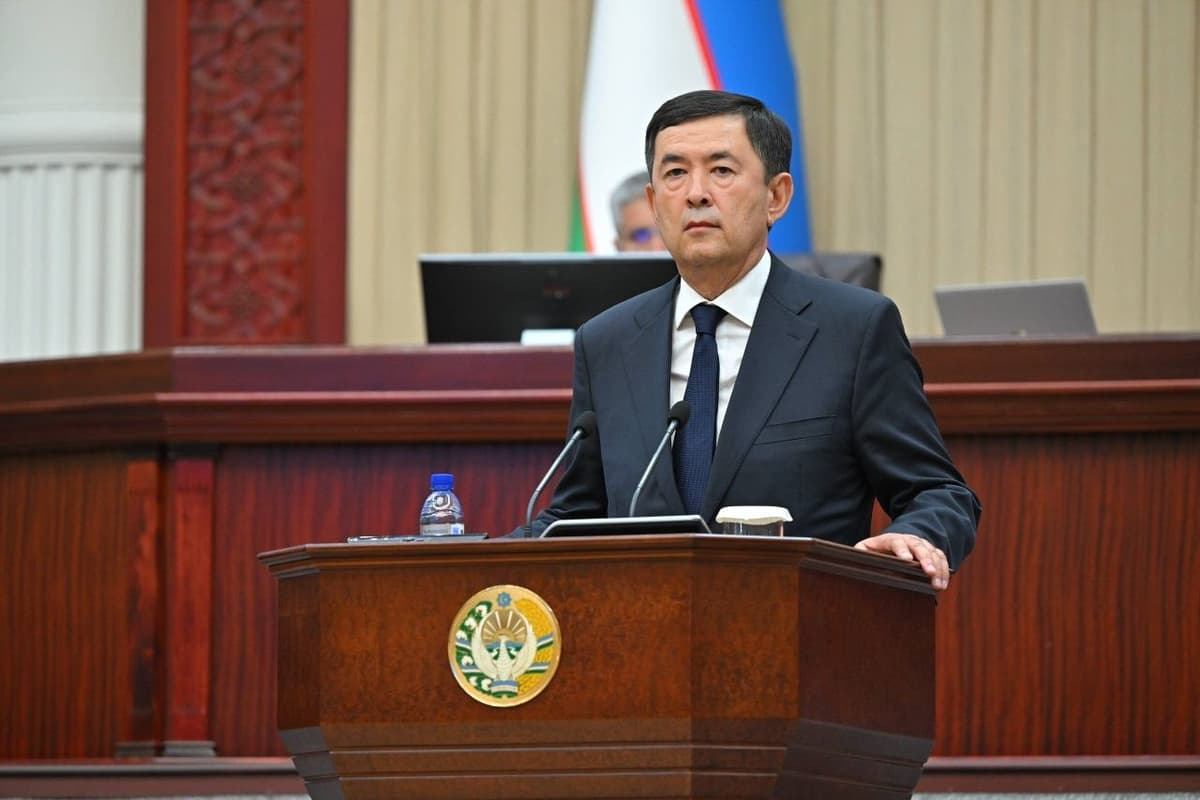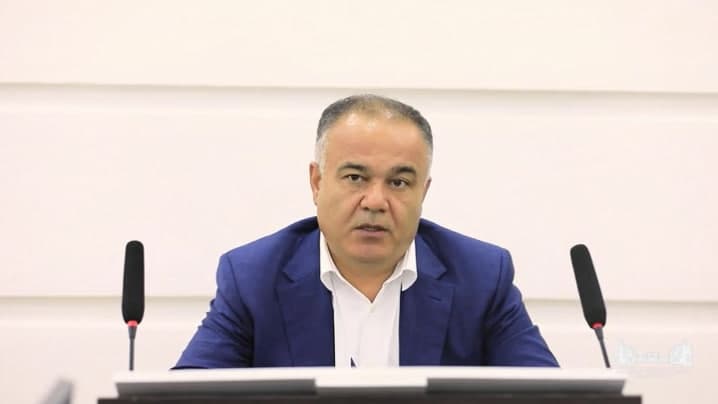
The controversy erupted after Boboev instructed higher education institutions across the region to take responsibility for overseeing the condition of designated streets in Samarkand. Under the proposal, academic staff would be expected to conduct regular inspections, identify infrastructure problems, monitor landscaping and report issues ranging from damaged sidewalks to dying trees and faulty irrigation systems.
In response, the State Labor Inspection reminded regional authorities that Uzbek law prohibits assigning educators duties unrelated to their professional responsibilities and forbids any form of forced labor. The agency warned that implementing such a scheme could constitute a violation of labor legislation.
According to the inspection, compelling teachers to perform municipal oversight or maintenance-related functions outside their official duties may result in administrative penalties. Repeated violations could lead to criminal liability.
The warning followed a meeting between Governor Boboev and university rectors, during which specific city streets were allocated to individual higher education institutions. In footage released by the regional administration, the governor outlined his vision for what he described as a new approach to urban management.
“We will assign one, two, or three streets to every higher education institution,” Boboev said. “I am not telling you to plant trees, build sidewalks, or perform manual labor there. You will simply be the owners of that street.”
The governor said lecturers should walk along their designated streets each morning, inspect cleanliness, identify public concerns, assess the condition of sidewalks and trees, and monitor irrigation systems before preparing detailed action plans.
The initiative was proposed following a series of inspections during which Boboev criticized municipal services over deteriorating sidewalks, blocked drainage channels and neglected green spaces. However, the proposal quickly drew criticism from members of the public and civil society activists, who argued that it would divert teachers from their core responsibilities of teaching, research and student mentorship.
Critics also warned that such assignments could evolve into a system requiring educators to submit routine photographic reports and perform functions traditionally handled by municipal authorities.