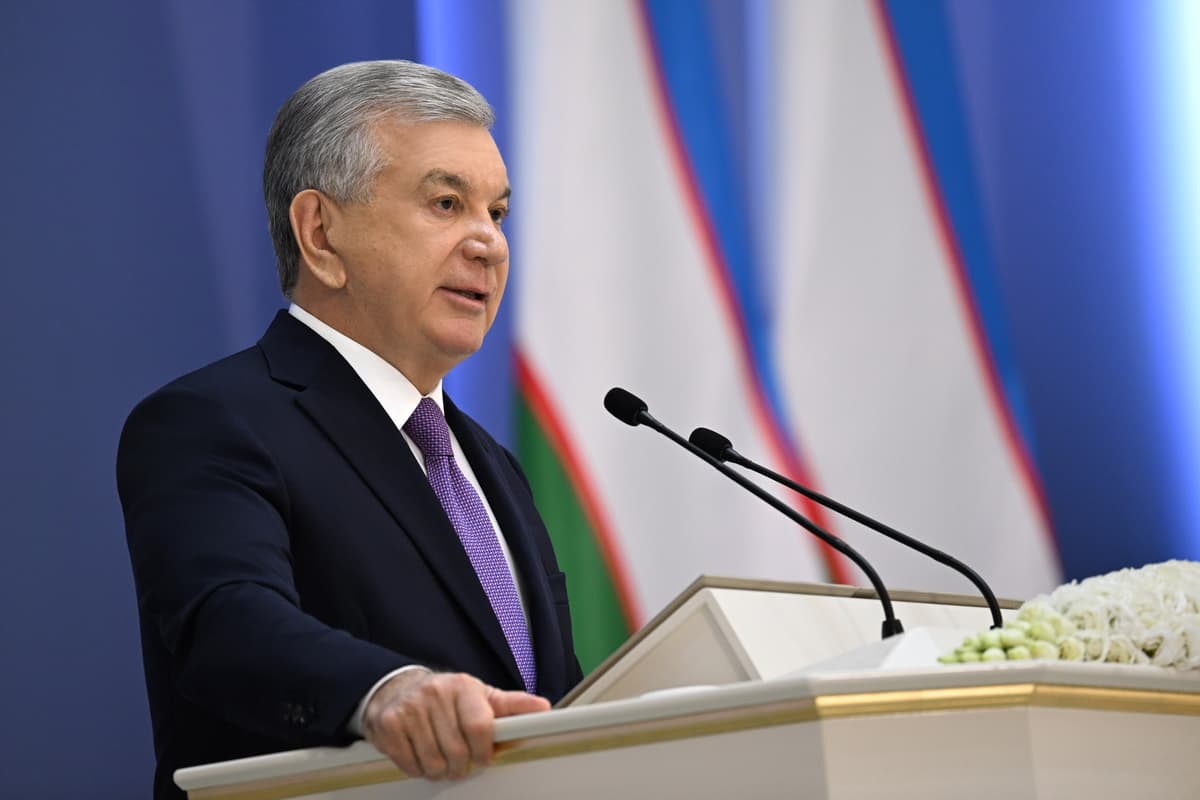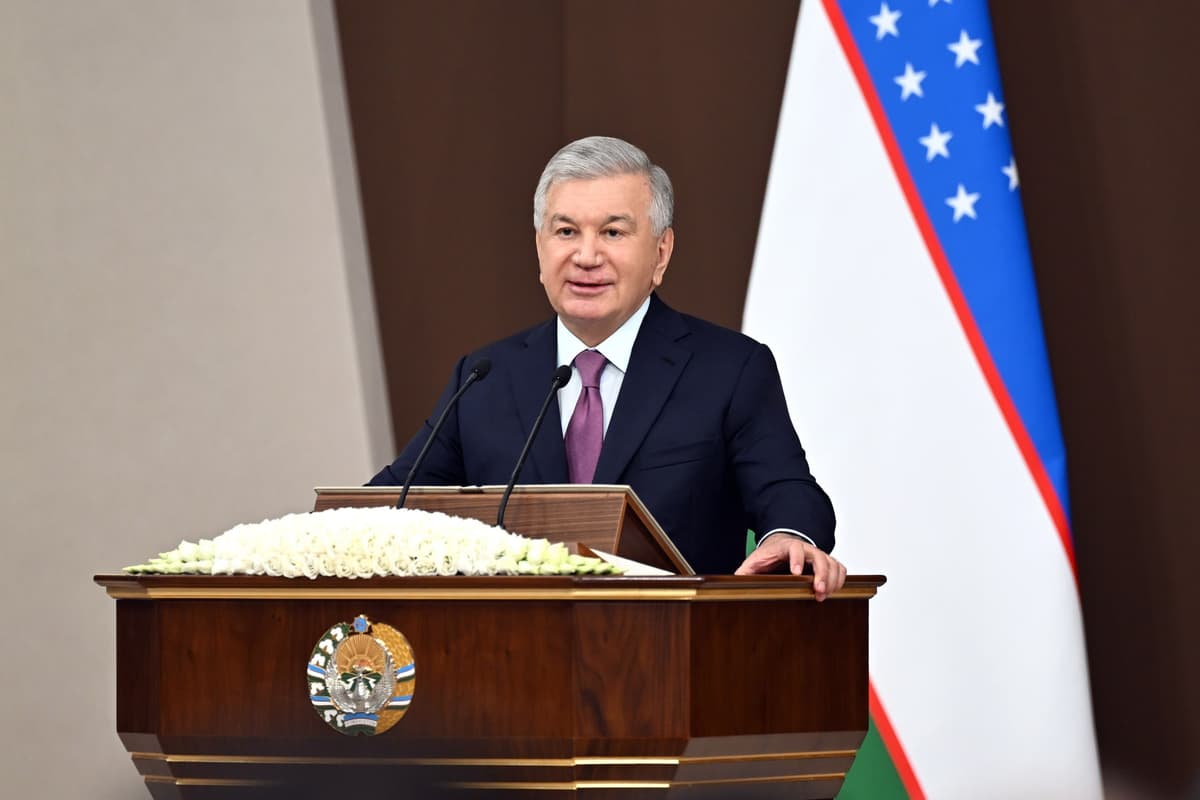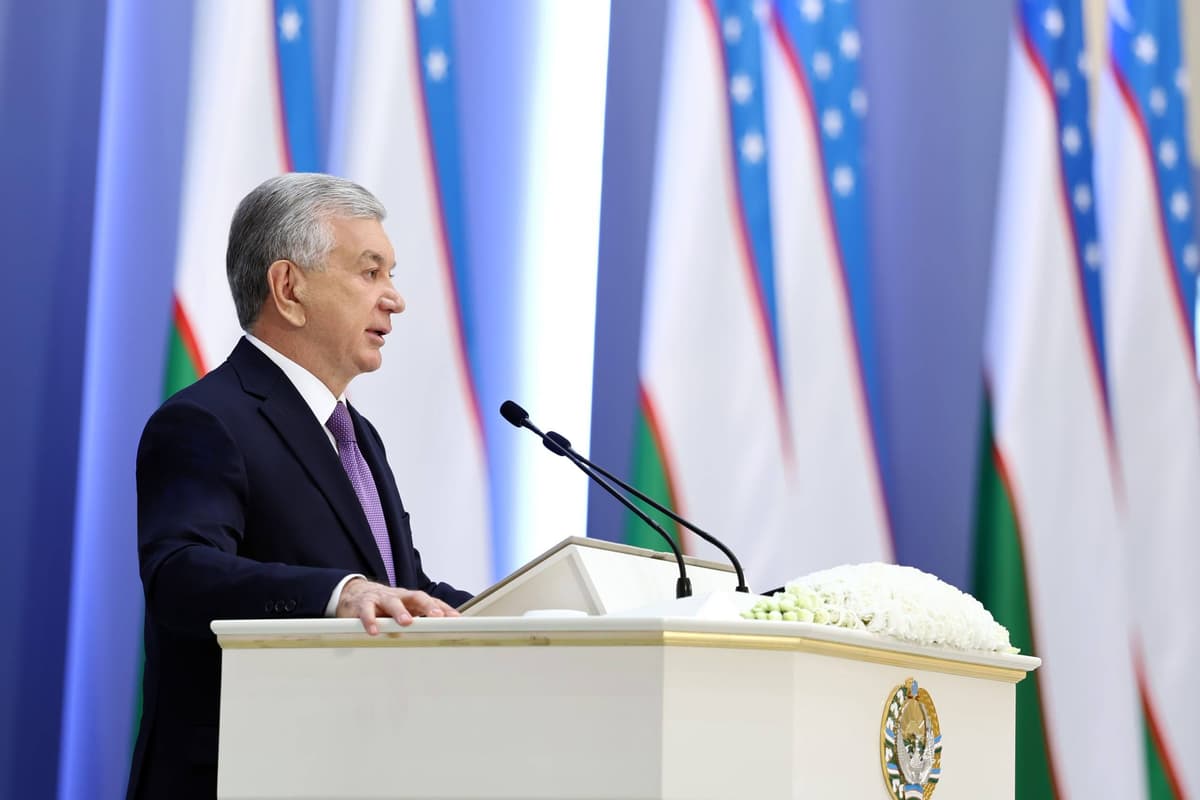
Speaking at a meeting with healthcare and pharmaceutical workers, Mirziyoyev said the country needed better-prepared doctors, arguing that modern hospitals and advanced equipment alone could not improve healthcare without qualified staff.
Uzbekistan’s 11 state medical universities train around 15,000 doctors a year, but some graduates are not ready to treat patients independently from the start of their careers, the president said.
“An inexperienced employee in another field may make mistakes, but a future doctor cannot afford to do so. Every action taken by a healthcare worker has a human life behind it,” he said.
The new system will give students more time to develop practical skills in healthcare facilities before graduating.
Medical residency to be free, with monthly stipends
From 2027, university-based medical residency programs will be tuition-free, and residents will receive monthly stipends of UZS 3 million, Mirziyoyev said.
Training will last between two and five years, depending on the specialty. Family medicine residency will take two years, while surgical training will last five years.
The president also announced additional monthly payments for healthcare workers with advanced qualifications. Nurses and medical assistants with bachelor’s degrees will receive an extra UZS 1.5 million, rising to UZS 2.5 million for those with master’s degrees. Family medicine specialists will be eligible for an additional UZS 5.5 million.
University clinics to conduct 80% of medical research
The government also plans to expand the research role of clinics affiliated with medical universities, with a target of conducting 80% of medical research at these facilities.
The research will focus on improving diagnostic accuracy, treatment outcomes and the prevention of complications.
The measures are intended to bring medical education closer to day-to-day clinical work and give students more practical experience before they enter the profession.