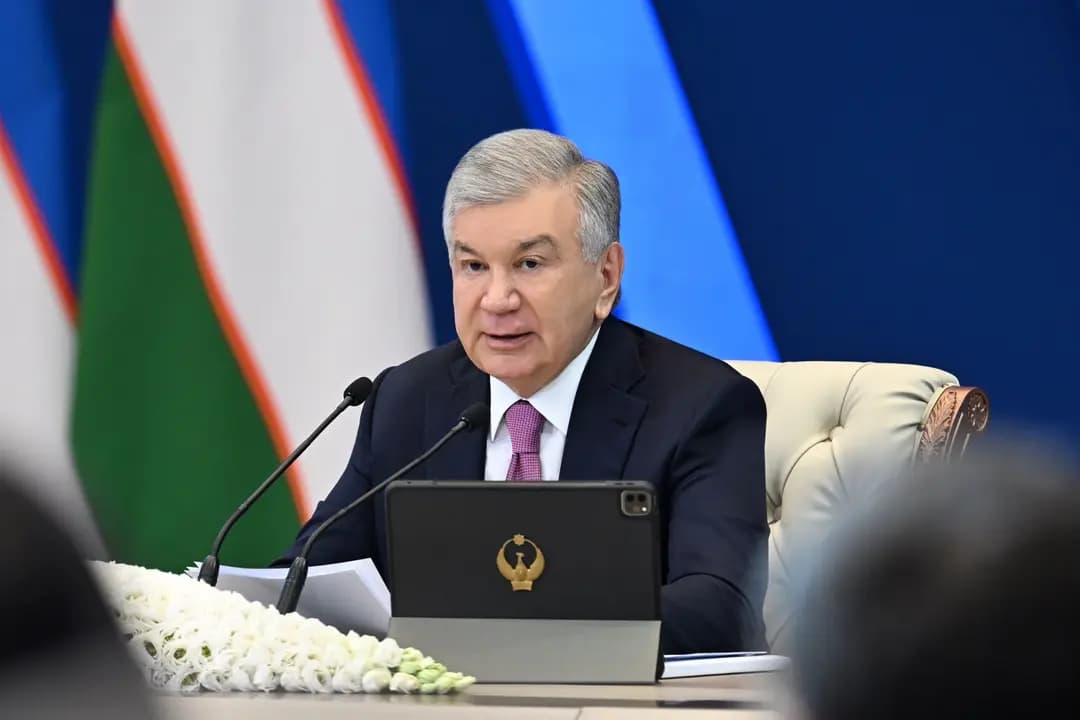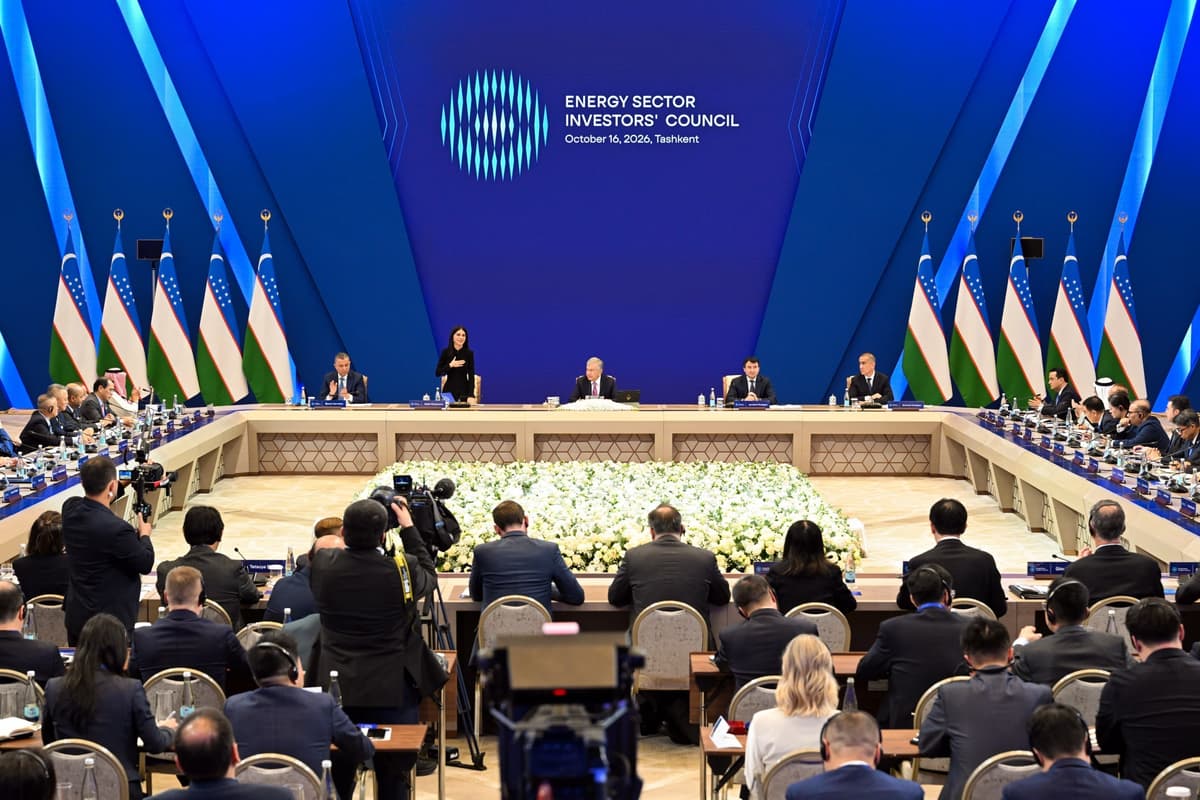
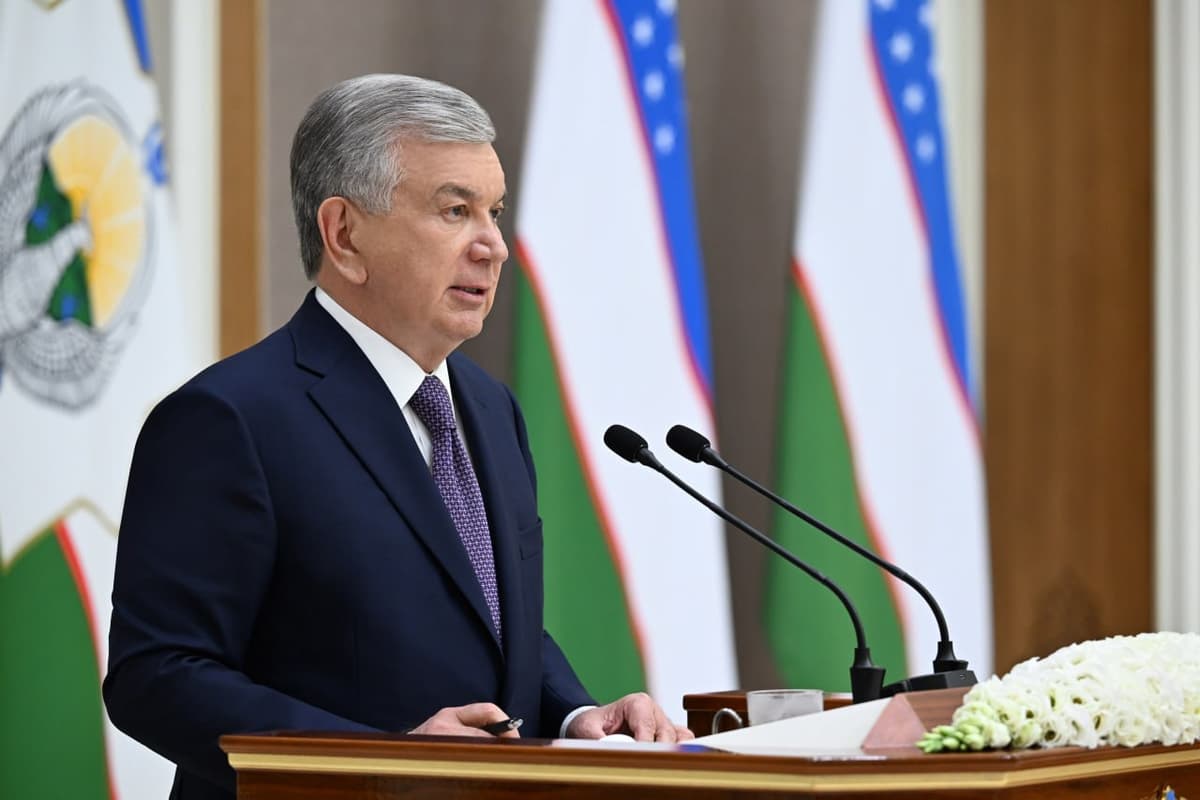
Addressing a government meeting on the fuel and energy sector on July 27, Mirziyoyev said public frustration with the performance of energy officials remains high despite significant state spending and foreign investment.
Over the past decade, Uzbekistan has overhauled the sector by adopting new legislation, opening it to private companies and attracting foreign investors. Mirziyoyev said he had personally held repeated talks with investors and ensured that major projects received the guarantees and support needed for implementation.
According to the president, the country has attracted $23 billion in foreign investment into the energy sector and commissioned 9.5 GW of new generating capacity, enough to fully meet domestic electricity demand.
He added that UZS 30 trillion has been invested in recent years to modernize power and gas networks, substations, transformers and gas distribution infrastructure – six times more than was spent on the sector during the previous 25 years.
"Let's be clear: the problem in the energy sector is not money. We allocate whatever funding is needed. The real problem is the way the system is managed," Mirziyoyev said.
He argued that while much of the country's energy infrastructure is in a comparable condition, some districts experience stable electricity supplies whereas others face repeated disruptions. The difference, he said, comes down to the quality of management, oversight and discipline.
Mirziyoyev criticized the leadership of the Ministry of Energy and its subordinate organizations, saying both the public and the business community are "absolutely dissatisfied" with their performance.
"I repeat: the work of every manager in this system must be reflected in people's daily lives and make it easier for businesses to operate," he said.
The president noted that every summer and winter, dozens of substations fail and hundreds of transformers burn out. Nearly 4,000 power outages were recorded in June and July alone, leaving households and businesses without electricity for as long as eight to ten hours.
He also pointed to rapidly rising electricity demand in the city of Shirin and Yangihayot and Yakkasaray districts of Tashkent, as well as Ohangaron district in Tashkent region, where consumption has more than doubled over the past five years. Officials and local authorities, he said, failed to anticipate the growing strain on existing infrastructure.