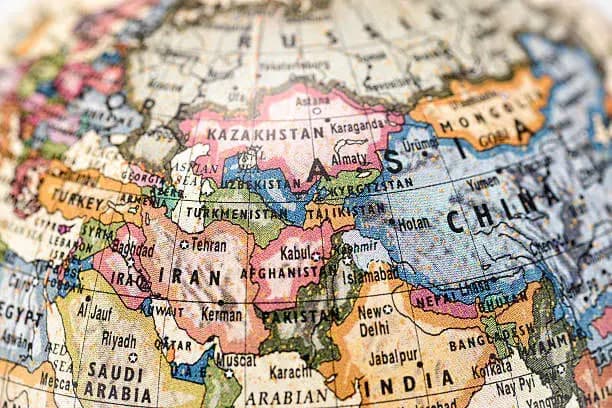
The tourism sector contributed $20.1 billion to Central Asia's economy in 2025, equivalent to 4.3% of the region's GDP. Although tourism's share of GDP declined slightly from 4.5% in 2019, WTTC attributes this to faster growth in other sectors of the regional economy.
Compared with the pre-pandemic level of $15.8 billion in 2019, tourism's economic contribution has increased by 27.1%.
WTTC projects that the sector's contribution will reach $21.7 billion, or 4.7% of regional GDP, in 2026.
Central Asia outpaces all other regions
Central Asia's 17.7% annual growth in tourism's contribution to GDP was the highest among all world regions. By comparison, tourism grew by 8.7% in Northeast Asia and 7.6% in Southeast Asia.
The region also posted strong growth across other key tourism indicators. Spending by international visitors increased by 26.4%, while employment in the tourism sector rose by 9.5%. Investment in tourism infrastructure climbed 12.4%, placing Central Asia among the world's three fastest-growing regions for tourism investment.
The sector currently supports 1.7 million jobs, meaning roughly one in every 17 jobs in the region is linked to tourism. That figure is expected to reach 2.2 million by 2036.
International visitors account for most tourism spending
Tourists spent a combined $15.4 billion across Central Asia in 2025, including $9.9 billion by international visitors and $5.5 billion by domestic travelers.
Leisure travel accounted for 84.5% of total tourism spending, while business travel represented 15.5%. According to WTTC, this spending pattern creates opportunities for further development of eco-tourism, mountain tourism, cultural and historical tourism, and adventure tourism across the region.
Regional travel remains dominant
Tourism flows within Central Asia remain largely regional.
Kazakhstan accounted for 29% of inbound visitors to the region in 2025, followed by Uzbekistan (22%), Russia (20%), Kyrgyzstan (19%), China (2%) and other countries (8%). Together, Kazakhstan, Uzbekistan, Kyrgyzstan and Russia generated 90% of all inbound tourist arrivals.