The National Statistics Committee reported that the metro transported 20 million more passengers in the first nine months of 2026 than in the corresponding period of 2025.
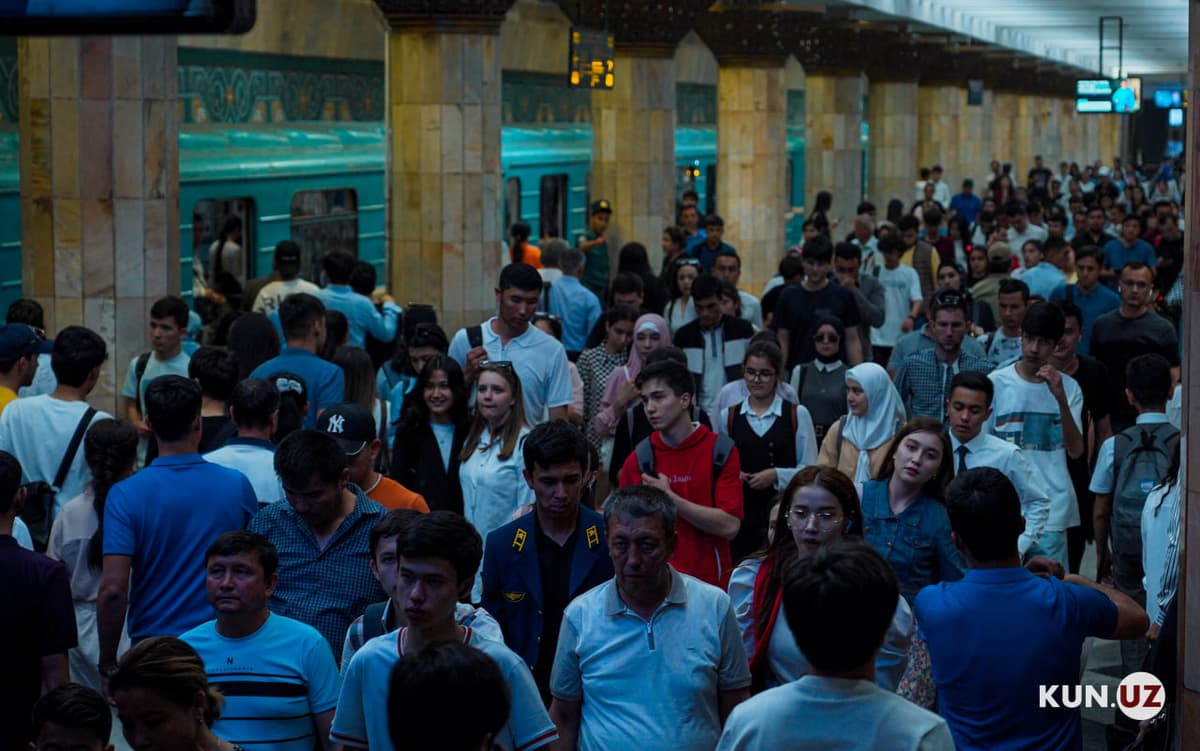
Toshkent Metropoliteni, the company operating the network, said daily ridership had risen from an average of 280,000–300,000 passengers in 2021 to more than 1.2 million in 2026. The company’s statement followed complaints on social media about overcrowding and passenger discomfort.
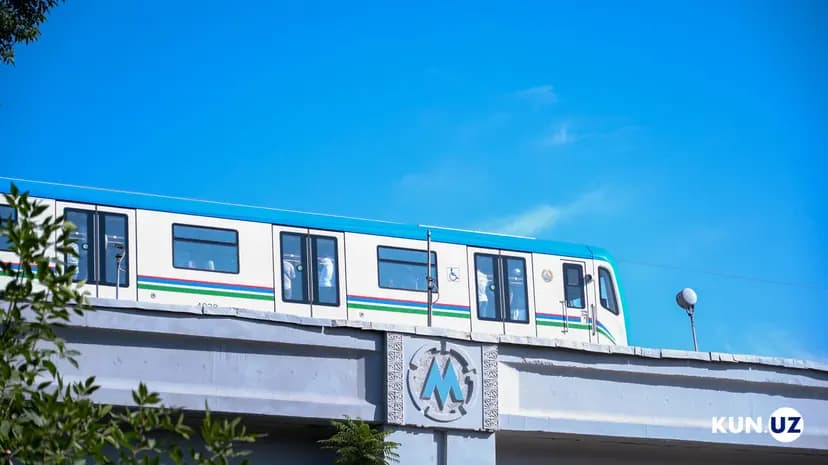
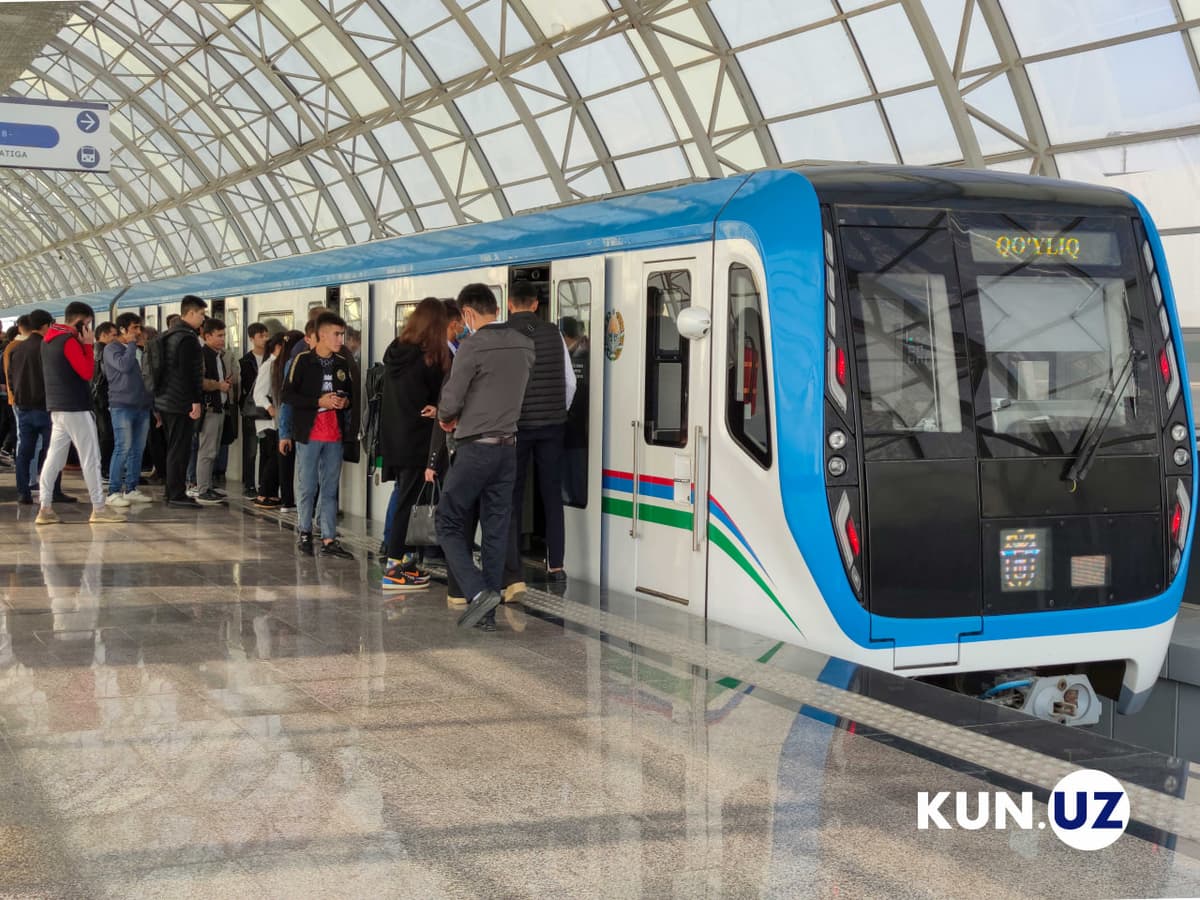
The operator said 14 modern train sets were purchased and put into service in 2026. The new trains are expected to improve passenger service and help gradually reduce the intervals between trains.
The company said it was also working to manage passenger flows more efficiently, maintain operational safety and improve conditions for commuters.
Toshkent Metropoliteni plans to hold a press conference for journalists in the coming days to explain how train services are organized, how passenger flows are managed and what measures are being taken to address overcrowding. The date, time and venue will be announced separately.
Metro network has more than doubled in 25 years
Uzbekistan’s metro network had a total track length of 71.2 km as of January 1, 2026, measured by the combined length of both tracks, according to the National Statistics Committee.
The network measured 29.5 km in 2000, meaning its length increased by 41.7 km, or 2.4 times, over 25 years.
Expansion was limited for much of that period. The network reached 36.1 km in 2001 and remained at that length through 2020. It then expanded to 59.1 km in 2021, remained unchanged in 2022 and grew to 68.2 km in 2023.
The total reached 71.2 km in 2024 and remained at that level through 2025.
The rise in passenger numbers has put increasing pressure on the network, with the operator now focusing on adding capacity and reducing waiting times.