The applications will be part of a broader effort to improve communication between energy supply companies and consumers. Modern online platforms will be introduced to allow users to access information about energy services, while call centers will also be upgraded.
The ministry also plans to create an energy profile for every neighborhood, containing key information about local energy infrastructure and consumers.
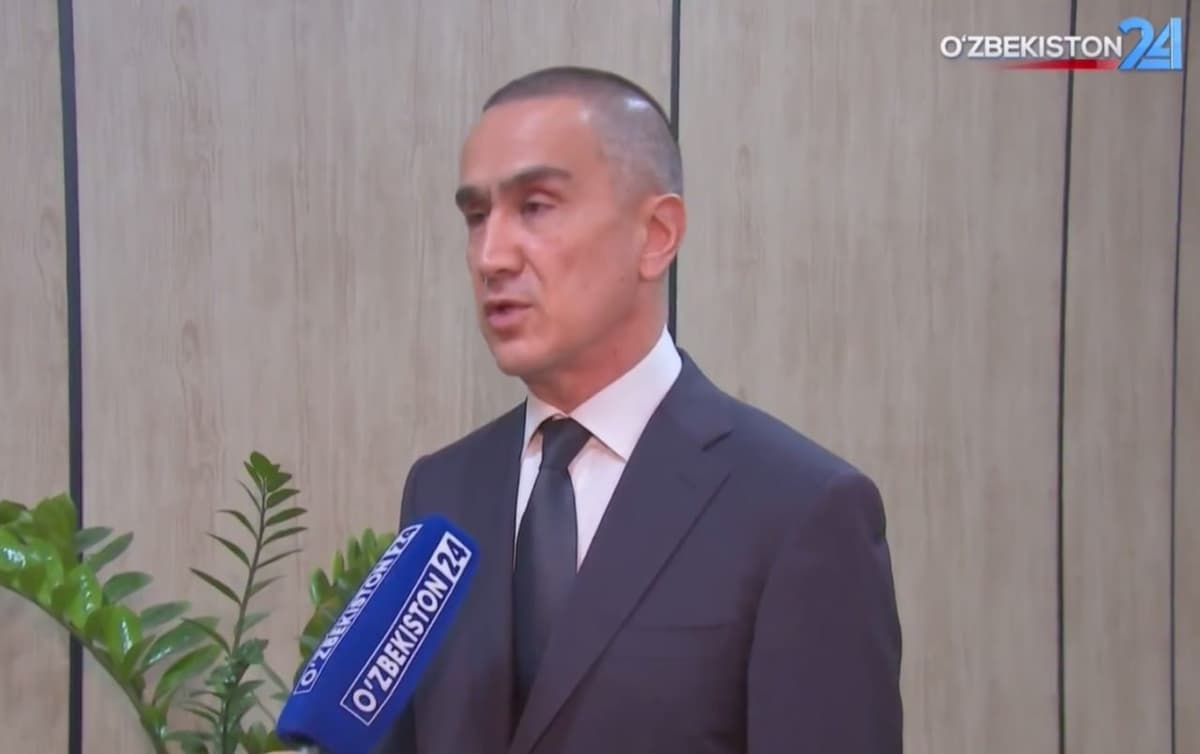
According to Khojaev, each profile will include the number and categories of consumers in the neighborhood, the current condition of electricity and natural gas infrastructure, the time and funding required for repairs and modernization, and the capacity available to connect new consumers to the network.
The planned digital systems will also be used to improve the management of energy supply operations. They will allow employees to receive daily assignments, monitor their implementation, prepare reports and assess potential risks.
The systems will also identify areas experiencing frequent supply disruptions and help forecast situations in which outages could occur, enabling energy companies to take preventive measures.
The government is also seeking to reduce the cost of energy resources by expanding competition and accelerating the introduction of market mechanisms.
Measures will be taken to establish a free market for liquefied petroleum gas. The authorities plan to simplify the process for businesses importing liquefied gas and selling it to households and other businesses, while maintaining strict compliance with safety requirements.