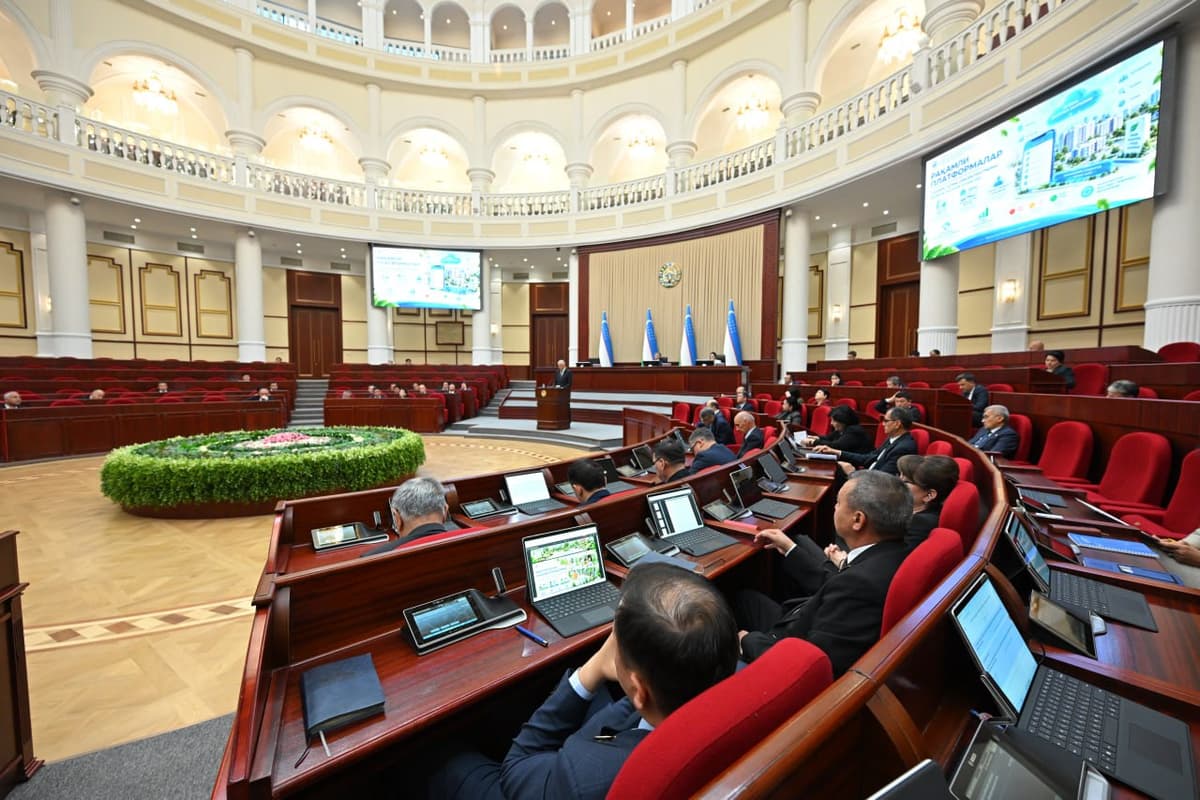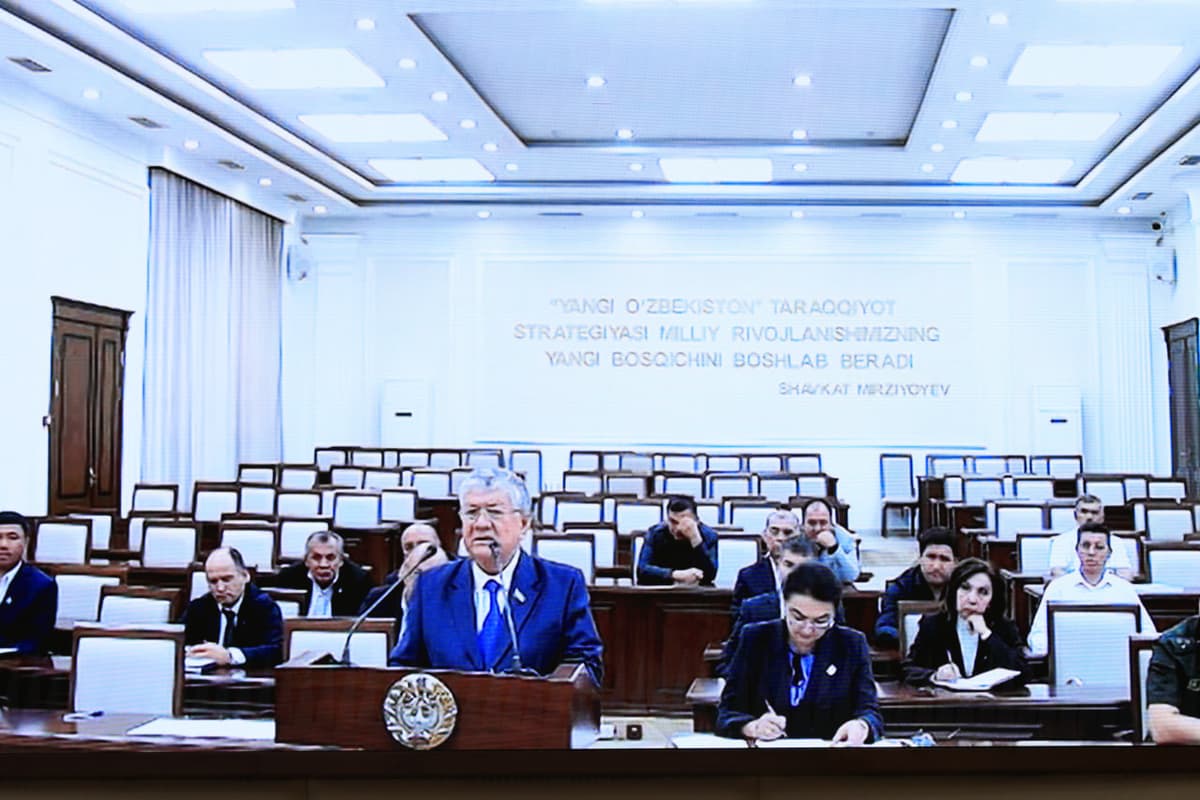
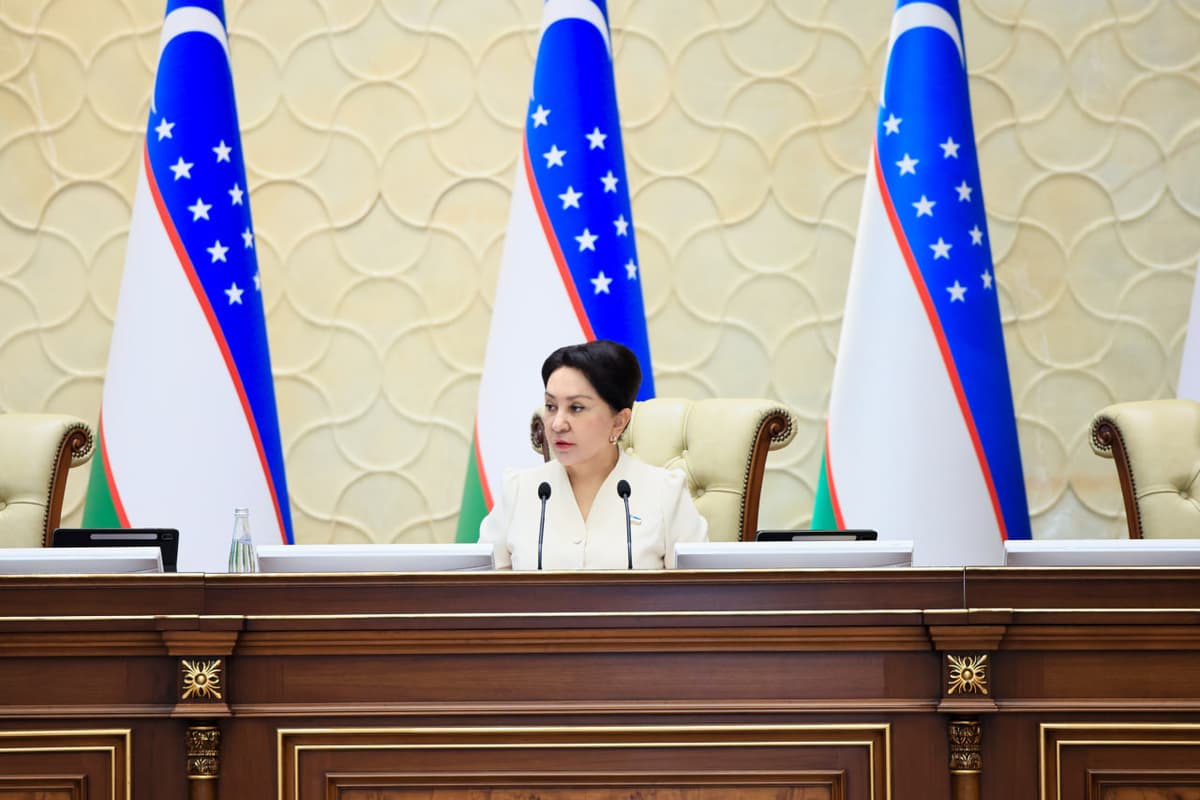
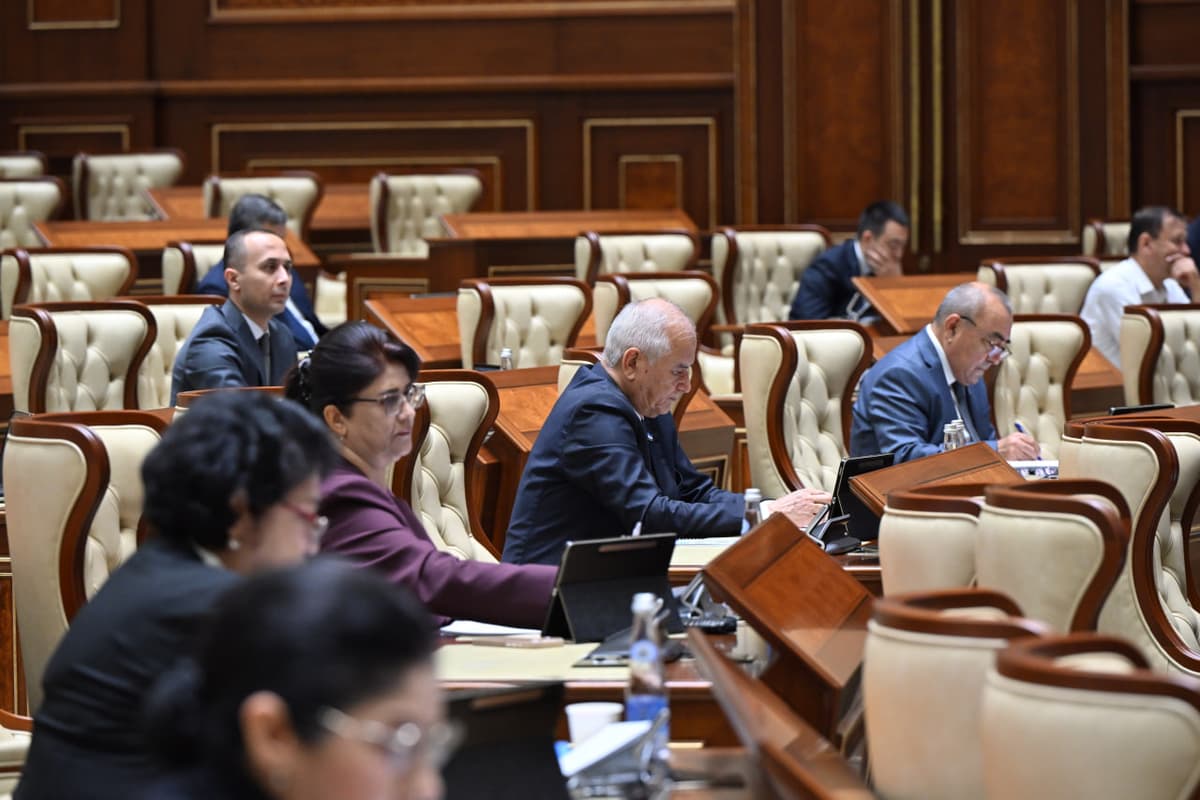
The Senate approved two bills on August 8 aimed at strengthening guarantees for business freedom and improving the country’s business environment, the upper chamber of the Oliy Majlis said.
One of the laws strengthens safeguards for entrepreneurial freedom and expands mechanisms to support businesses. It also introduces requirements for entrepreneurs and their associations to be involved in drafting regulations that impose new obligations, requirements, prohibitions or other restrictions on businesses.
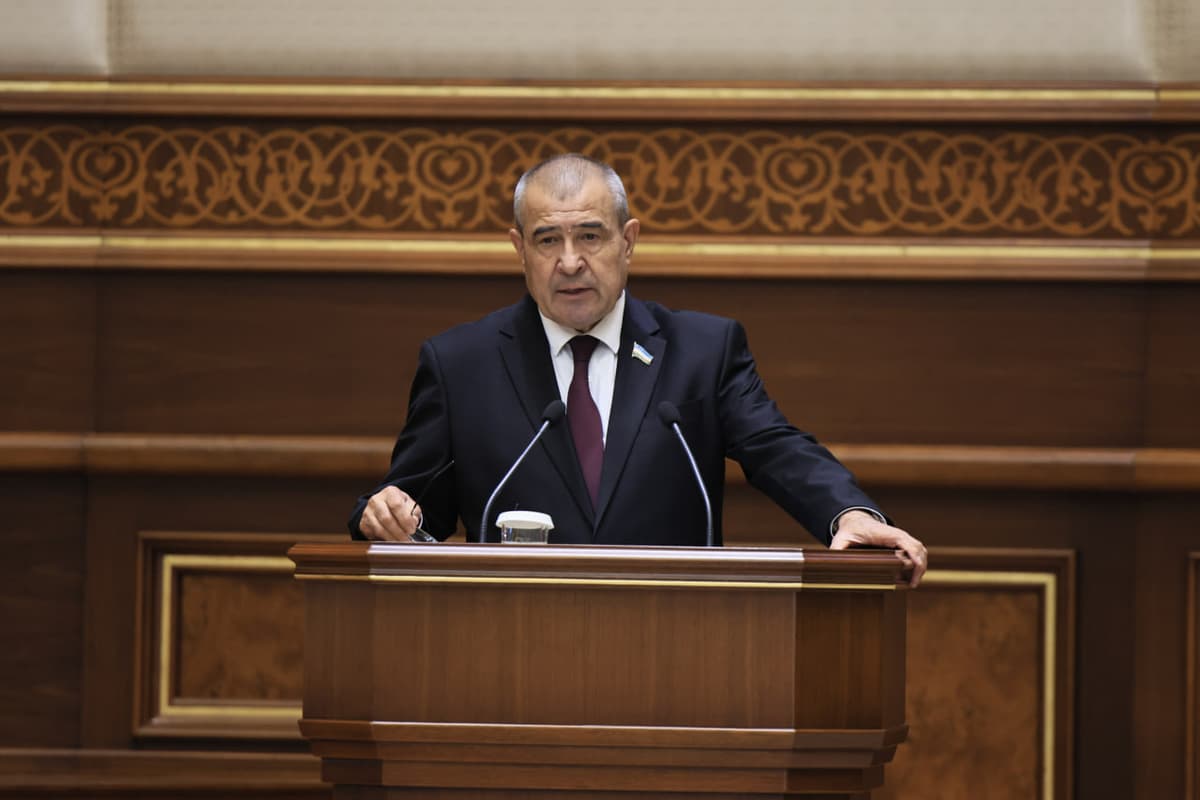
Draft regulations containing new restrictions or obligations for businesses will have to be discussed with entrepreneurs or their representative associations before they are adopted.
The law also improves the legal framework for subsidies supporting green technologies, tourism, education, healthcare and social entrepreneurship. It provides for state grants to finance innovative projects as well as economically and socially significant initiatives.
The second law establishes “business without a license” as a legal mechanism. Under the new system, entrepreneurs will be able to start operating in certain sectors that normally require licenses or permits by notifying the relevant authorized body.
The temporary regime will allow businesses to operate without a license or permit for up to three months. The measure is intended to give companies an opportunity to test their operations and assess their economic viability before completing all licensing requirements.
Businesses will also receive additional time to bring their activities into compliance with licensing and permit requirements. Senators said the changes would make it easier to launch businesses while reducing the time and costs involved.
The Legislative Chamber adopted the bill on strengthening the protection of business rights in its final reading on July 14. The legislation introduces amendments to the law on guarantees of freedom of entrepreneurial activity and other legal acts.