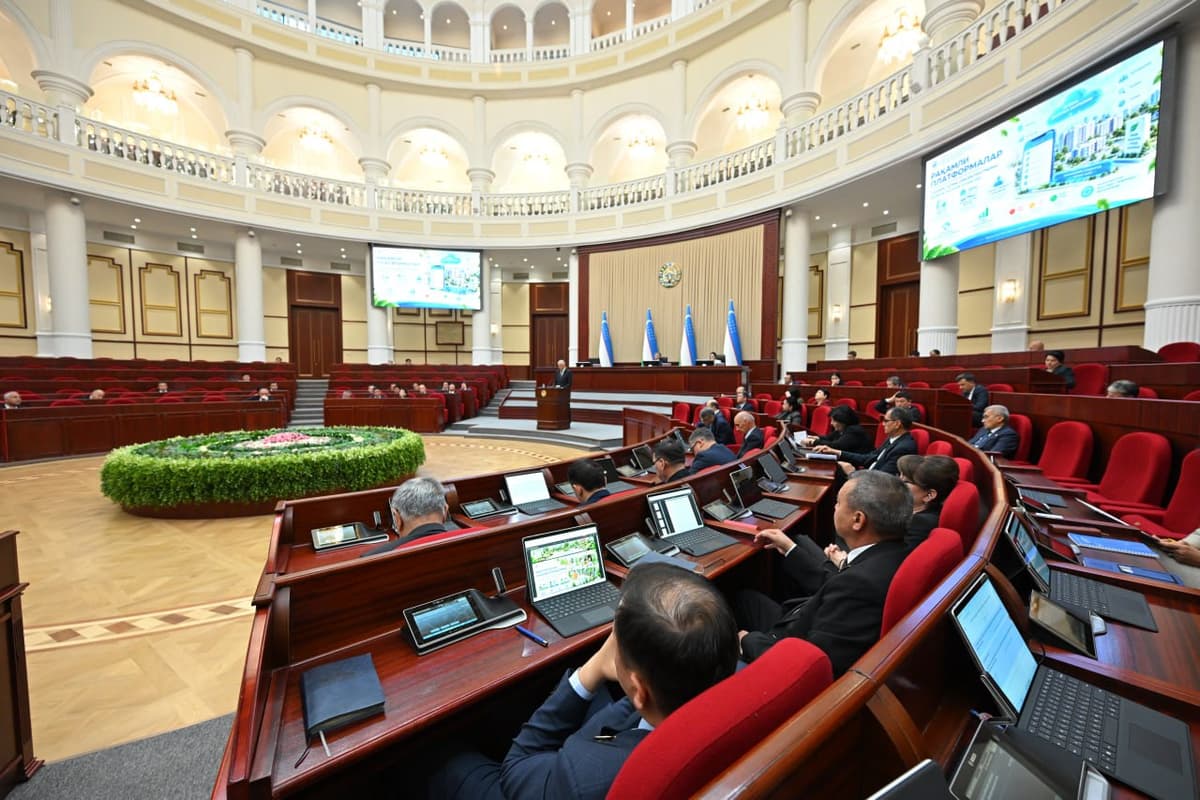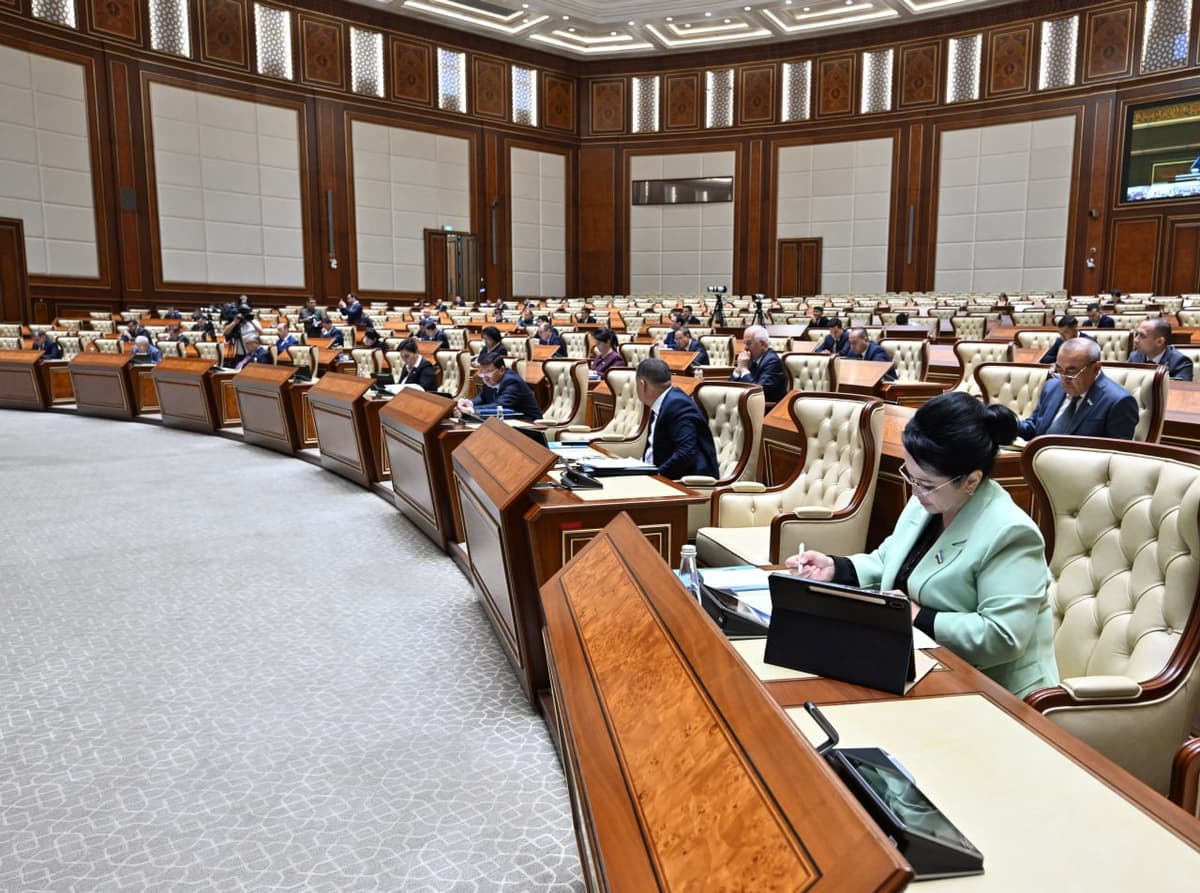
The bill was discussed and approved at the 18th plenary session of the Oliy Majlis Senate. It amends the Criminal Code, the Code of Administrative Responsibility and several other laws.
Under the current rules, certain acts involving the production, possession or distribution of materials with extremist content can result directly in criminal liability. Under the new legislation, first-time offenses involving the production or possession for distribution of materials promoting extremism, separatism or fundamentalism, as well as the production or possession of attributes or symbols of extremist and terrorist organizations for the purpose of distributing or displaying them, would result in administrative liability.
Criminal liability would apply only if the same offense is committed again after an administrative penalty has been imposed.
Senators said the approach is intended to protect the rights of people who have gone astray while creating an opportunity for their rehabilitation and reintegration into society.
The legislation would also allow people involved in the possession or distribution of materials posing a threat to public safety and order to be exempted from criminal liability if they promptly notify the authorities and actively help prevent serious consequences, provided their actions do not constitute another crime.
Penalties for extremist organizations to be differentiated
The bill also revises and differentiates penalties for establishing, leading or participating in extremist, separatist, fundamentalist or other prohibited organizations.
Under current legislation, all of these activities can carry the same punishment of up to 15 years in prison. The proposed system would introduce lighter penalties for participation in such organizations, which is considered a less serious offense, while imposing harsher sanctions for establishing or leading them.
‘Religious extremism’ to be replaced with ‘extremism’