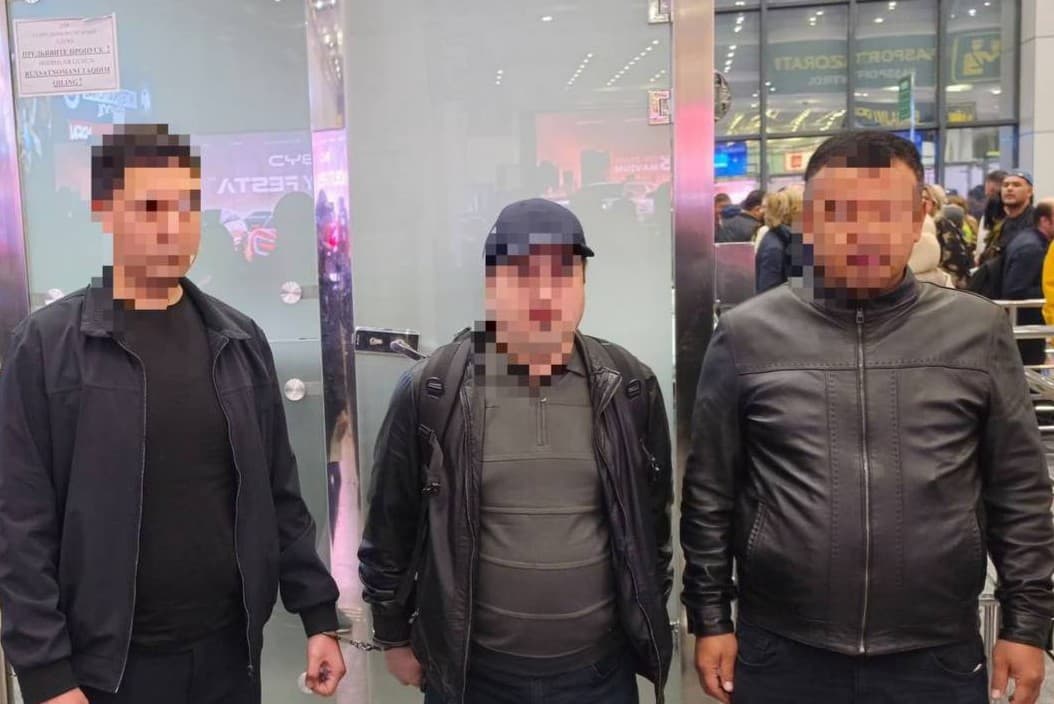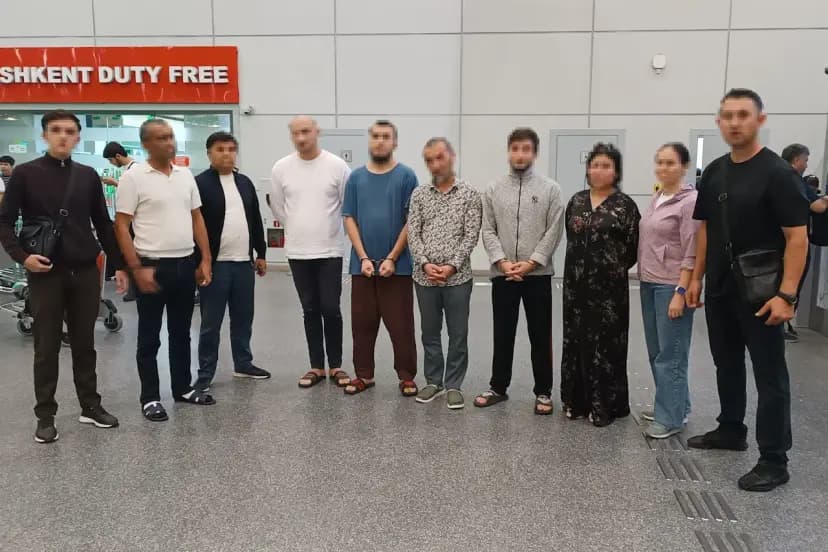
Speaking to the public, Ashropov said the risks associated with cross-border cybercrime were growing alongside the country’s digitalization.
He said measures were being taken to combat cybercrime, introduce anti-fraud mechanisms in the banking and financial system, and strengthen information security. Mechanisms and measures to counter crimes committed using information technology have also been set out under the Uzbekistan–2030 strategy and a presidential decision dated April 30, 2025.
Ashropov said law enforcement alone could not effectively tackle cybercrime, as fraudsters often exploit people’s carelessness and limited digital literacy.
He urged parents, teachers, community activists and other citizens to help relatives and those around them understand basic cybersecurity rules.
People were advised not to open or download suspicious or unknown files sent through social media, particularly APK files. The warning applies even when such files appear to have been sent by a friend or relative.
Ashropov also warned against sharing personal information with callers from unfamiliar numbers who claim to represent government agencies or other organizations. He stressed that officials do not ask citizens for codes or passwords over the phone.
People were also urged to avoid fake online platforms promising to multiply their money several times over in a short period. When shopping online, consumers should verify a seller’s reliability before making any advance payment.
The deputy interior minister separately stressed that bank card PINs and SMS codes received on a phone should never be shared with anyone.
According to official figures, cybercrime accounted for 49.6% of all crimes recorded in Uzbekistan in 2025. The number of such offenses has increased every year since 2021.
The Central Bank, Interior Ministry and Prosecutor General’s Office are currently working together to combat cybercrime, the report said.