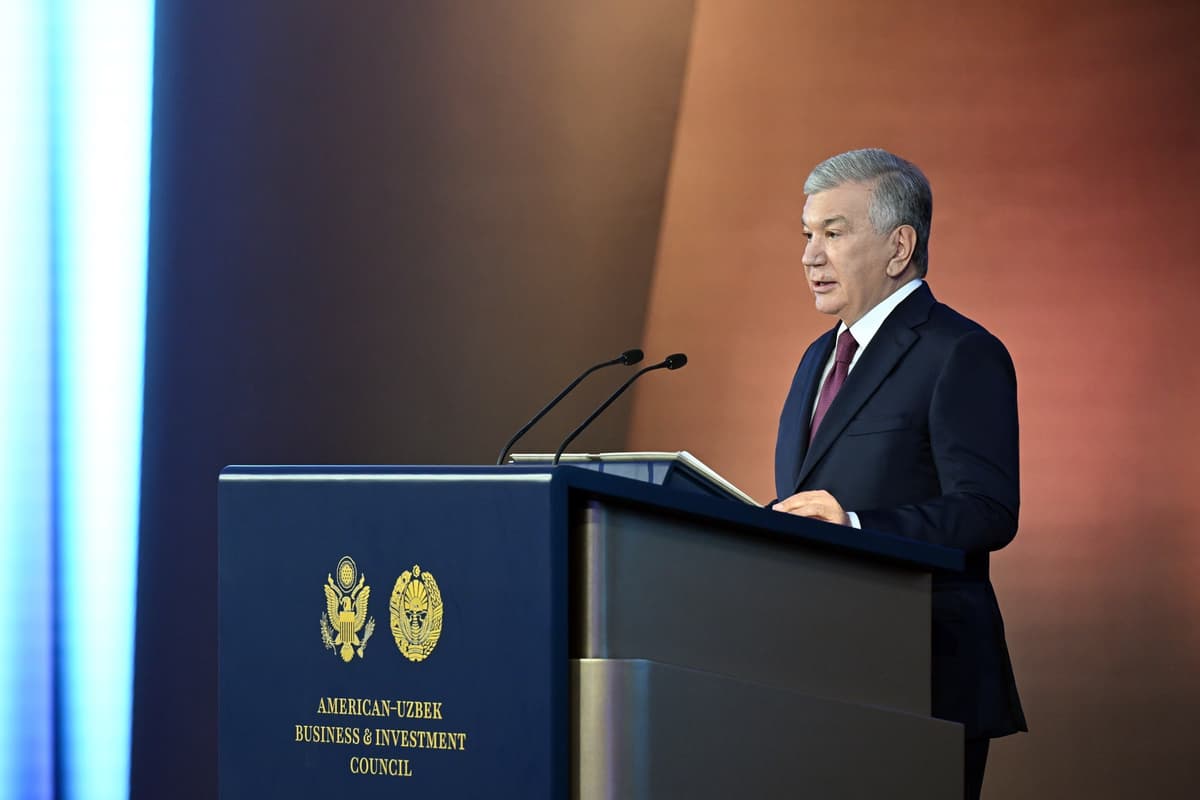
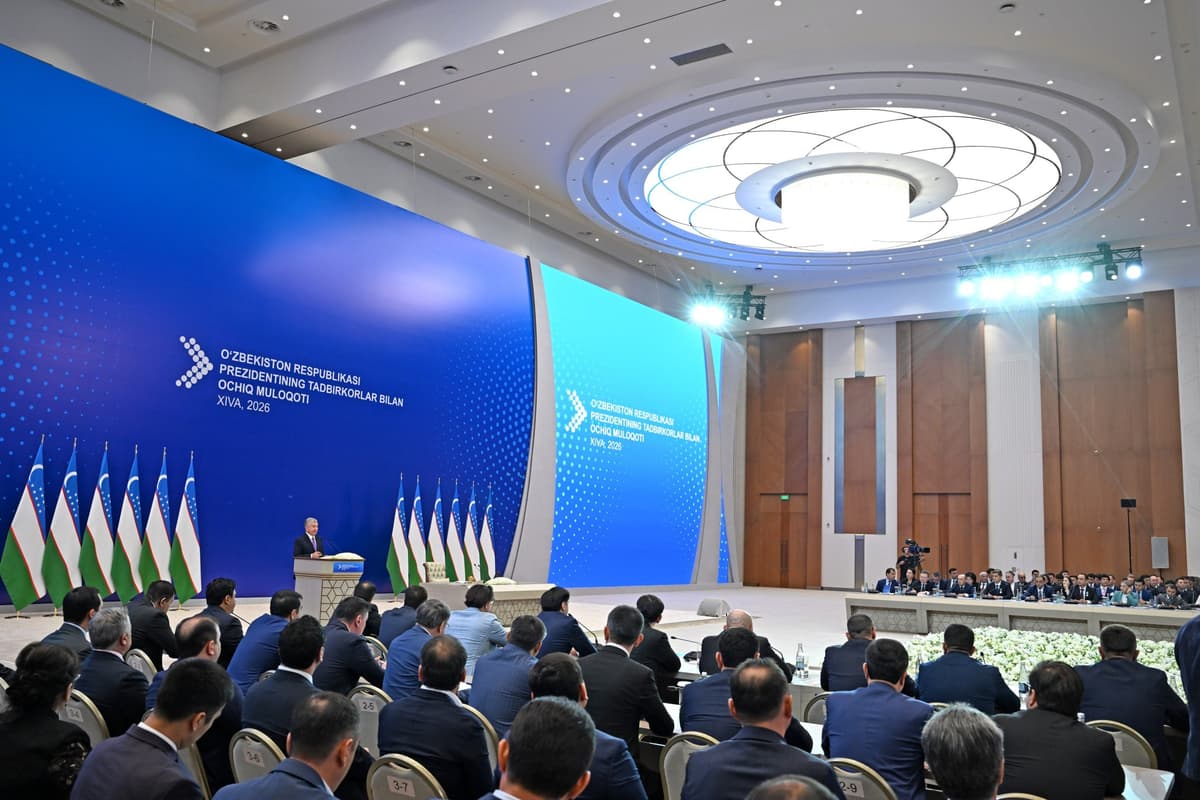
Speaking at a dialogue with entrepreneurs, President Mirziyoyev said Uzbekistan’s economy grew by 8.5% in the first half of the year despite a difficult global economic environment.
Fitch and Moody’s have each upgraded Uzbekistan’s sovereign credit rating by one notch, while the World Bank’s report on the investment and business environment ranked the country 31st.
The president attributed these results in large part to reforms being implemented jointly with the business community.
New opportunities for businesses
Institutional changes have been introduced this year in industrial cooperation, public procurement, standards, food safety and urban development.
Through the National Industrial Chain initiative, private companies have received orders worth UZS 4 trillion from major state-owned enterprises. Strategic companies have also published lists of more than 650 new products targeted for localization, creating an additional market estimated at $1 billion for businesses.
The threshold for mandatory transition to value-added tax has been raised from UZS 1 billion to UZS 5 billion in annual turnover. Cafes and restaurants have received UZS 100 billion in VAT cashback, while the introduction of a zero VAT rate for agricultural products has left an additional UZS 400 billion with farmers.
Foreign trade rules have also been eased. Kazakhstan has lifted restrictions on imports of 11 types of construction materials from Uzbekistan, while a duty-free trade regime has been introduced with Turkmenistan.
Preferential trade agreements covering hundreds of products have also been concluded with Jordan, Pakistan, Iran and Afghanistan.
Major projects under way
Mirziyoyev highlighted several major infrastructure and industrial projects expected to provide an additional boost to economic growth.
They include a nuclear power plant in Jizzakh, a fourth copper-processing plant in Almalyk, and modern highways connecting Tashkent with Samarkand and Andijan.
An environmentally friendly aviation fuel complex is being built in Khorezm, while a 940-hectare modern greenhouse complex is under development in Surkhandarya. Construction of the new Tashkent airport is also under way in Yuqori Chirchiq district.