Tashkent also invited SCO member states to take part in a forum on artificial intelligence and new digital solutions planned for 2027, and proposed establishing a multilingual SCO data corpus and a coordination mechanism for food, water and energy security.
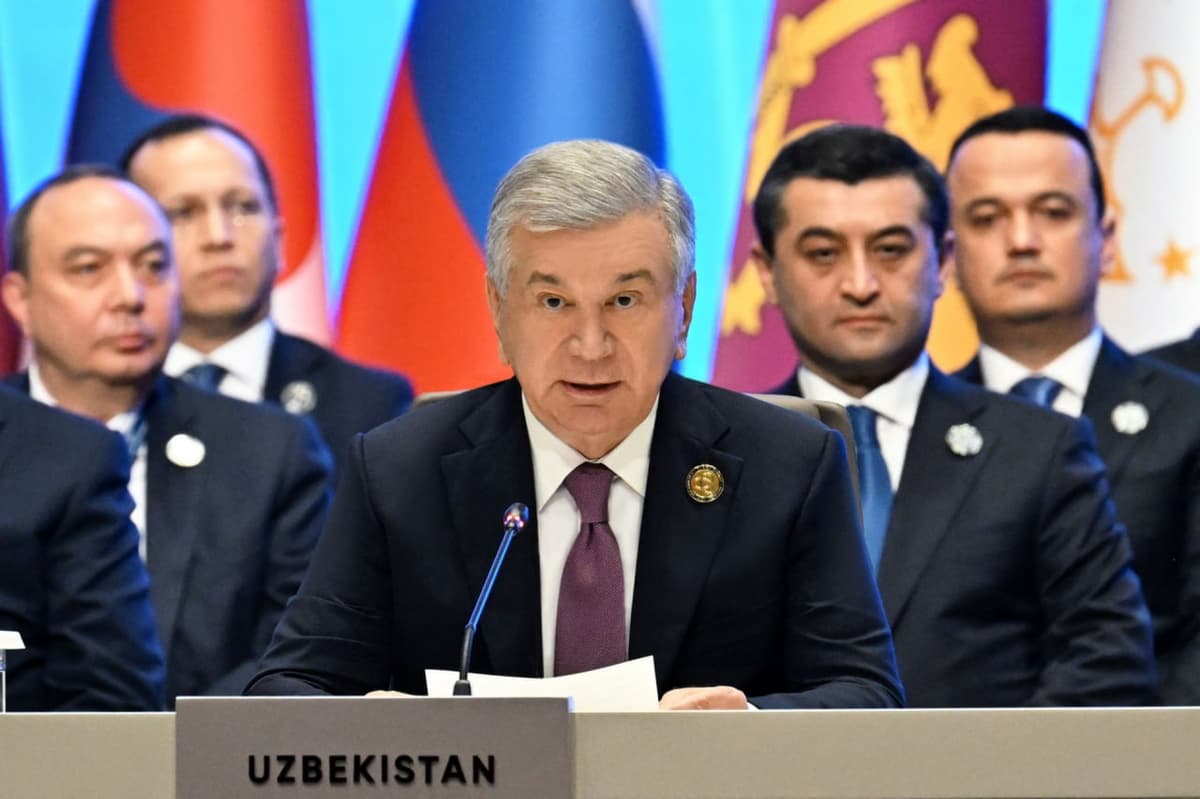
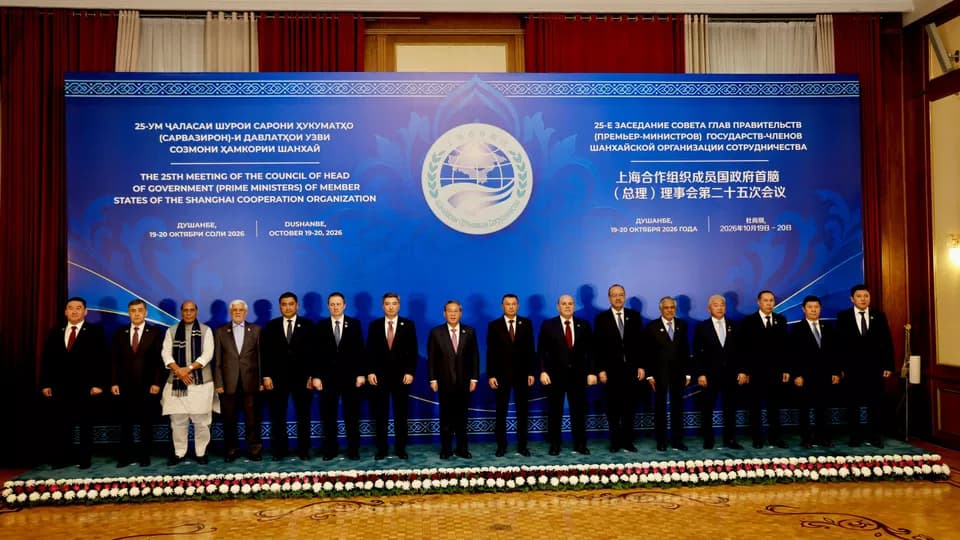
The meeting in the Tajik capital brought together heads of government and representatives of SCO member states, as well as Mongolia and Turkmenistan. Talks were held in both restricted and expanded formats.
SCO-2040 and industrial cooperation
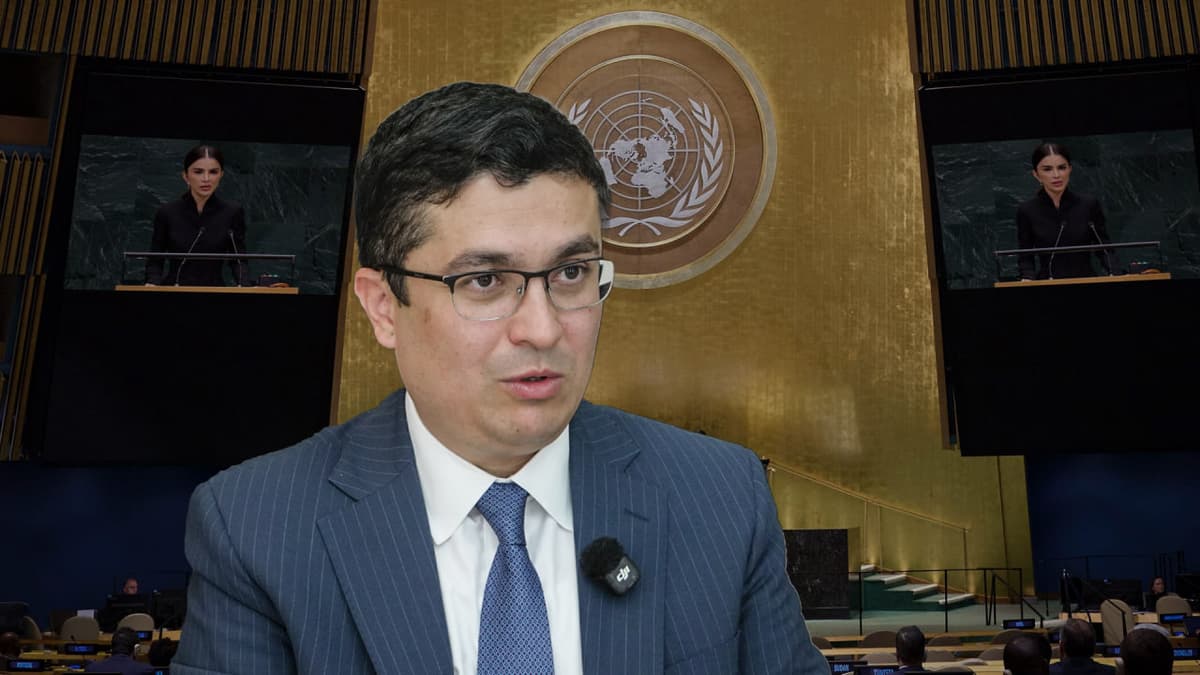
Aripov said the SCO had expanded its membership and strengthened its role as a platform for multilateral cooperation over its 25 years of existence. He stressed that further progress would require closer practical engagement and the implementation of joint projects.
The proposed SCO-2040 strategy would aim to create an interconnected, open and sustainable space for shared development, making fuller use of the member states’ human, natural, industrial and intellectual resources.
Uzbekistan also called for a map of industrial cooperation across SCO countries to help build cross-border production chains and increase added value. Aripov urged member states to accelerate agreement on the founding documents of the SCO Development Bank and move towards launching its operations. The proposed bank is expected to help finance priority projects in transport, energy, industry and digital infrastructure.
Tashkent further proposed turning the SCO-Invest business forum, held as part of the Tashkent International Investment Forum, into a permanent platform. Uzbekistan said it was ready to host the next forum in 2027.
Technology, innovation and regional security
Uzbekistan called for stronger cooperation in science, technology and innovation, including joint research, technology exchange and the development of artificial intelligence. Aripov invited SCO participants to attend the planned 2027 forum on AI and new digital solutions in Tashkent.
Another proposal calls for a technology cooperation programme on water and energy efficiency to be launched by 2035.
Tashkent also proposed a coordination mechanism within the SCO to address food, water and energy security, alongside the development of an open, multilingual data corpus for the organization.