The projects cover water management, environmental protection and socioeconomic development, according to materials presented to the president.
They include the modernization and reconstruction of water infrastructure, as well as the introduction of automated systems for water distribution, accounting and monitoring.
Uzbekistan also plans to establish a regional digital platform to track hydrometeorological indicators, forecast floods and droughts, and provide early warnings. Another priority is expanding public access to drinking water and sanitation services.
The initiatives are expected to receive financial support from the World Bank, Asian Development Bank, European Bank for Reconstruction and Development, Green Climate Fund, Global Environment Facility and other international organizations.
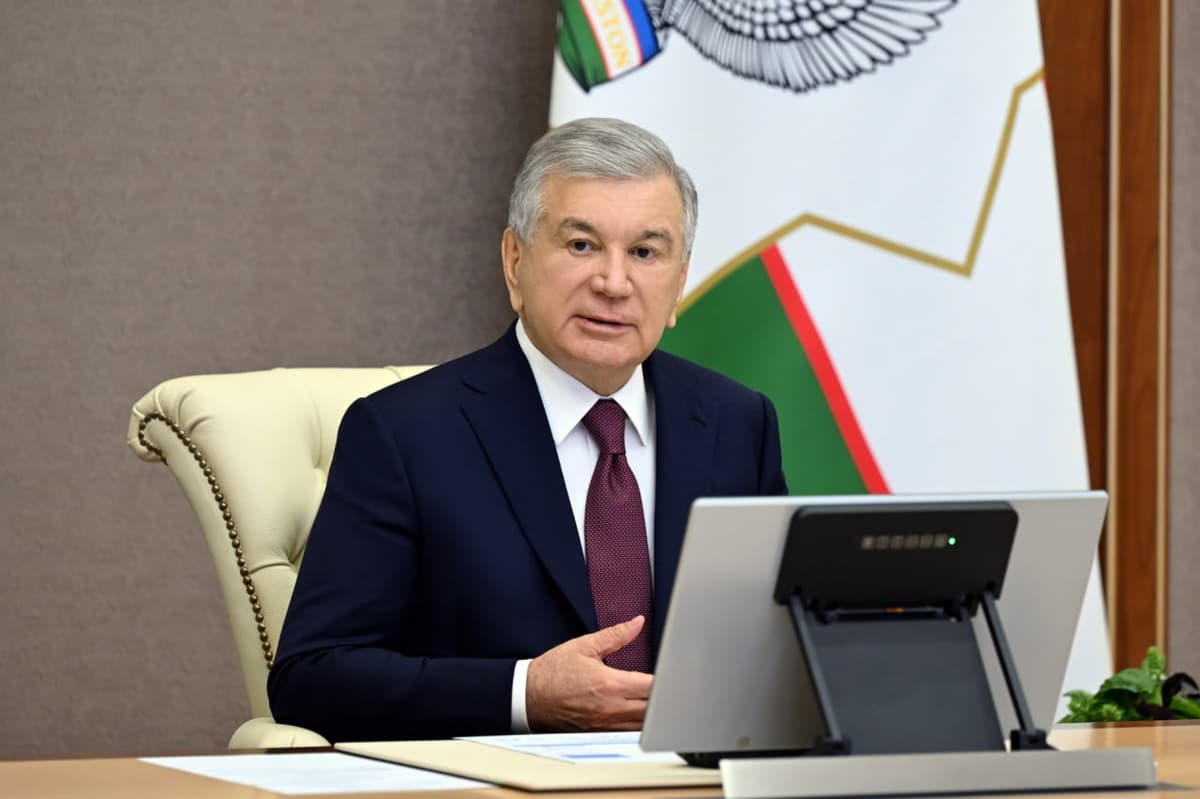
President Mirziyoyev instructed officials to prepare a month-by-month roadmap for next year's activities and ensure its implementation. He also called for foreign and domestic experts, professors and researchers – including Uzbek nationals working abroad – to be involved in the projects.
Reforming the Aral Sea fund
Among Uzbekistan's priorities for its chairmanship are overhauling IFAS's institutional structure and legal framework, clarifying the responsibilities of its governing bodies, and expanding cooperation with Afghanistan.
The country also intends to align the fund's agenda with decisions made at the Consultative Meetings of Central Asian Leaders.
Scientific and analytical support for the initiatives will be provided by the National Research University Tashkent Institute of Irrigation and Agricultural Mechanization Engineers.
The university is expected to undergo institutional changes, including wider use of artificial intelligence in education and research and an expanded research focus on environmental restoration and water conservation.
Plans also include creating a unified database covering the Amu Darya and Syr Darya river basins and working with researchers from across the region to develop projects aimed at combating desertification. The university is also expected to help attract investment and grants for these initiatives.