Arman Akhunbayev, head of the EDB’s Center for Sectoral Analysis, said rising consumption was being driven by industrial development, the construction of new businesses, urban expansion and the digitalization of the economy.
“By 2030, electricity demand in the region will increase by 27%, or more than a quarter. To prevent energy shortages from becoming a constraint on economic growth, capacity and power grids must be prepared in advance for new factories and expanding cities,” Akhunbayev said.
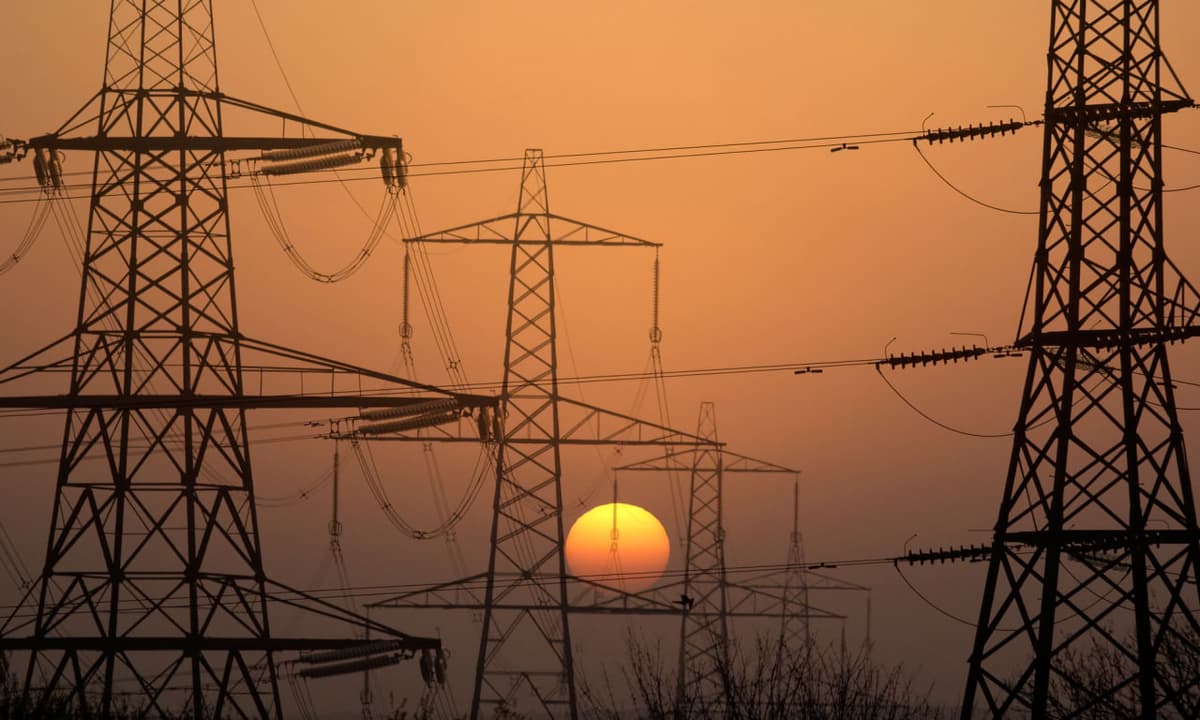
The bank cautioned that building new power plants alone would not be enough to meet future demand. Countries will also need to modernize transmission networks, develop energy storage systems and create reserve generation capacity.
The expansion of renewable energy could put additional pressure on power systems, making grid upgrades and coordination between countries increasingly important.
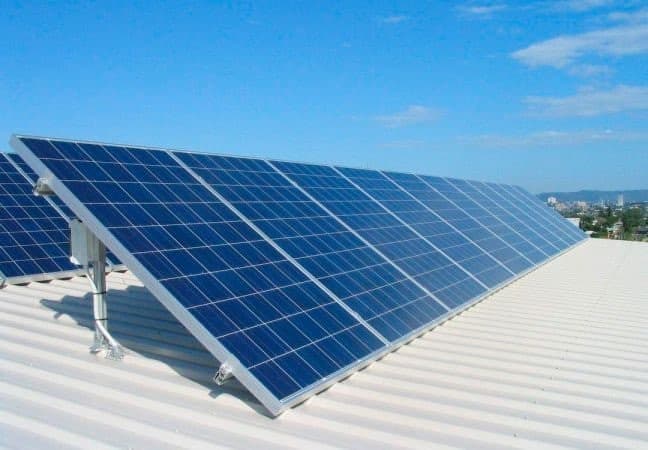
Central Asian countries plan to commission solar and wind power plants with a combined capacity of more than 35 gigawatts by 2035. Experts warn that without modernized electricity networks and better coordination between national power systems, rising consumption could increase the risk of shortages.