





Additional features
-
Night mode

President Mirziyoyev outlines major reforms in IP development, archival modernization and legal training
While reviewing proposals on reforms in the fields of intellectual property, archiving and legal education, President Shavkat Mirziyoyev set specific tasks to develop a national strategy for intellectual property, digitize archives on a large scale by 2030 and introduce modern information technologies across these sectors.
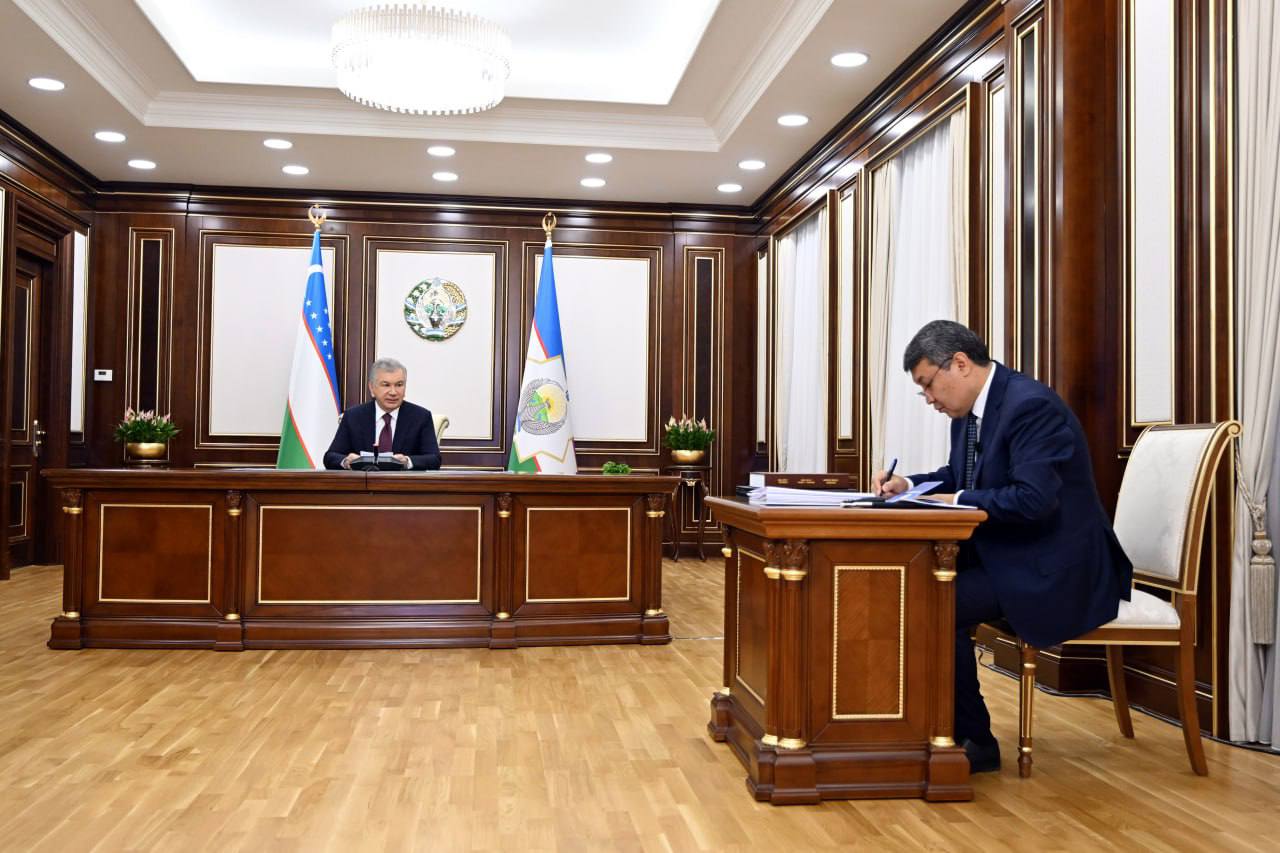
Photo: Presidential Press Service
On 21 November, President Shavkat Mirziyoyev reviewed proposals aimed at reforming intellectual property, archival work and legal education.
The presentation outlined plans to further develop the intellectual property sector. In particular, Uzbekistan intends to work with the World Intellectual Property Organization to draft a national strategy for the development of intellectual property.
Under the plan, the procedures for amending patents and certificates will be simplified, and five composite and four proactive services will be introduced.
In addition, the level of intellectual property usage will be factored into the business sustainability rating of entrepreneurship entities.
It is also planned to establish centers supporting patenting, industrial application and commercialization across all higher education and research institutions. The University of Uzbekistan will be the first to launch a program on the management of intellectual property objects, followed by four additional universities.
To encourage creators and specialists, it was proposed to hold an annual contest for the “Best intellectual property objects” in five nominations. A special badge, “For contribution to the development of intellectual property”, will be established and awarded each year on 26 April, the World Intellectual Property Day.
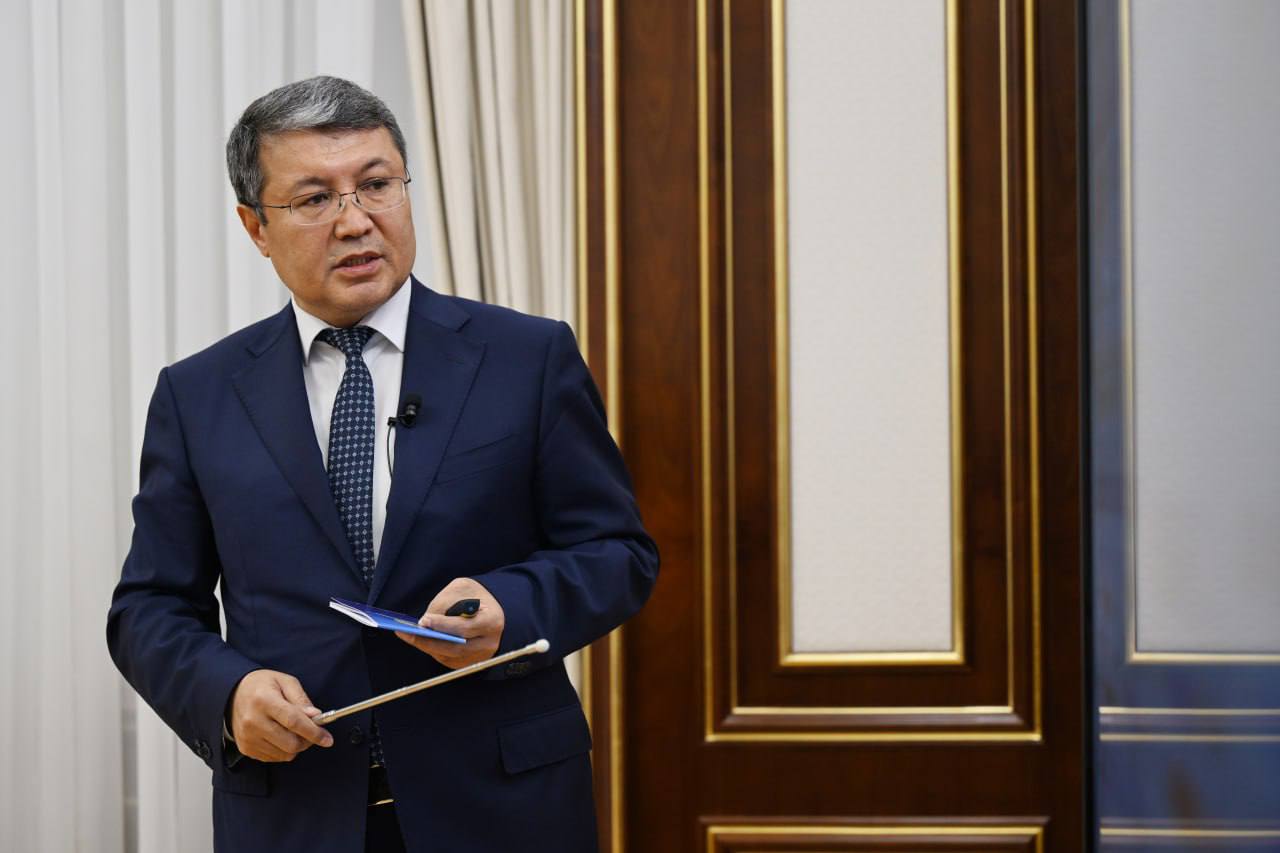
The importance of strengthening the national system of geographical indications was noted. Uzbekistan aims to register nearly 70 geographical indications and enhance the value and export potential of national products through accession to the Lisbon System.
During the discussion on modernizing archival work, it was reported that Uzbekistan’s archives currently hold 16 million document files, including 1.3 million particularly valuable and unique documents. Documents from the Bukhara Emirate’s Kushbegi chancery and the Khiva Khanate’s chancellery have been included in UNESCO’s Memory of the World Register.
At the same time, the current pace of digitization covers only 2 percent of documents per year. It was stressed that the level of digitization must reach 60 percent by 2030, and all especially valuable and unique documents must be fully digitized.
To achieve this, information systems in the sector will be integrated into a Unified National Archival Information System. Document registration and tracking will adopt radio-frequency identification (RFID) technology, and artificial intelligence will be introduced for document classification and recognition. The functions of district and city archives will be transferred to regional archival administrations.
A proposal was made to launch the “Shajara” information system. The new service will allow users to build their family trees and access data on births, marriages and deaths, as well as search for distant relatives based on genetic information.
Reform plans for legal education and science were also reviewed.
Tashkent State University of Law will introduce clinical and dual education. Practical training will be increased to 50 percent of students’ coursework, and legal clinics will be established in civil, criminal and business law. New academic programs, including Digital Law and Corporate Law and Governance, will be launched in line with modern legal requirements.
Additionally, proposals were made to update the organizational structure of faculties based on the “education – research – practice” model and to gradually transform departments into sub-departments. Establishing a university faculty council was also recommended.
The presentation placed particular emphasis on eliminating gaps in legislation and reducing the regulatory burden.
As part of this effort, nearly 800 outdated regulatory documents will be abolished and 77 revised. More than 15 excessive requirements for entrepreneurs will be removed to improve business conditions. The effectiveness of legislation will be assessed to eliminate conflicting norms and legal gaps.
The president stressed the importance of systematically implementing the proposed reforms and further enhancing efficiency and convenience for citizens and businesses in the areas under discussion.
Related News

18:46 / 03.12.2025
Uzbekistan to introduce ethical rules for the development and use of AI
14:30 / 02.12.2025
Uzbekistan to roll out new platform for managing consent to personal data processing
17:25 / 29.11.2025
Uzbekistan sets ambitious plan to train five million AI specialists by 2030

13:18 / 15.11.2025