





Additional features
-
Night mode

Uzbekistan’s rail imports outpace exports by 2.5 times in latest trade data
Uzbekistan’s railway sector saw a significant imbalance between incoming and outgoing goods last year, with import volumes outpacing exports by 2.5 times. According to the press service of Uztemiryulkonteyner, the total volume of export-import container transport reached 355,752 TEU.
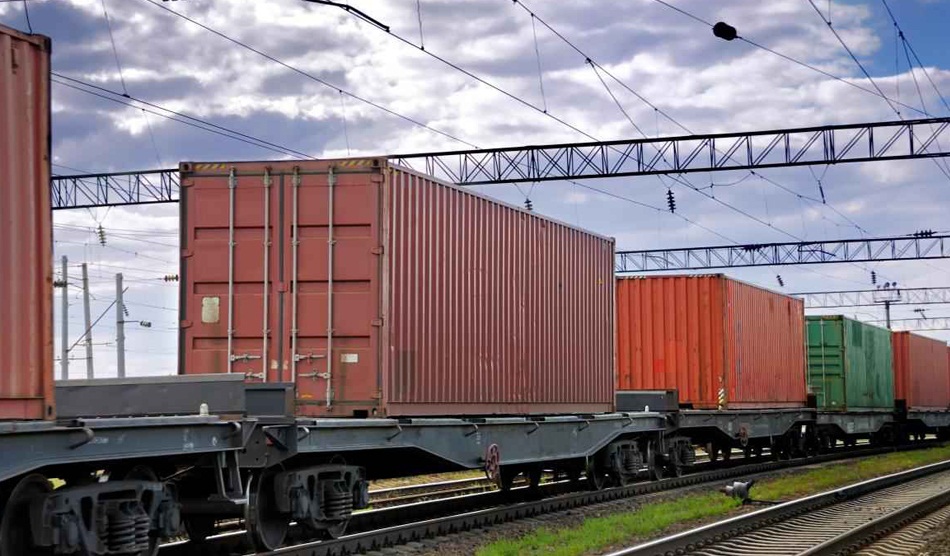
Фото: Shutterstock
Data provided by the subsidiary of Uzbekistan Railways indicates a 21% increase in overall performance compared to 2024. This growth was primarily fueled by a sharp rise in goods entering the country.
The volume of imported goods arriving via rail containers reached 256,115 TEU, marking a 30% increase year-on-year. In contrast, export shipments from Uzbekistan grew by a modest 3.5%, totaling 99,637 TEU.
Logistics experts attribute the rise in imports largely to increased transit through Kazakhstan’s Altynkol and Dostyk stations, as well as Magnitogorsk in Russia. Magnitogorsk also played a pivotal role in the country’s export growth.
While these corridors saw higher activity, the company noted a decline in shipments through Russian Far East ports, specifically Nakhodka and Vladivostok. To compensate, new multimodal routes have been prioritized:
- Europe: Uztemiryulkonteyner and its partners launched container services to European countries via the Georgian port of Poti.
- South Asia: A new route was organized from India through the Iranian port of Bandar Abbas to facilitate imports into Kazakhstan and Uzbekistan.
Despite the rise in container figures, President Shavkat Mirziyoyev expressed dissatisfaction with the railway sector's overall contribution during a meeting in February. He noted that in 2025, the total tonnage of cargo transported by rail grew by only 3.3%, accounting for less than 7% of Uzbekistan's total freight volume.
The president highlighted a significant efficiency gap, pointing out that exporting goods by rail takes 3-4 times longer than by truck. For the current year, the government has set a target to increase both freight and passenger traffic by at least 10%.
To achieve these goals, Uzbekistan Railways has been instructed to slash operational and non-core expenses. The saved funds are expected to be reinvested into upgrading service quality and infrastructure to make rail a more competitive alternative to road transport.

Related News
21:15 / 01.04.2026
Middle East tensions may push up food prices in Uzbekistan, Central Bank official says

16:34 / 01.04.2026
Ministry of Transport develops new compensation rules for domestic train delays
09:31 / 01.04.2026
Uzbekistan may compensate air freight expenses to offset logistics disruptions
15:47 / 31.03.2026