





Additional features
-
Night mode

Central Bank: Policy adjustment aims for realistic USD expectations
The Central Bank has increased the flexibility of the exchange rate, the regulator’s chairman, Timur Ishmetov, said at a press conference on September 11.
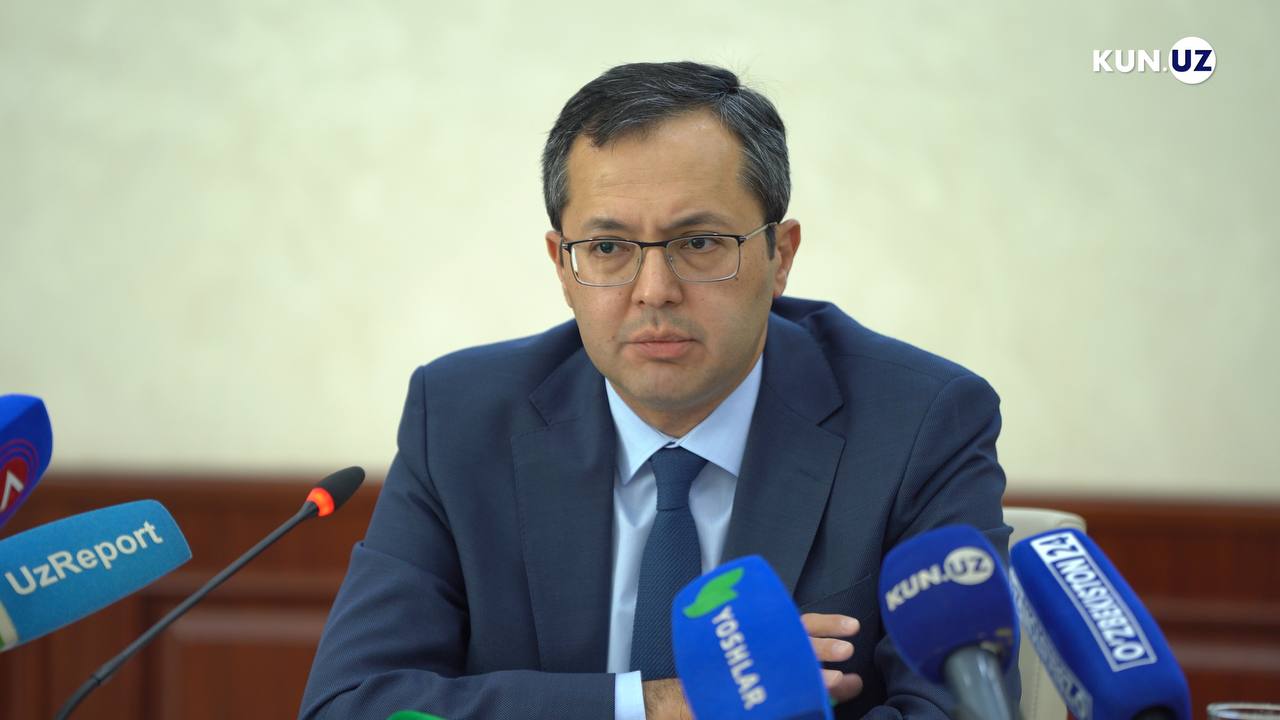
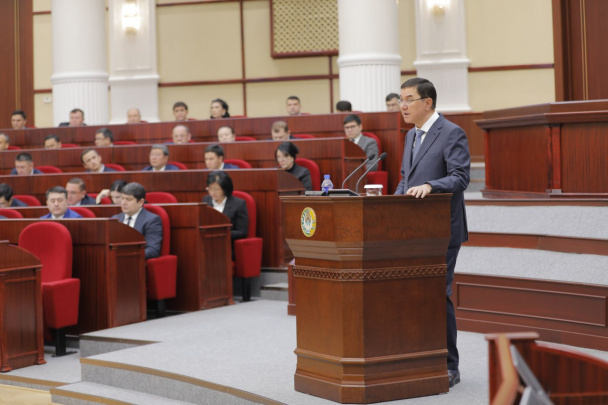
Photo: Kun.uz
“Recently, we have slightly adjusted our exchange rate policy, which has led to greater fluctuations. This is the next step. Years of low volatility created market expectations, particularly among banks and businesses, that the dollar would always rise or only increase, even when it is currently declining,” Ishmetov said.
He emphasized that allowing a wider range of exchange rate fluctuations will help businesses form more realistic expectations regarding the dollar rate.
In June, the International Monetary Fund recommended that the central bank increase exchange rate flexibility and allow broader fluctuations. The IMF noted that this approach would help protect against external shocks, encourage companies to hedge currency risks, strengthen monetary policy transmission, and prevent persistent expectations of a falling exchange rate.
In August, exporters called on the Central Bank to weaken the UZS and let the dollar float freely. They argued that rising costs denominated in the local currency reduce their competitiveness when the US dollar declines. A textile company representative stated that a devaluation would solve “70–80% of exporters’ problems.” Davron Vakhabov, head of the Chamber of Commerce and Industry, suggested a desirable dollar rate of 16,000–17,000 UZS.
During the first eight months of 2025, the national currency strengthened by 3.39%, or 438 UZS, against the dollar.
Economists differ on the reasons behind the UZS’s appreciation. Yuliy Yusupov attributes it to the decline of the dollar under US President Donald Trump’s policies, while Mirkomil Kholboev also points to domestic factors in Uzbekistan.
Farrukh Khodjaev, director of Kap Depo, described the UZS’s strengthening as a “short-term correction.” In the current environment, he considers it more reasonable for private investors to buy dollars rather than sell.
Economist Otabek Bakirov noted that both the dollar’s decline and additional currency inflows contributed to the UZS’s appreciation. He also cited import restrictions in Uzbekistan as another factor.
Related News
16:43 / 06.12.2025
Uzbekistan’s international reserves hit historic high of $61.2bn
12:40 / 05.12.2025
Three men jailed in Tashkent for using counterfeit dollars
18:01 / 03.12.2025
Uzbekistan among the world’s biggest gold buyers in October
14:26 / 03.12.2025