According to him, by 2030, it is planned to increase the use of renewable energy sources to about 30%. At the same time, today Uzbekistan has joined the hydrocarbon neutrality program adopted by the most advanced countries in the world.
By 2050, the country is working to achieve hydrocarbon neutrality in all sectors of the economy, including energy.
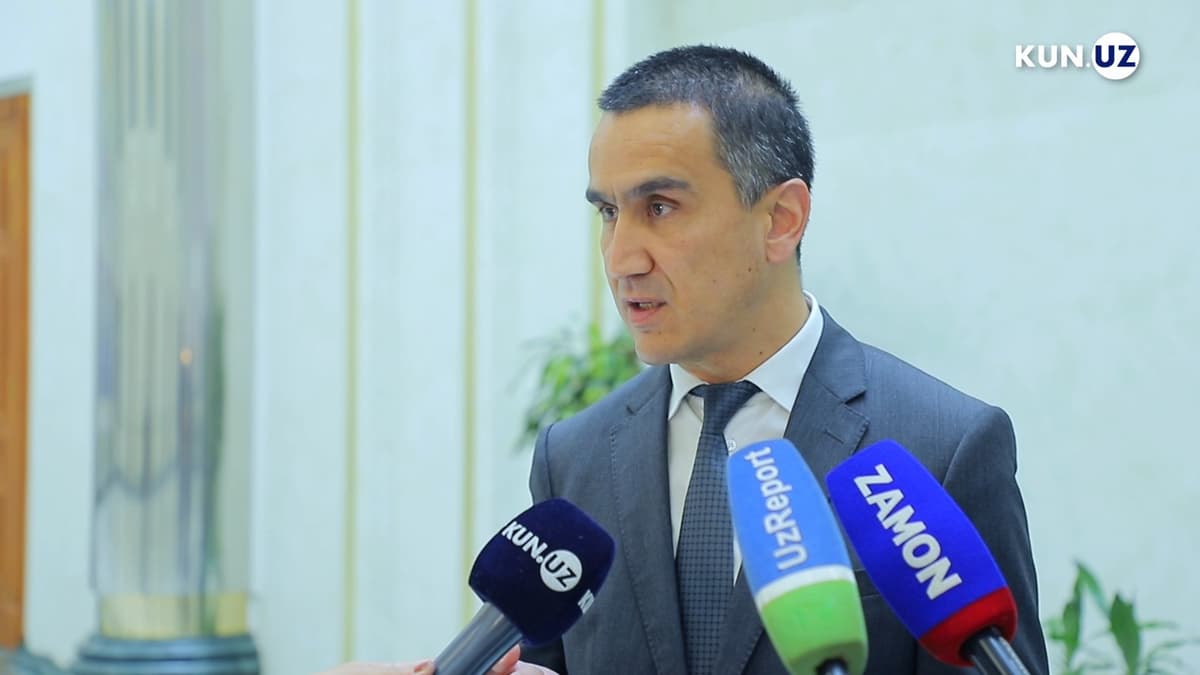
“This means a complete abandonment of the use of natural gas, coal and oil products as fuel. At first glance, this may seem like a long time, but the transition process in the energy sector today can be compared in terms of its scale and importance to the changes that once covered mineral resources, oil and gas. Human life has changed dramatically. In particular, it has had a significant impact on industry and transport logistics,” the deputy minister said.
He points out that a similar energy transition process has its own impact on daily life. The demand for electricity in Uzbekistan differs sharply compared to Western countries. Because the economy of the republic is not yet saturated with electricity. Demand rates are expected to grow at least 11-12% annually.
“These are the results that will be achieved by 2030. This means that it is very difficult for us to completely abandon today’s traditional energy sources and switch to solar and wind energy. First of all, it is necessary to satisfy the growing demand,” Sherzod Khodjayev said.
During this period, at least 5,000 MW wind power plants and 7,000 MW solar power plants should be commissioned.
In 2022, major work will be done on renewable energy sources. Project agreements are expected to be signed for the construction of 8 solar photovoltaic power plants with a total capacity of 1,900 MW in Bukhara, Namangan, Khorezm, Kashkadarya, Fergana and other regions, and wind power plants with a total capacity of 1,700 MW in the Republic of Karakalpakstan.
In addition, in 2023, 4 solar photovoltaic power plants with a total capacity of 1,097 MW in Samarkand, Jizzakh, Navoi and Surkhandarya regions and 4 wind power plants with a total capacity of 1,600 MW in the Republic of Karakalpakstan, Bukhara (Gijduvan and Peshku) and Navoi regions will begin to produce “green energy”.
In addition, by 2026, the capacity of solar photovoltaic plants in Uzbekistan will reach 4,000 MW and wind power plants – 4,000 MW, and 25% of the generated electricity will come from renewable energy sources. As a result, about 3 billion cubic meters of natural gas will be saved annually. With this amount of saved gas, 1 million households can be supplied with natural gas for 1 year.