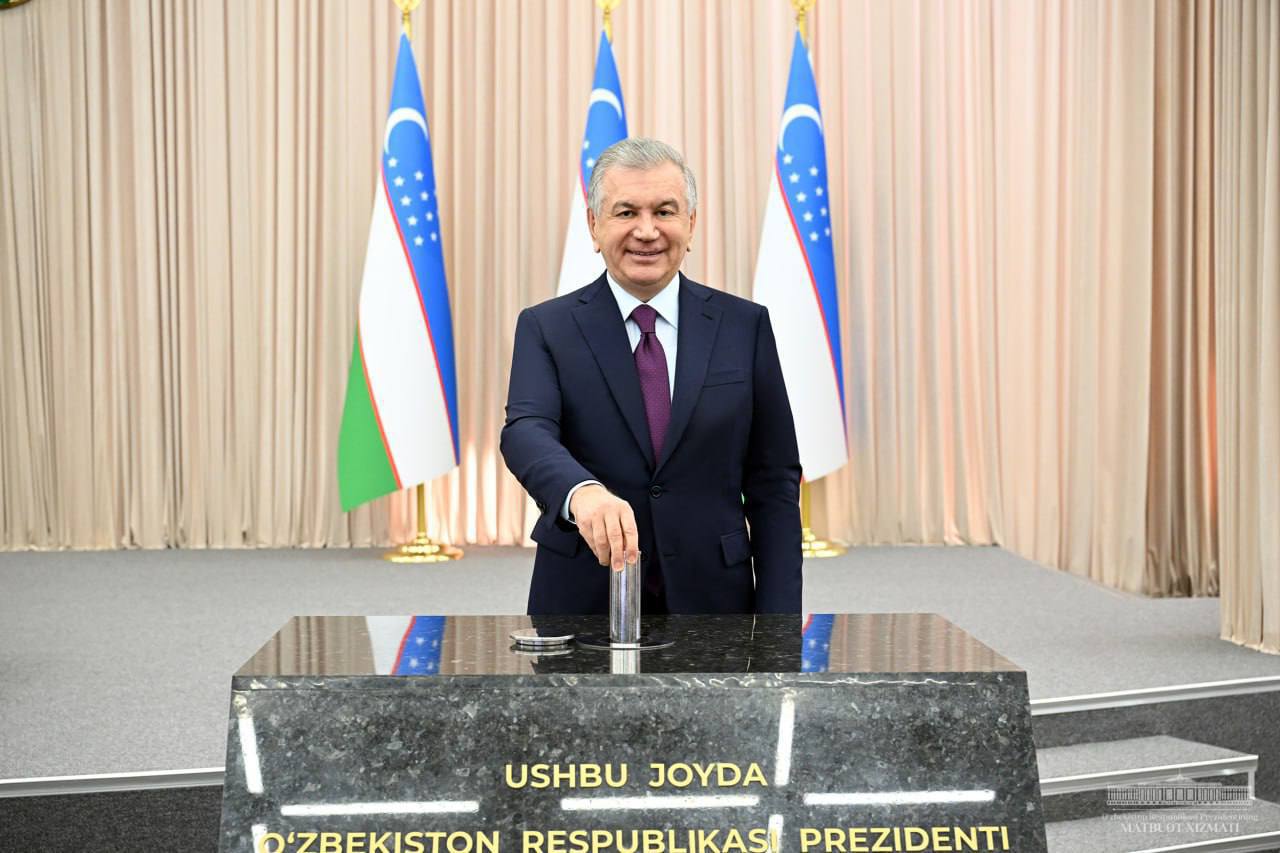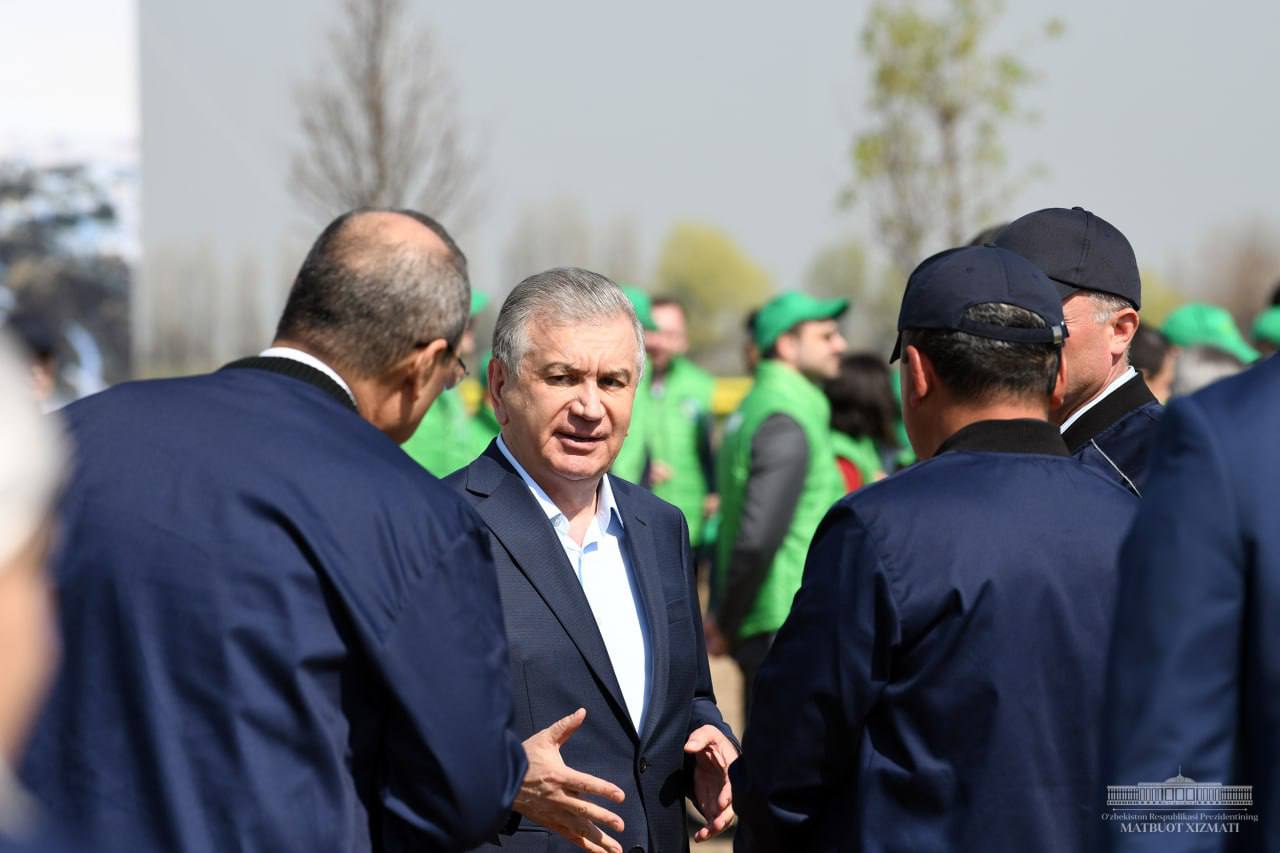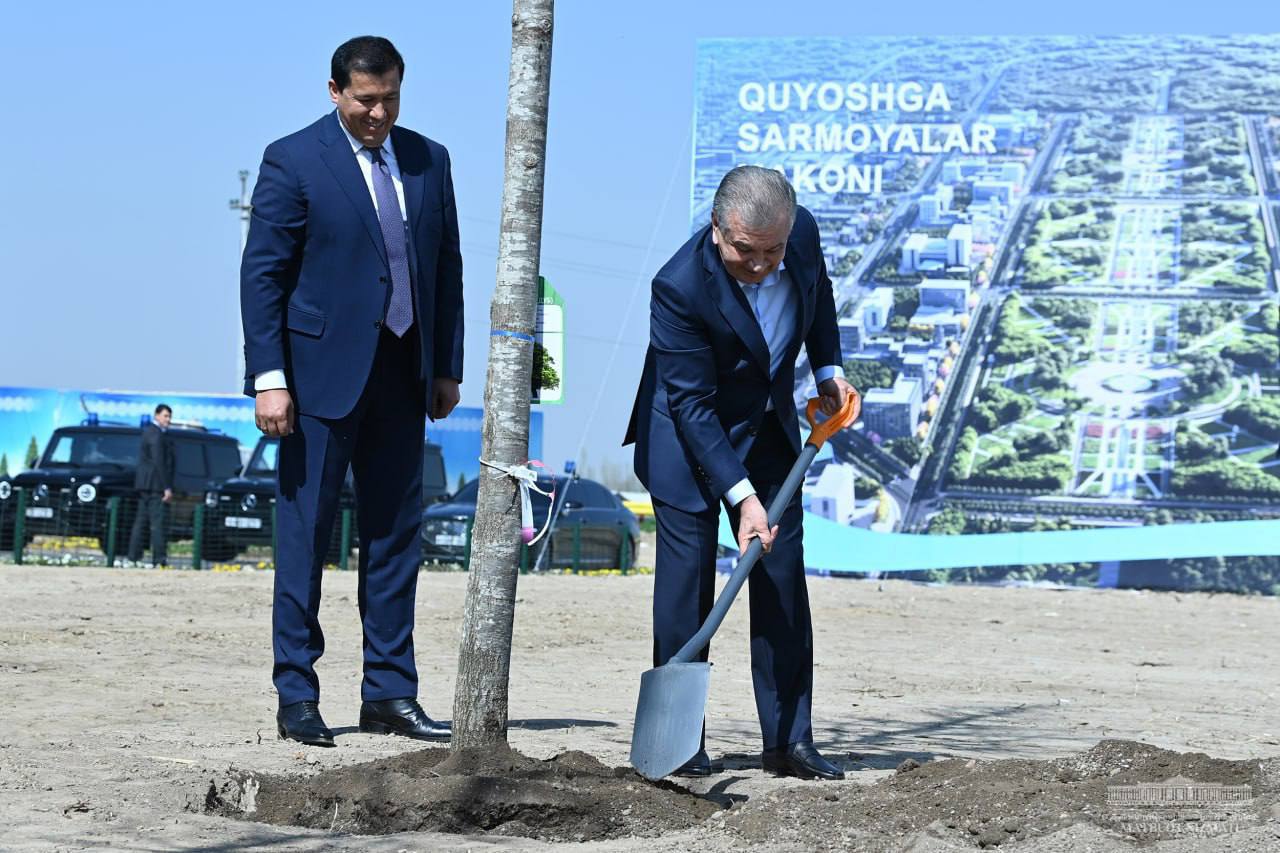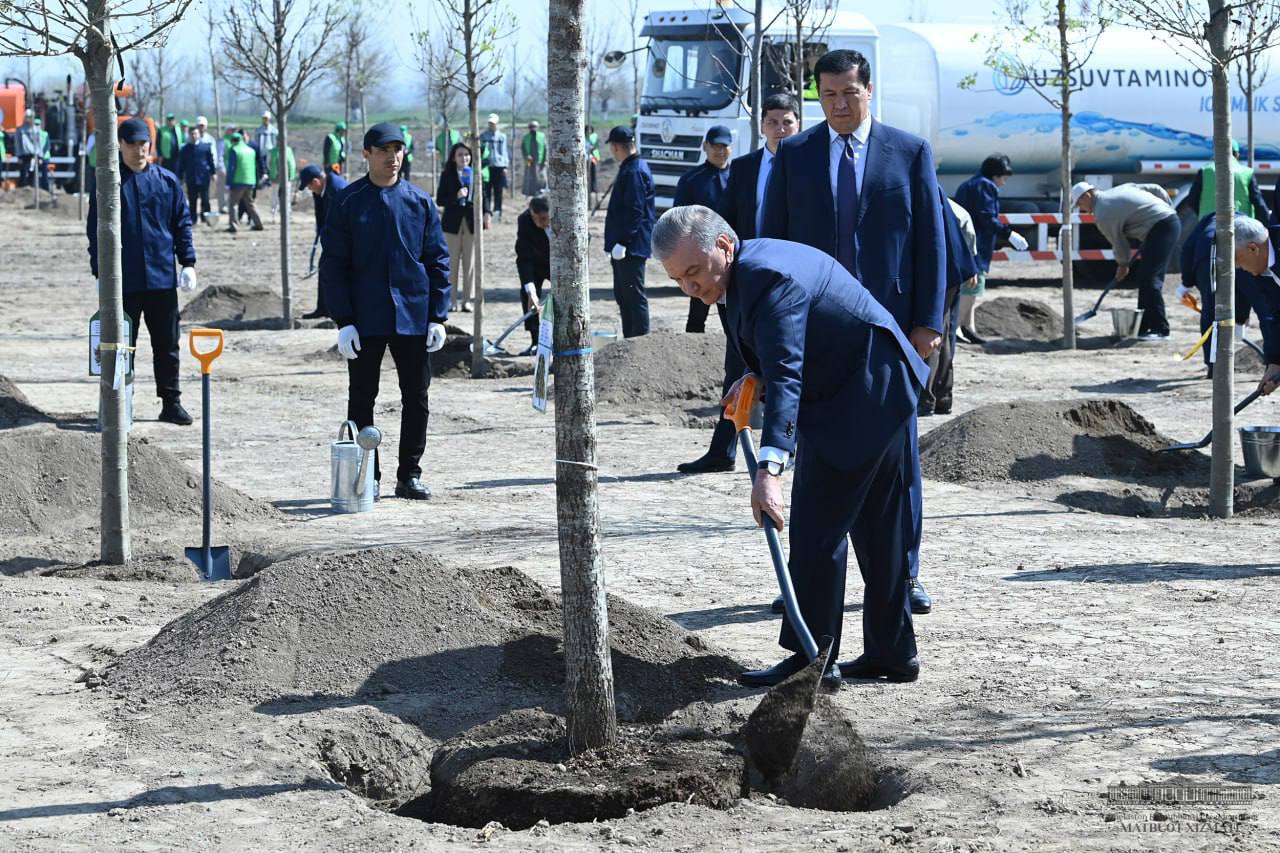
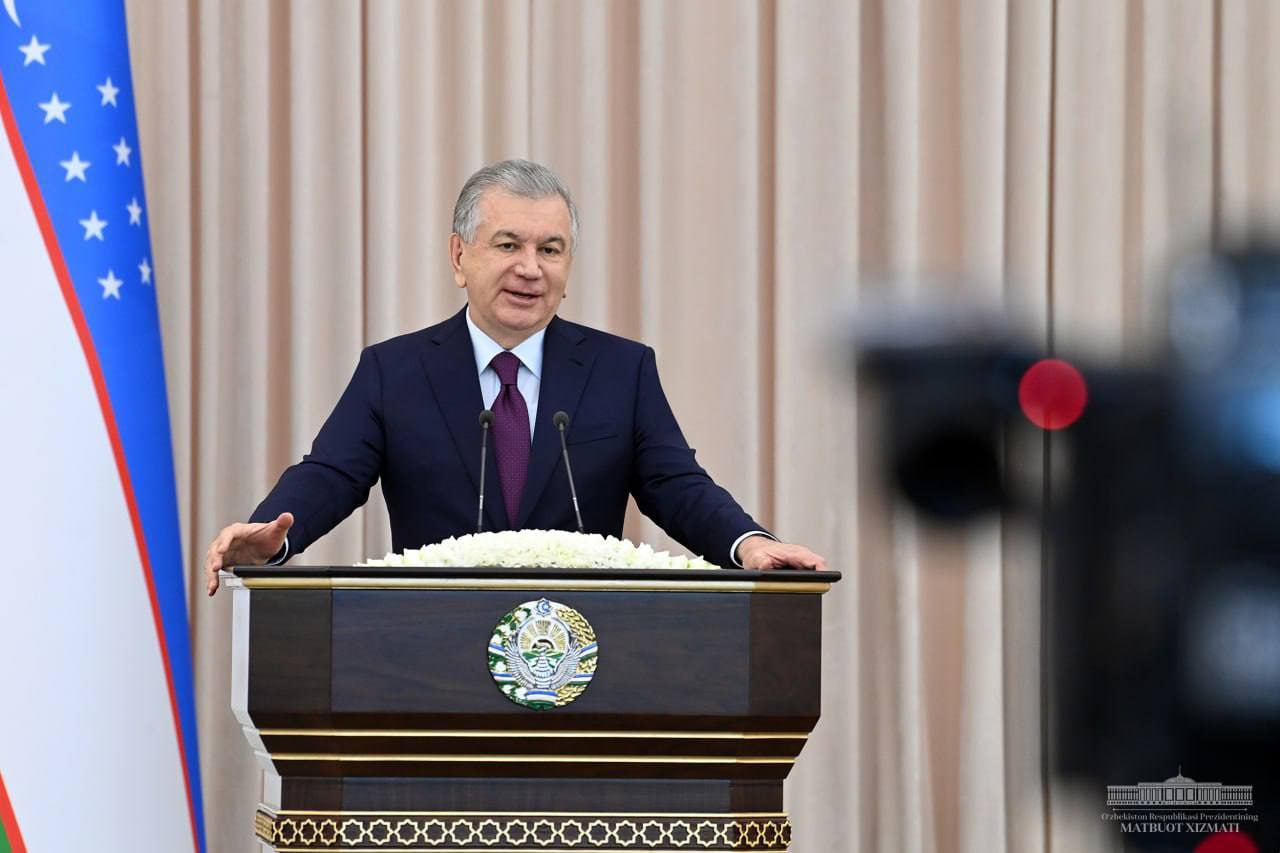
At the beginning of his speech, the head of state congratulated the people on the upcoming Navruz holiday and the holy month of Ramadan. Noting the ancient history of Tashkent, he emphasized the leading role of the capital in all spheres of the country’s life.
“Based on the requests of the population, in recent years, we have done a lot of creative work in Tashkent. Now it is time to think about the prospects for its development. Today we have gathered to confer on the future of Tashkent,” Shavkat Mirziyoyev said.
In particular, the number of enterprises operating in Tashkent has doubled over the past 6 years. As a result of improving the business environment and creating favorable conditions for entrepreneurs, $26 billion was invested. Construction has intensified, new houses, modern enterprises and facilities have been erected. Schools for 30 thousand seats, kindergartens for 20 thousand seats, medical institutions for 2 thousand beds, parks with an area of 200 hectares, more than 10 large sports complexes have also been built.
In order to develop public transport in the city, 14 metro stations were put into operation, and the daily passenger flow exceeded 1 million people. By the end of the year, 5 more stations will be commissioned. Today, the number of people living and working in the capital is 4-5 million people. Therefore, there is a need in the city for the construction of multi-storey buildings for more than 20 thousand apartments, more than 40 schools, kindergartens, clinics.
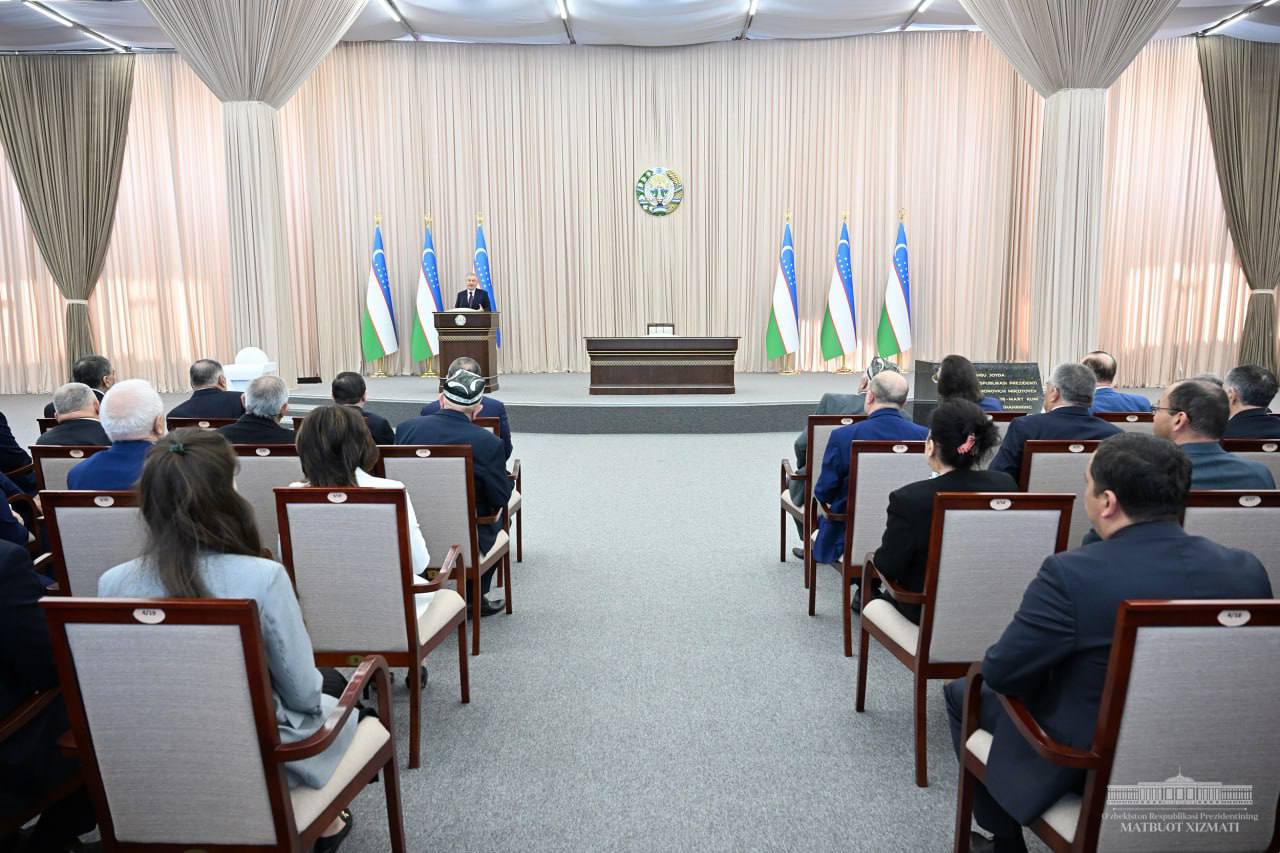
The President stressed that in determining the future of the capital, it is necessary to think for many years ahead.
“It is necessary to think about the sustainable development of our capital and clearly define plans for at least 15-20 years ahead. A well-thought-out urbanization policy has a great impact on living conditions, economic development, the mood and culture of people,” the head of state said.
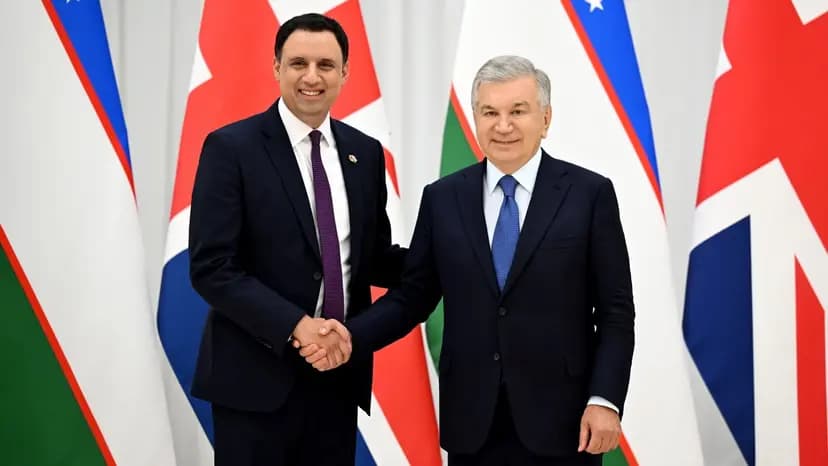
Therefore, together with specialists from Great Britain, Singapore and Turkey, a draft master plan for Tashkent until 2045 was developed. It provides for the creation of favorable conditions for the population, the implementation of construction outside the city, ensuring the cleanliness of the environment, and preserving the architectural appearance of Tashkent.