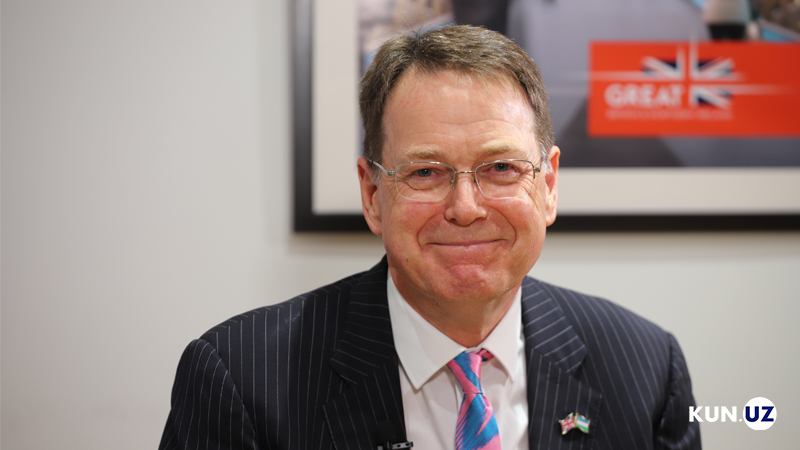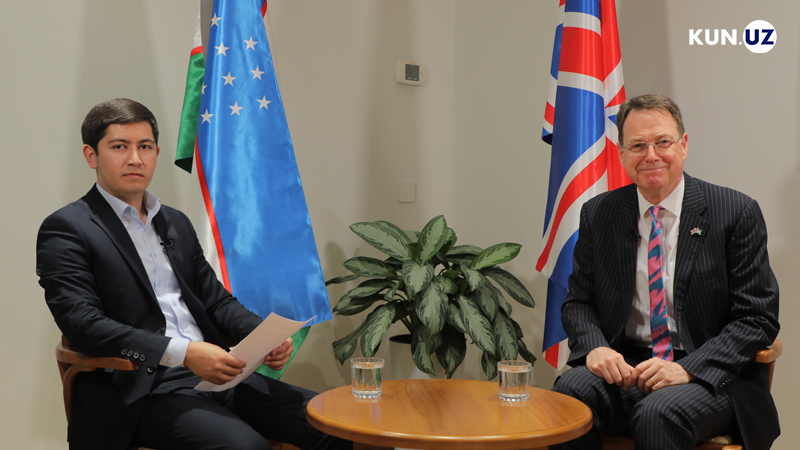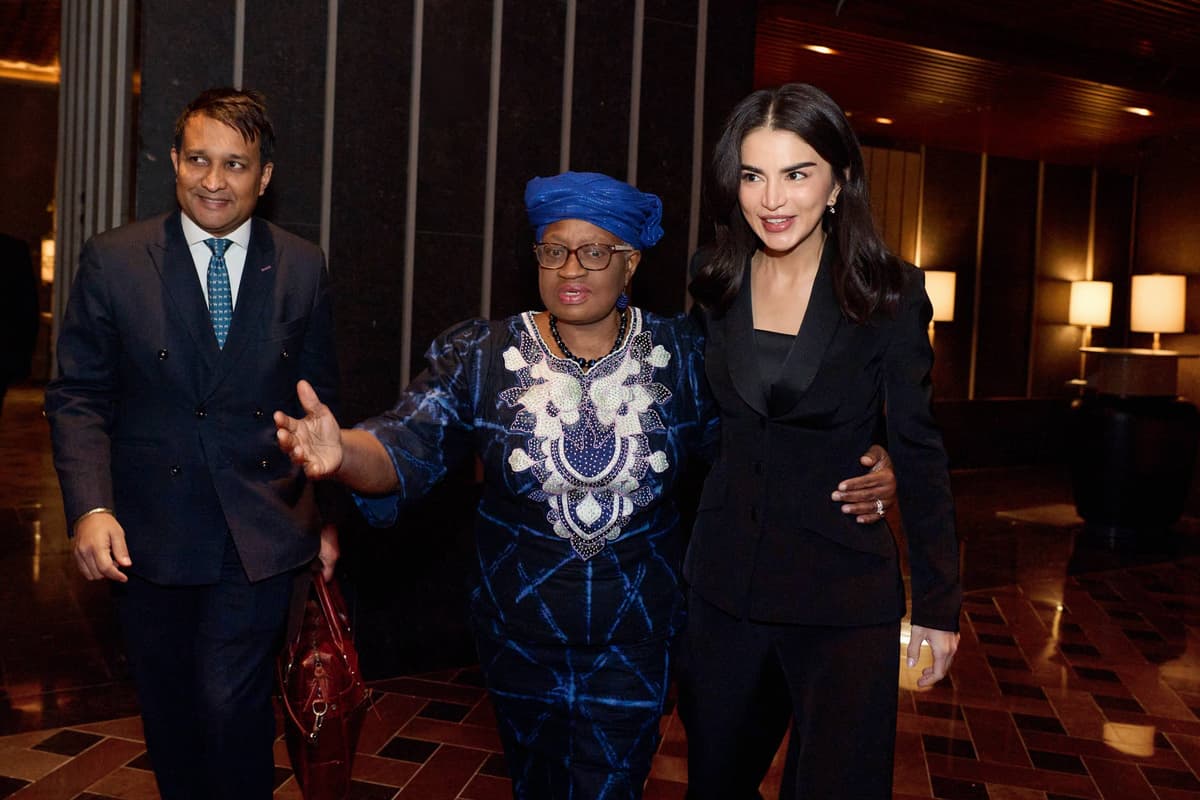
During the interview, Ambassador Tim Torlot spoke about the changes observed in bilateral relations between Uzbekistan and the UK over the past four years, opportunities to further strengthen trade ties, cooperation in education, security issues in Central Asia, the war in Ukraine and many other politically important topics.
Over the past four years, since you were appointed to this position, a lot has changed both in the UK and in Uzbekistan. For example, you left the EU, mourned for the late queen, saw the new king ascend to the throne and we all experienced the trauma of the global pandemic and so on. These are lots of changes. How did all these affect bilateral relations between Uzbekistan and the UK, in your opinion?
Well, I think, the UK has always attached a lot of importance to Central Asia generally, and to Uzbekistan in particular. We were one of the first European countries to establish embassies in all five Central Asian countries.
Our departure from the European Union is, of course, controversial and will continue to have a real impact, transforming the way that we can deal with the rest of the world. I think all of us saw in our departure from Brexit the opportunity to reach out beyond Europe. Europe is still a really important partner; individual countries within Europe and the EU as an entity. All of those are still important to us. But it was a way of galvanizing, incentivizing the UK to reach out further, to the rest of the world in a way that I think, I, as a diplomat, have been trying to do for all of my career.
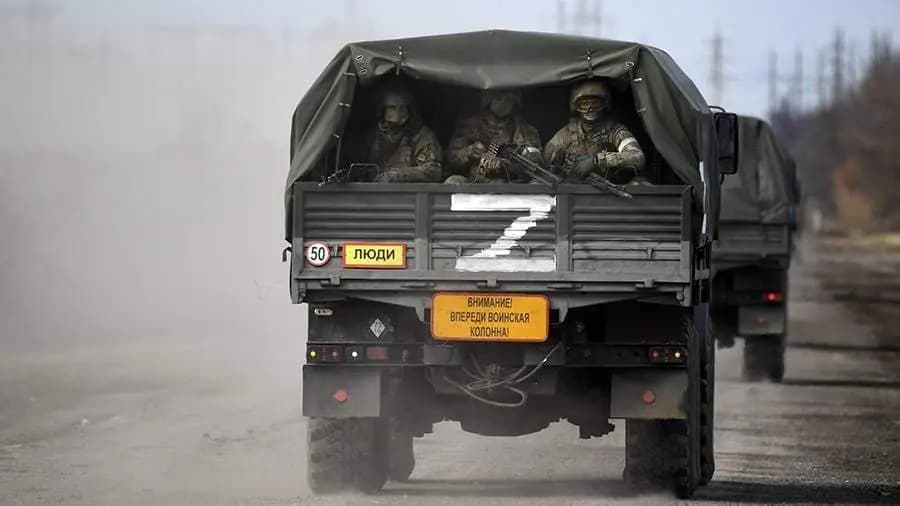
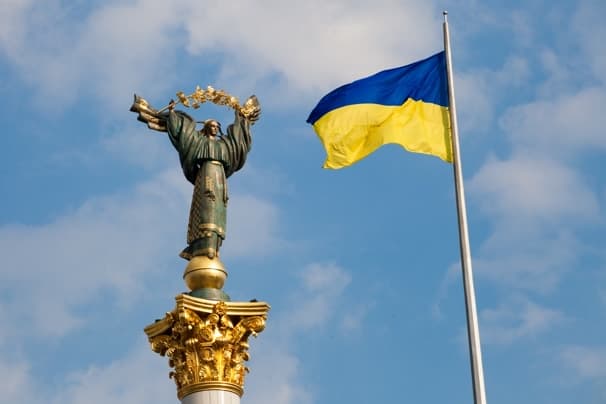
I should also note that the global events equally affected Uzbekistan as well. I have been here, as you say, for nearly four years. In that time, we have seen the global pandemic, which had a huge impact on this country, the Taliban takeover in Afghanistan, which again shook up the security and economic foundations of this country, and then most recently, and the saddest of all, Russia’s extraordinary, cruel, illegal attempt to invade Ukraine, which again has impacted on you economically, socially.
In this period of turmoil, I think, what I would say is that we’ve done extraordinary things to enhance, boost and consolidate our relationship with Uzbekistan. You were the first country worldwide with whom we signed the GSP+ (Generalized Scheme of Preferences Plus) agreement, enabling the export of Uzbek agricultural produces, and manufactured goods tariff-free to the UK. You were the first country in Central Asia that we signed our Enhanced Partnership and Cooperation Agreement. We’ve launched a development program here, and started a seasonal workers program, enabling Uzbek agricultural workers to go and work in the UK.