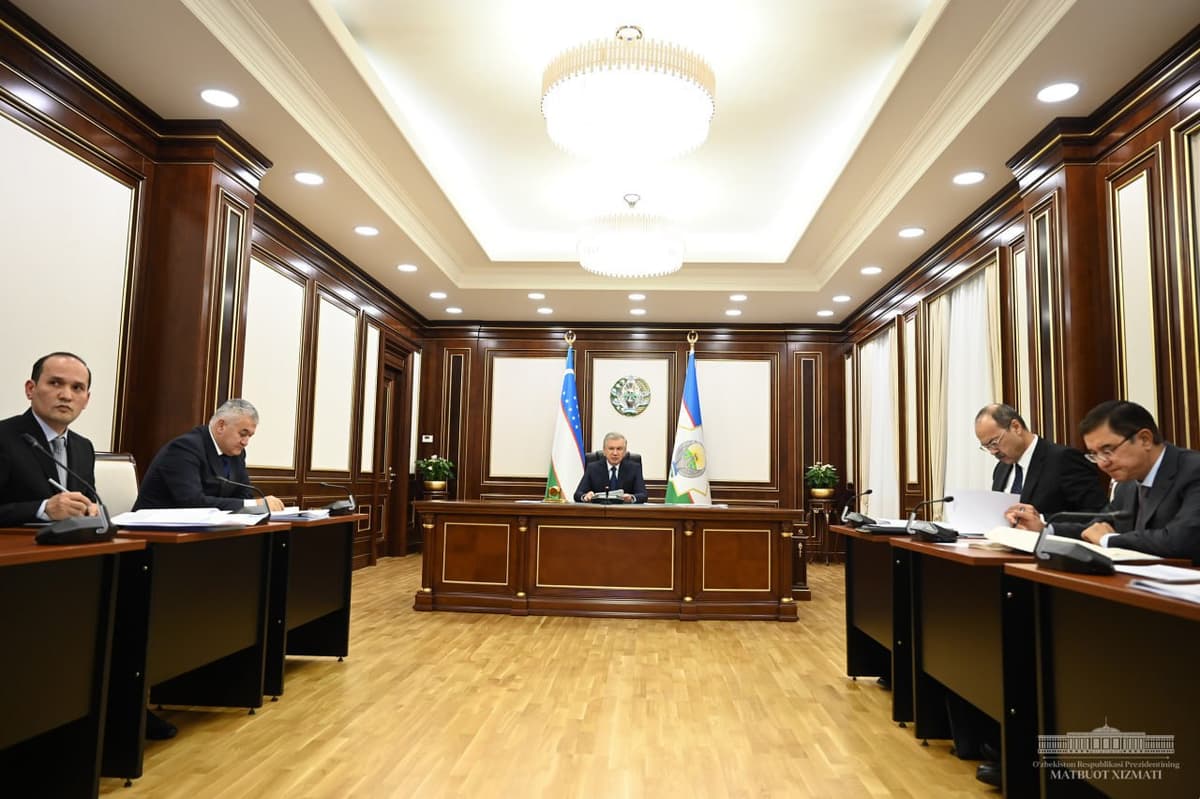
It was noted that the Tashkent region encompasses 15 districts and 7 cities, situated on a key transport corridor connecting the capital with the oasis and valley regions. However, the region's economic development does not match its potential. Utilities such as trade, water and land resources, and transport-transit opportunities are not fully exploited. Some indicators are even lower than those in isolated regions lacking such amenities.
The meeting, conducted in a critical tone, highlighted the untapped potential and the laxity in addressing this issue.
While the capital is rapidly developing, the neighboring regions are lagging in pace. For instance, the volume of industry in Tashkent, Zangiota, Qibray, Yuqori Chirchiq, and Orta Chirchiq districts is several times lower than in the adjacent capital districts, and the situation is similar in the construction sector.
Several small entrepreneurs have ceased operations. Production has declined in 29 large enterprises as well as in Bekabad and Yangiyul cities. Despite having extensive arable lands, the region's output is nearly identical to that of Andijan.
The full potential of the regions is not translating into revenue, primarily due to the lack of initiative from governors to identify and utilize "growth points." Some governors have not even engaged with their local communities to support entrepreneurs or increase employment.
Officials from district and city administrations were warned during the meeting that if they failed to make changes, their suitability for their positions would be reassessed.
Despite abundant tourism, transit, and economic advantages in the Parkent, Yangiyul, Chinoz, and Okkurgan districts, these areas lag in development. Consequently, in accordance with the President's instructions, a thorough review of the real situation, opportunities, and entrepreneurs' proposals was conducted.
The meeting presented analyses and showcased the "growth points" of these districts.
For example, in the Parkent district, there are proposals to repair roads leading to scenic locations, organize microbus routes, and allocate land to entrepreneurs for constructing trading and service outlets. It is also possible to use land efficiently by clearly defining and reinforcing the shores of the Parkentsay, Qizilsay, and Chovlisay rivers.
In the Yangiyul district, a specialized small industrial zone focusing on food and hygiene products is planned.
In the Chinoz district, opportunities for establishing shopping and entertainment complexes, a modern fish market, expanding trade and services along roads, and increasing greenhouses in private homes were explored.