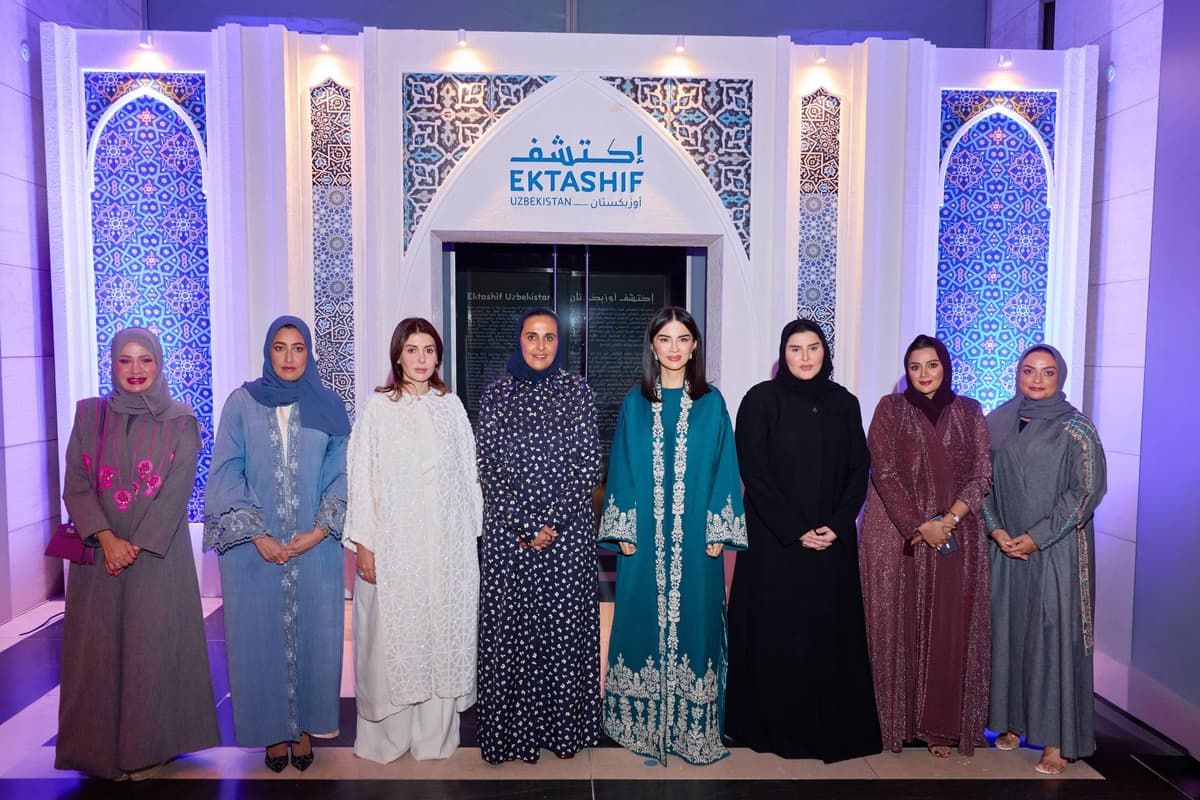
Uzbekistan, with its rich cultural heritage and historical significance, has become a focal point for UNESCO’s activities. In an exclusive interview with Kun.uz, Sara Noshadi, UNESCO’s Representative in Uzbekistan, elaborated on the organization’s global mission, its local priorities, and the critical role of cultural preservation.
At the heart of UNESCO’s mission is the aim to build peace in the minds of men and women. This ambitious endeavor is realized through a broad spectrum of programs spanning education, culture, communication, information, and the social and human sciences.
Although UNESCO’s World Heritage Convention is its most recognized initiative, the organization’s work encompasses much more. In education, UNESCO strives to create frameworks that enhance learning outcomes across all levels, from preschool to higher education. In the social sciences, initiatives such as developing ethical standards for artificial intelligence demonstrate UNESCO’s commitment to addressing contemporary challenges. Highlighting Uzbekistan’s contributions, Ms. Noshadi noted the upcoming launch of the UNESCO Beruniy Prize for Ethics of Artificial Intelligence in 2025, an effort that underscores the nation’s leadership in global innovation.
UNESCO’s local impact in Uzbekistan
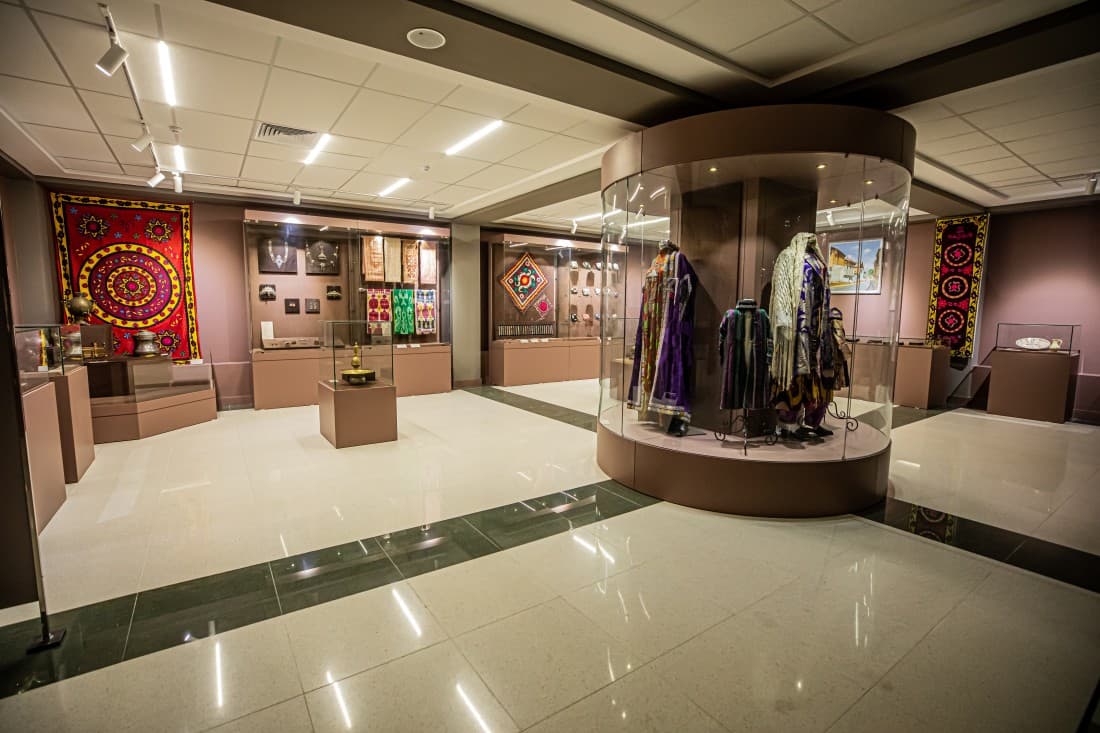
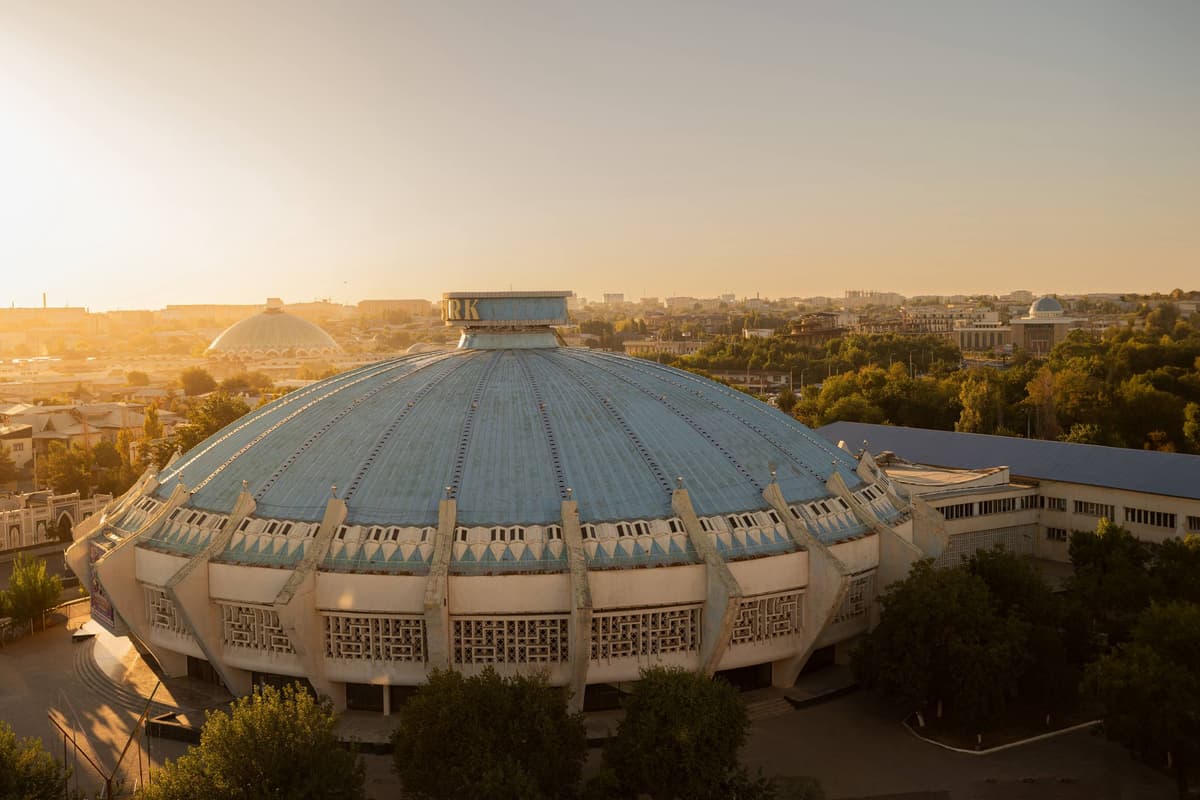
In Uzbekistan, UNESCO primarily focuses on cultural preservation and capacity building. The country’s wealth of cultural heritage, including four entire cities designated as World Heritage Sites, poses a unique challenge: balancing the preservation of historical integrity with maintaining these cities as vibrant, living spaces.
“You don’t want cities to become museums. The value of cities like Bukhara lies in their ability to remain alive while preserving their historical elements,” Ms. Noshadi emphasized.
UNESCO plays an advisory role in Uzbekistan, connecting the government with international expertise and best practices in heritage preservation. While Uzbekistan has the resources to undertake restoration projects independently, UNESCO’s contribution lies in fostering human capital. The organization prioritizes training specialists in fields such as cultural heritage restoration and museum management, ensuring sustainable management of the country’s vast cultural assets.
The importance of cultural preservation
Cultural preservation is a multifaceted endeavor, intertwined with national identity and global heritage. According to Ms. Noshadi, culture resides at the intersection of development and preservation, making it both complex and essential.