Alisher Navoi State Academic Grand Theatre: A timeless beacon of culture
|23:22 / 17.02.20255,70813 min
Every city has buildings that embody its history and legacy. In Tashkent, one such landmark is the Alisher Navoi State Academic Grand Theatre of Opera and Ballet, also known as the Bolshoi (Grand) Theatre. Standing at the heart of the city, this institution represents the rich artistic and cultural heritage of Uzbekistan. Its long history, architectural grandeur, and artistic contributions make it a cornerstone of the country's performing arts scene.
Historical context
Pre-theater era: The Voskresensky Bazaar
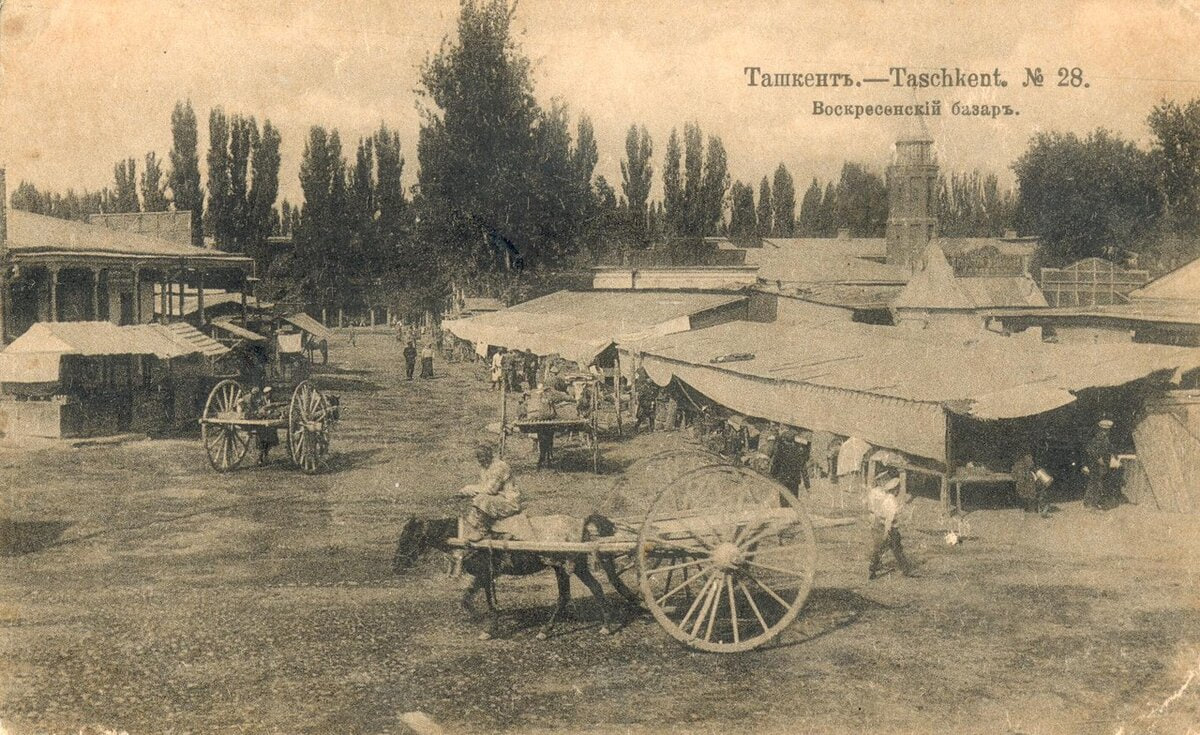
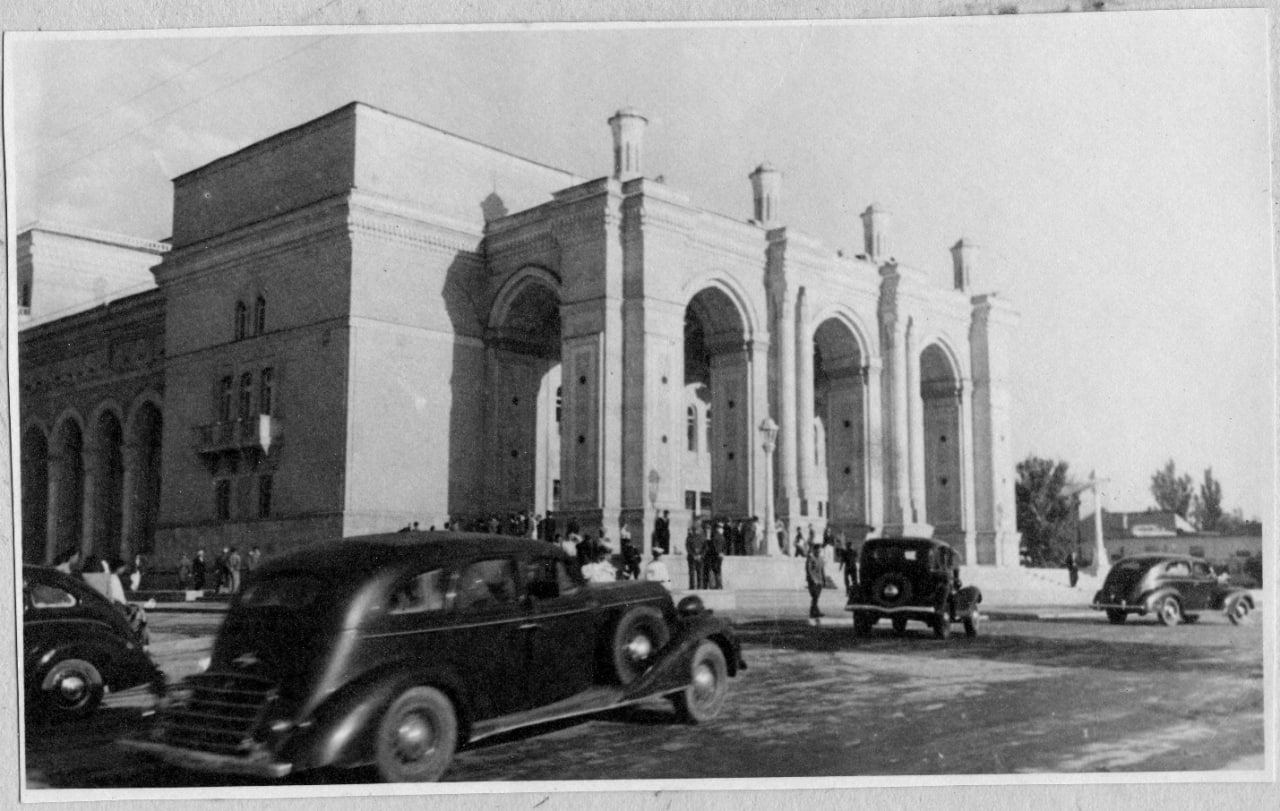
Before the theater’s construction, the site was home to the Voskresensky Bazaar, a bustling market established in the 1870s. Known for its size and entertainment attractions, it was a vital commercial hub for local citizens. However, with Tashkent’s modernization under Soviet rule, the bazaar was deemed unsuitable for the city’s evolving urban landscape. In 1933, a competition was announced for the construction of a grand theater, which was won by renowned Soviet architect Alexey Shchusev in 1934.
The Voskresensky market (GABT)
Design and Construction
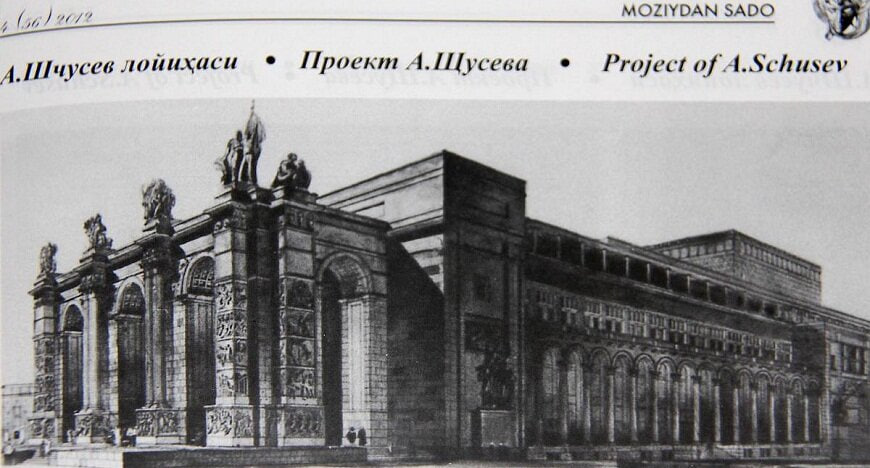
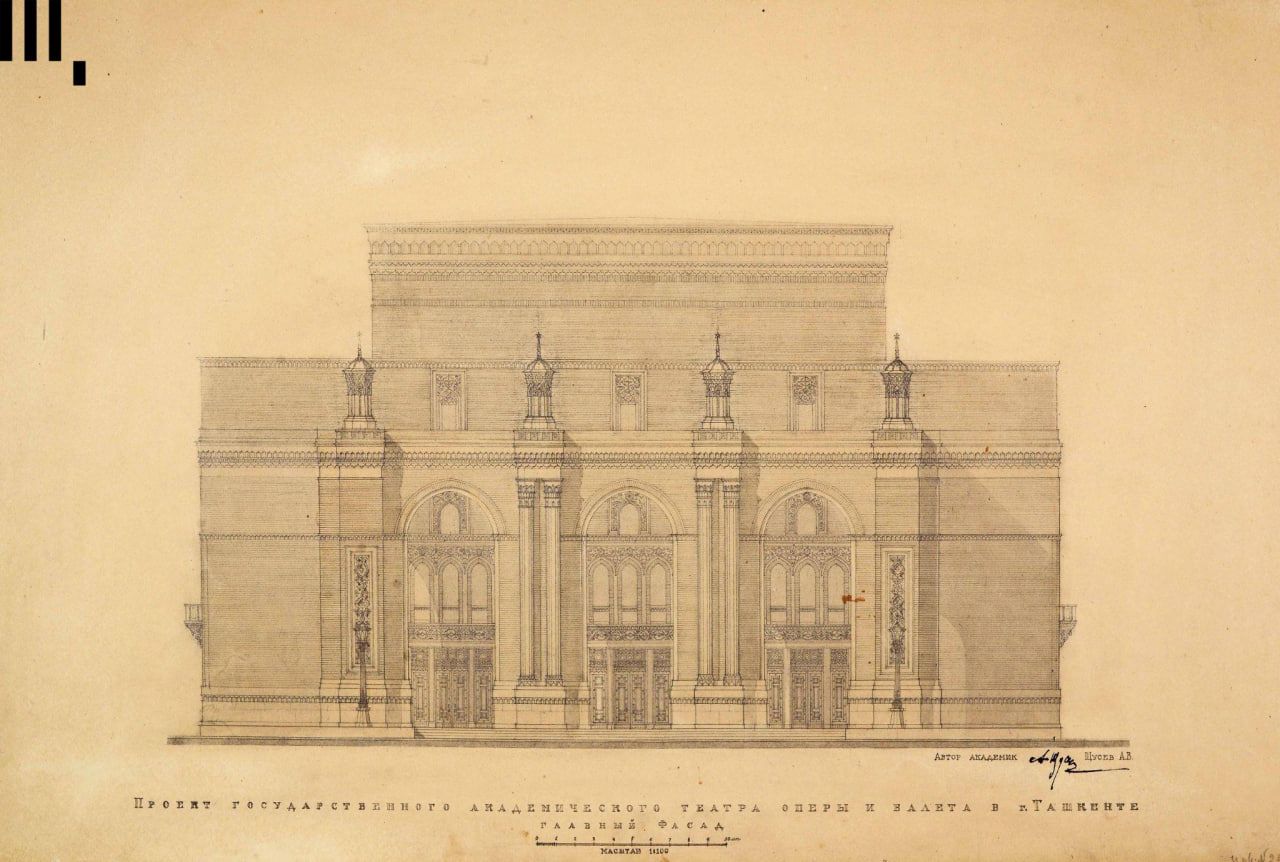
Shchusev, the architect behind Lenin’s Mausoleum and many other renowned works, designed the theater as a blend of Uzbek traditional and Soviet architectural styles. Construction began on September 1, 1940, but was halted in 1942 due to World War II. Work resumed in 1943, with Soviet Koreans contributing. In the final stages, Japanese prisoners of war from the Kwantung Army, deported to Tashkent in 1945, assisted in the construction of the building. The theater officially opened in 1947.
The project of the theater (GABT)
Built on a 7-hectare site, the structure is surrounded by a landscaped park featuring vibrant flower beds, ornamental trees, and a large pond-fountain reminiscent of traditional Uzbek khauzes.
Related topics
The main entrance boasts a grand three-arched portal with smaller arcades along the sides. The walls are clad in polished pinkish-ocher brick with a granite base, while interior elements feature gray marble.
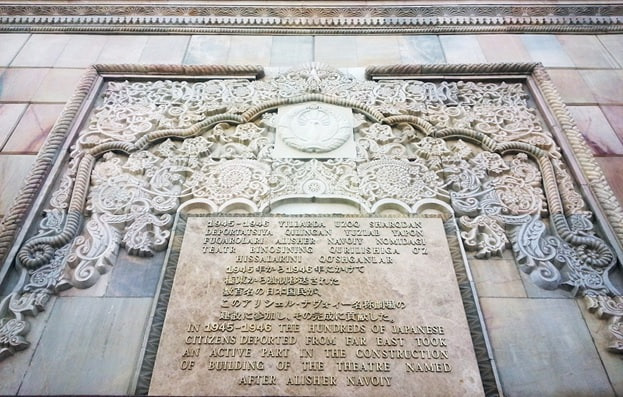
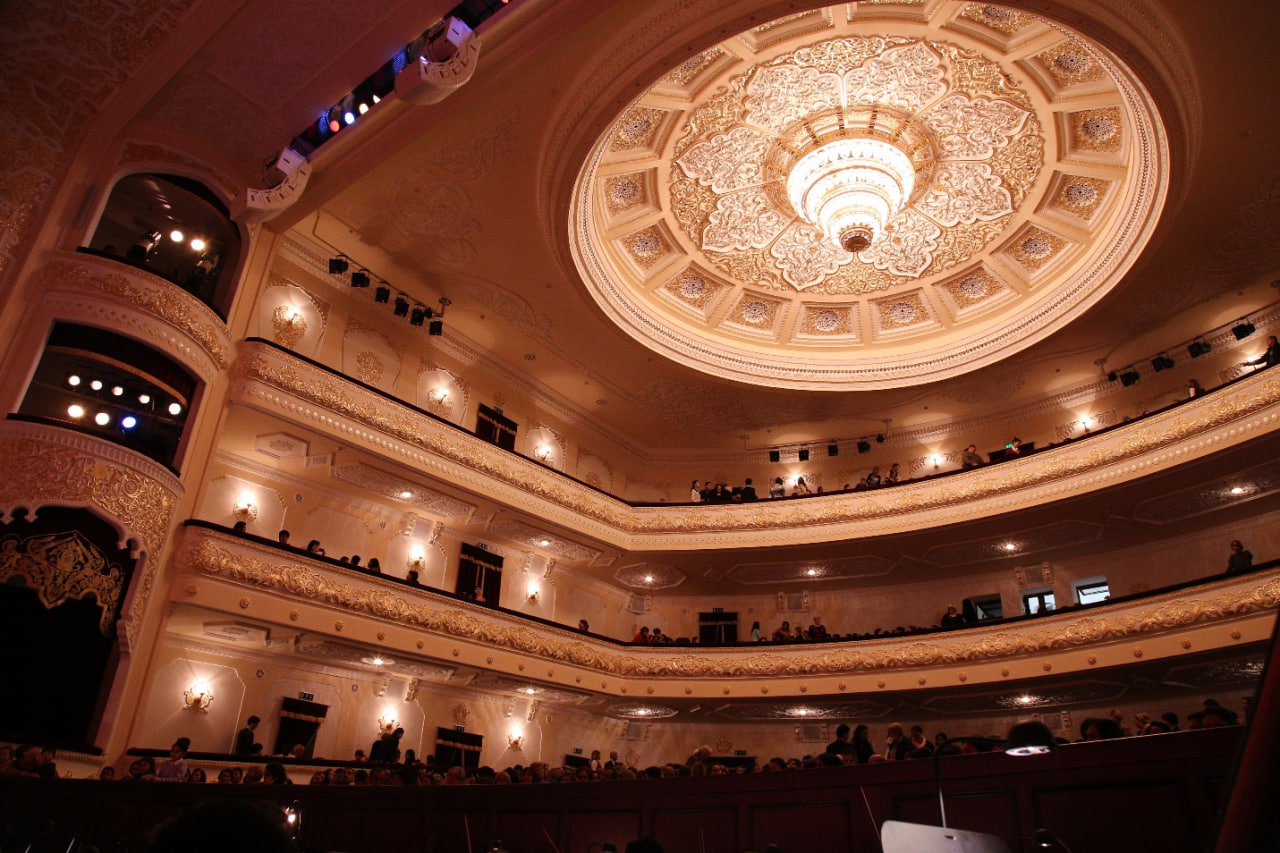
The theater’s auditorium accommodates 1,440 spectators, with intricately decorated balconies and stage portals adorned with gilded embellishments. The curtains, crafted by Bukhara gold embroiderers, reflect Uzbek artistic traditions. In 1996, a memorial plaque was installed to honor the Japanese prisoners who contributed to its construction. The original one which is in the theatre museum is now replaced with the new plaque.
The board with inscription dedicated to Japanese prisoners of war (GABT)
The building underwent significant renovations from 2012 to 2015, reopening in a grand ceremony attended by Japanese Prime Minister Shinzo Abe.
Architectural splendor
Uzbek-Soviet fusion
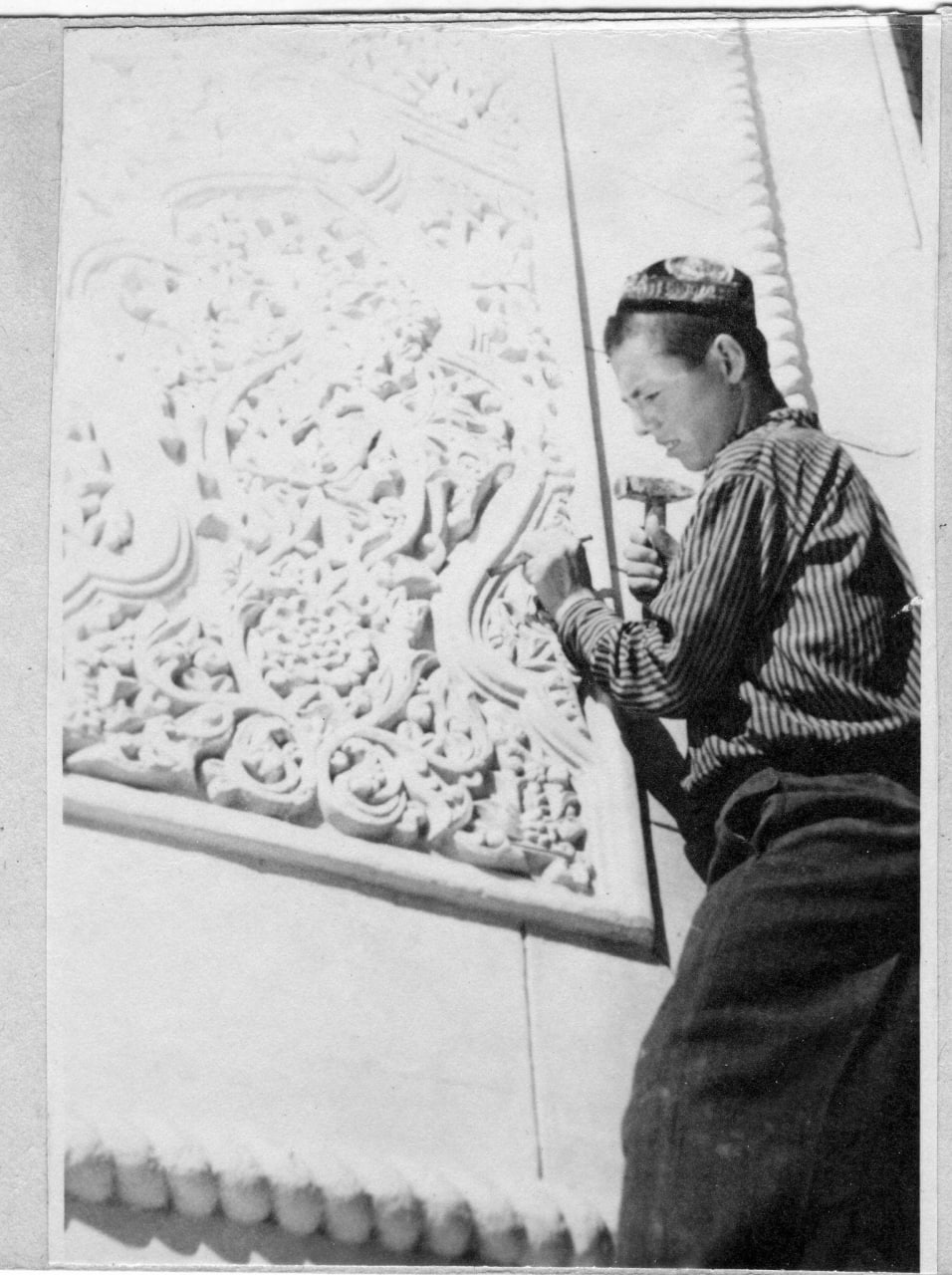
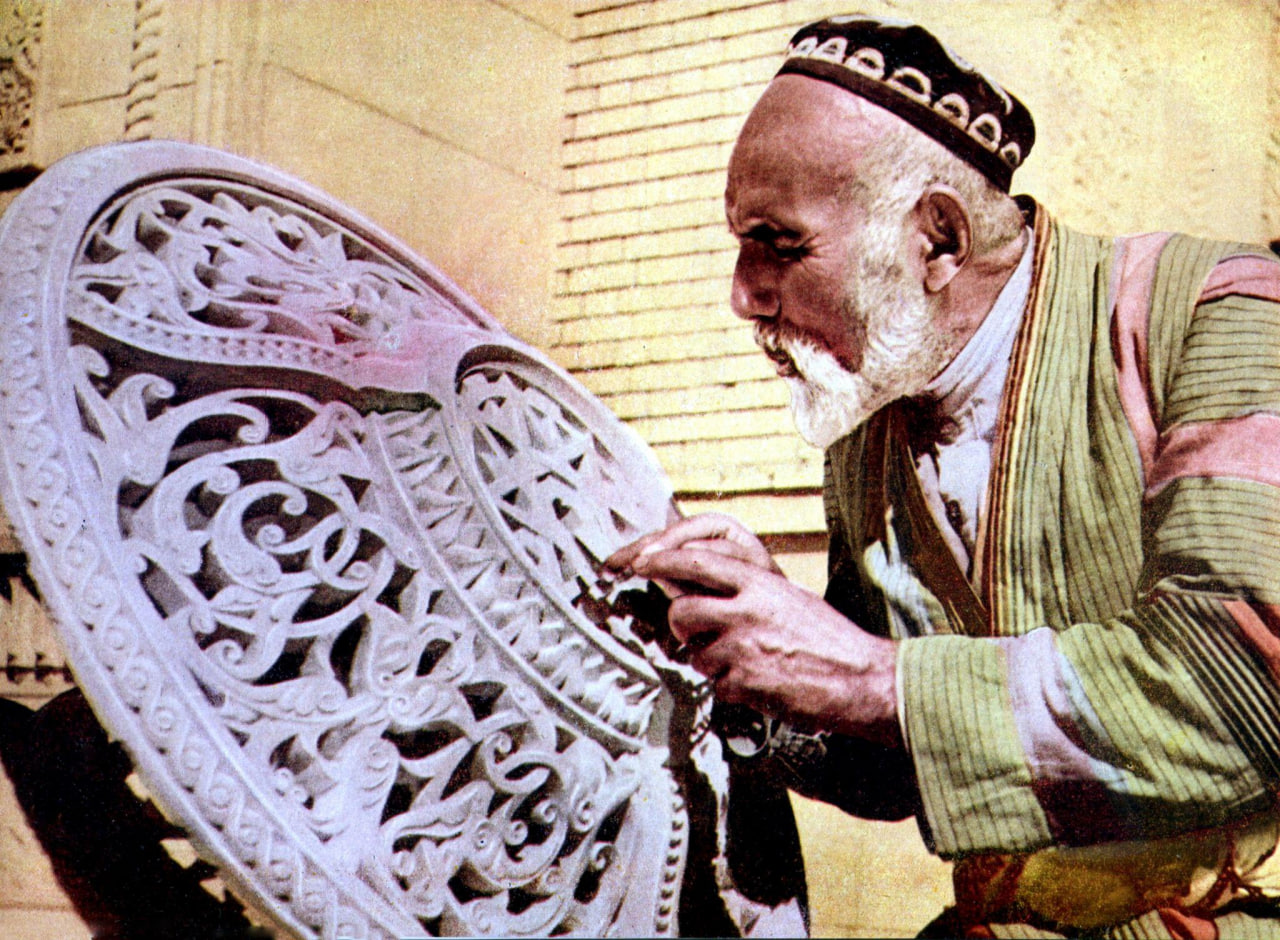
The theater showcases a masterful blend of traditional Uzbek artistry and Soviet monumental architecture. The use of marble, intricate ganch (decorative plaster) carvings, and detailed ornamental motifs highlights Uzbekistan’s rich cultural aesthetics.
The six regional halls
A unique feature of the theater is its six regional halls, each representing a distinct area and the uniques style of the regions of Uzbekistan:
1st floor:
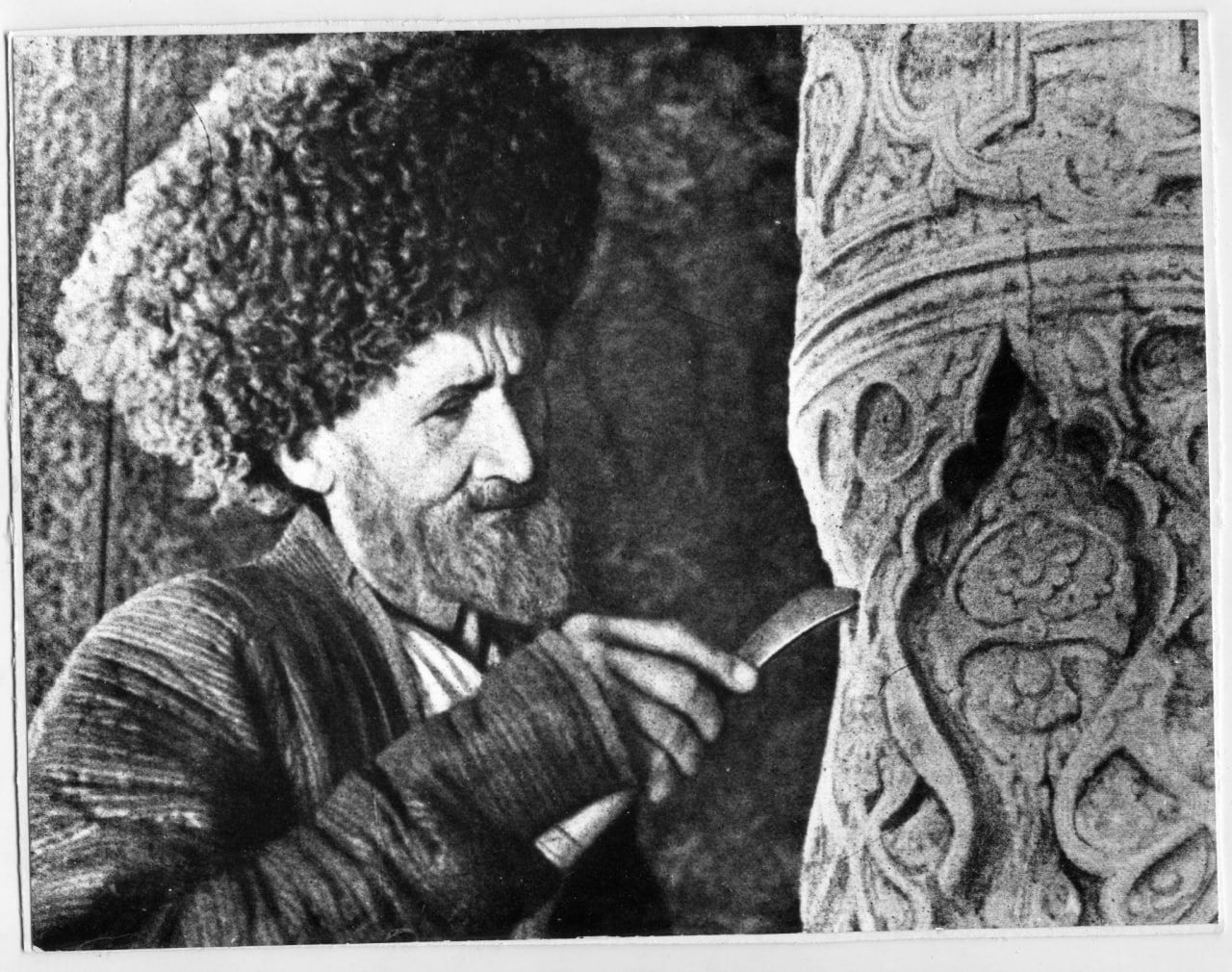
Tashkent Hall – Decorated by master Tashpulat Aslankulov.
Fergana Hall – Designed by master Said Makhmud Narkuziev.
2nd floor:
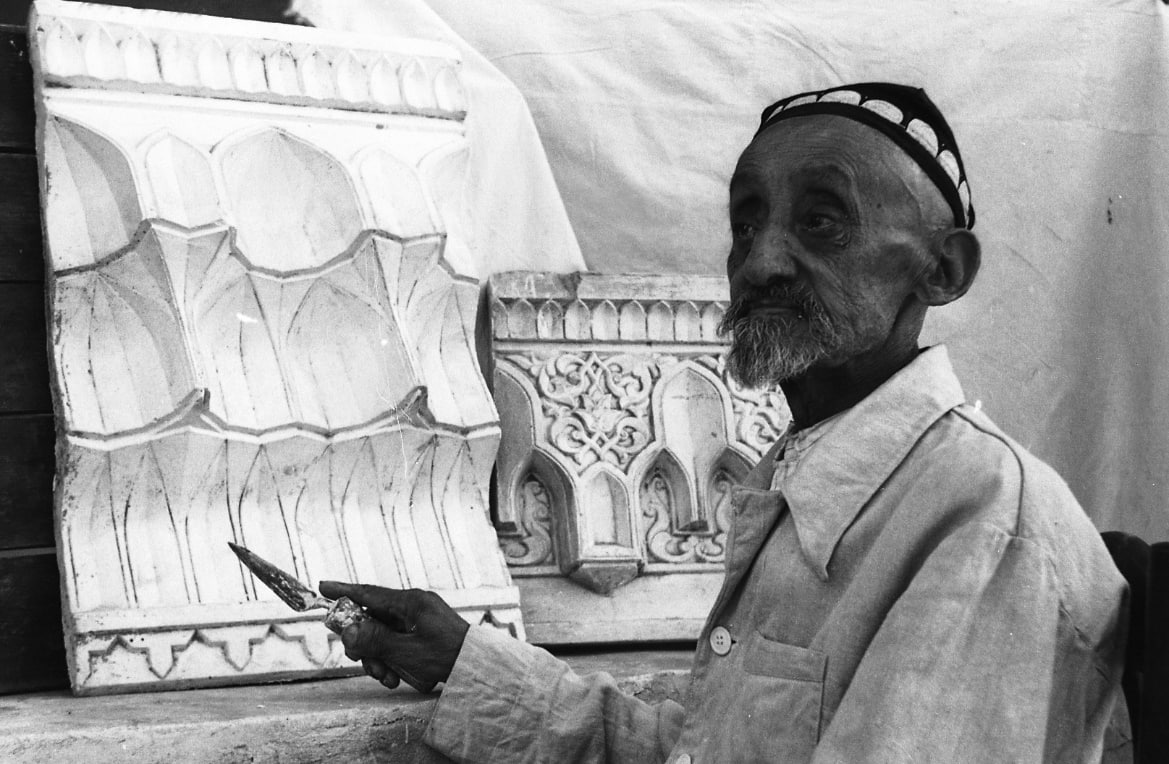
Bukhara Hall – Featuring mirror-based ganch carvings, created by honorary academician Shirin Muradov.
Samarkand Hall – Showcasing two-layer islimi carvings and Gazgan marble, crafted by master Kuli Dzhanilov.
3rd floor
Khiva Hall – Incorporating traditional Khorezm wood-carving patterns, supervised by master Abdulla Baltayev.
Termez Hall – Inspired by Termez palace architecture, designed under the guidance of master Nigmatov.
Usto Shirin Muradov (GABT)
Theater finishers
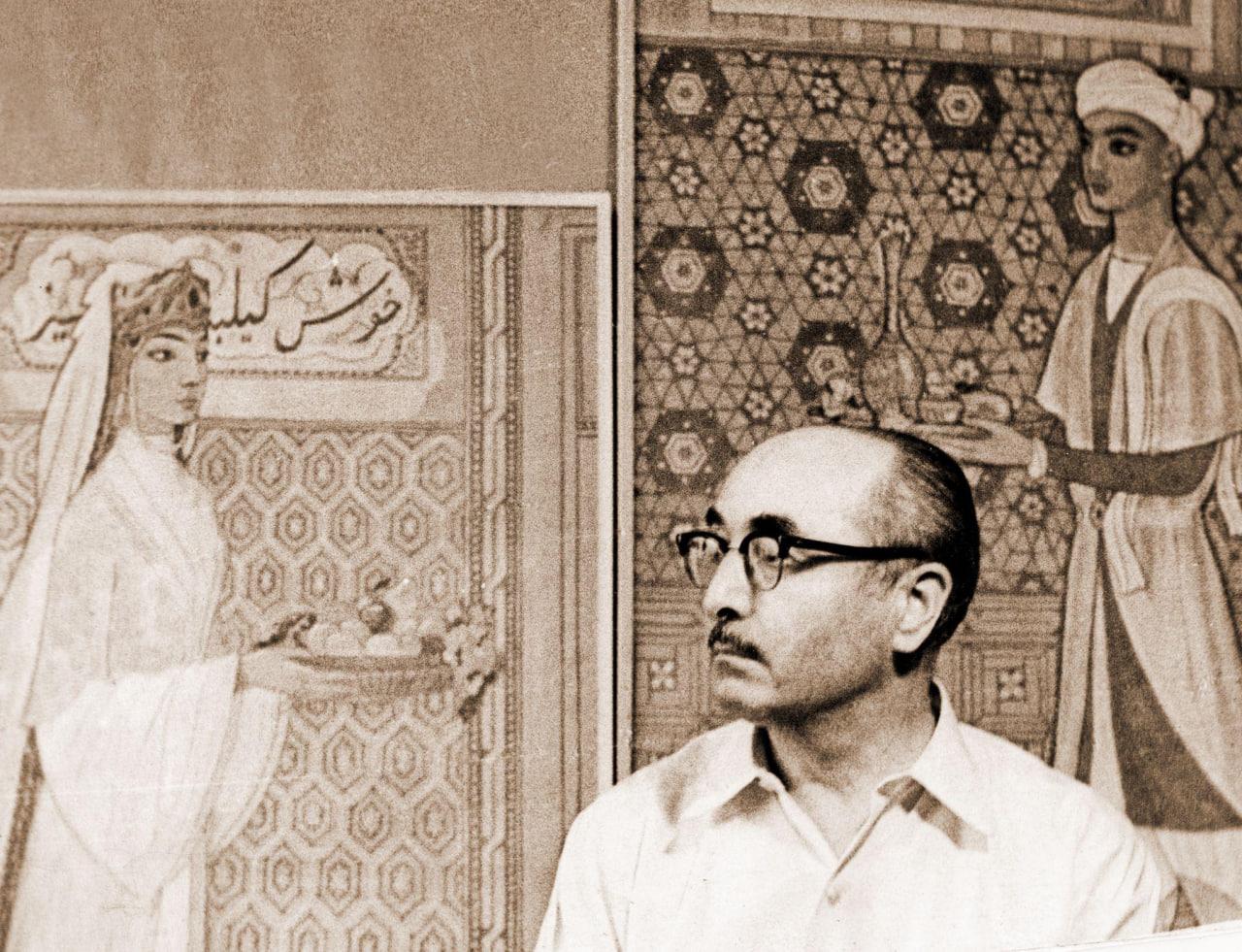
Chingiz Akhmarov in Navoi hall (GABT)
Caption
Usto Tashpulat Arslankulov (GABT)
The theater’s structure, built with reinforced concrete and brick, includes metal trusses for earthquake resistance, ensuring its longevity.
Also, the foyer on the first floor, located along the axis of the vestibule, is adorned with paintings depicting the four muses, each personified as a woman: Dance, Poetry, Music, and Painting. The main foyer on the second-floor features paintings inspired by the themes of Alisher Navoi's works. These monumental paintings were created by the artist Chingiz Akhmarov.
Cultural and artistic significance
Past and present performances
The history of the theater dates back to 1929, when a concert-ethnographic ensemble, led by Mukhitdin Kari-Yakubov, a singer and head of the ensemble, organized a professional theater. Tamara Khanum led the dance troupe.
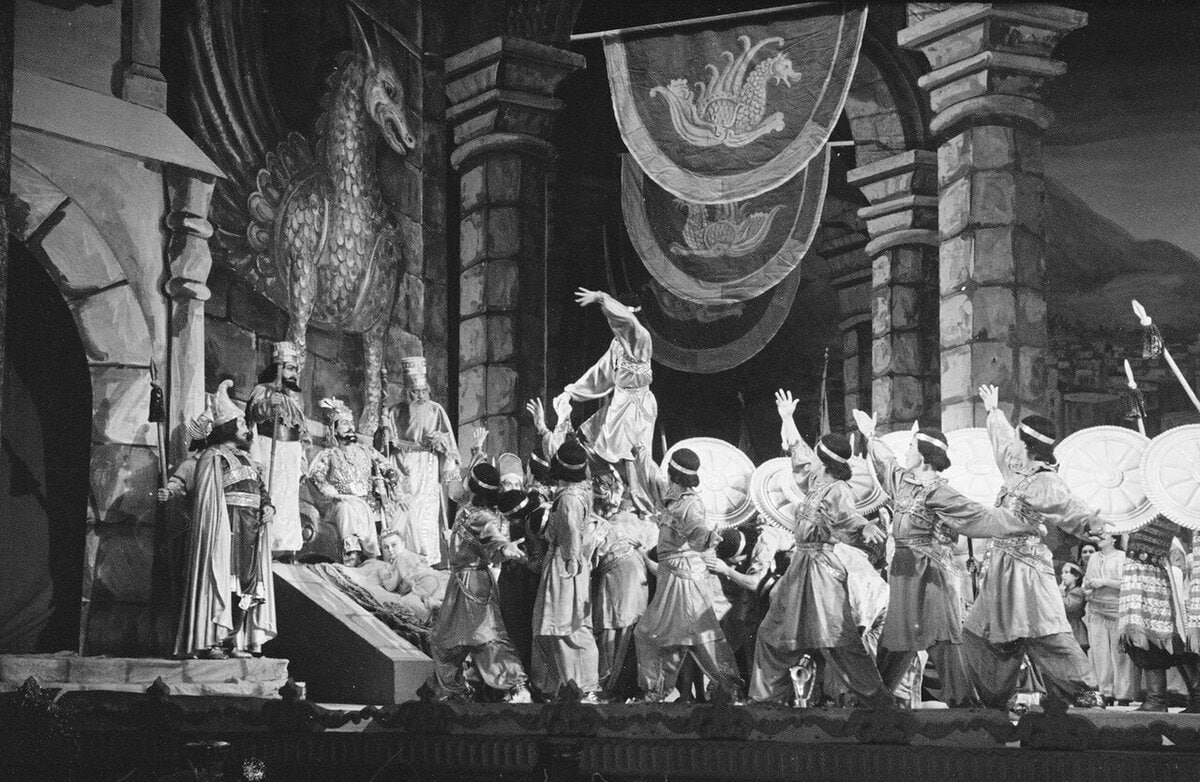
The first premiere of M. Ashrafi's opera Buran took place in 1939, marking a significant moment for the Uzbek musical theater. The premiere of Buran on June 11, 1939, gave a major boost to the development of the national musical theater. Staged by director Emil Yungvald-Khilkevich, the opera was well-received by both viewers and critics. Karim Zakirov and Mikhail Davydov performed the role of Buran, with Khalima Nasirova, Shahadat Rakhimova, Sara Samandarova, and Nazira Akhmedova singing the part of Nargul. The role of the governor-general was played by Mukhiddin Kari-Yakubov.
In March 1948, the theater merged with the Tashkent Russian Opera Theater, named after Ya. M. Sverdlov (founded in 1918), and was renamed the State Opera and Ballet Theater in honor of the poet Alisher Navoi.
During this period, the theater staged operas such as The Queen of Spades and Eugene Onegin by Tchaikovsky, Gulsara by Sadykov and Glière, and ballets including Coppélia by Delibes, Don Quixote by Minkus, The Red Poppy by Glière, and Ballerina by Mushel. In 1959, the theater was granted academic status.
Theatre performances (GABT)
Since 1966, it has been known as the Alisher Navoi State Academic Bolshoi Theatre. In the 1950s and 1970s, the theater’s repertoire expanded significantly.
As one of the three "Grand" theaters in the post-Soviet space (alongside Moscow and Minsk), the Alisher Navoi Theatre upholds a tradition of excellence. Its repertoire includes classical and contemporary operas and ballets, featuring renowned local and international artists.
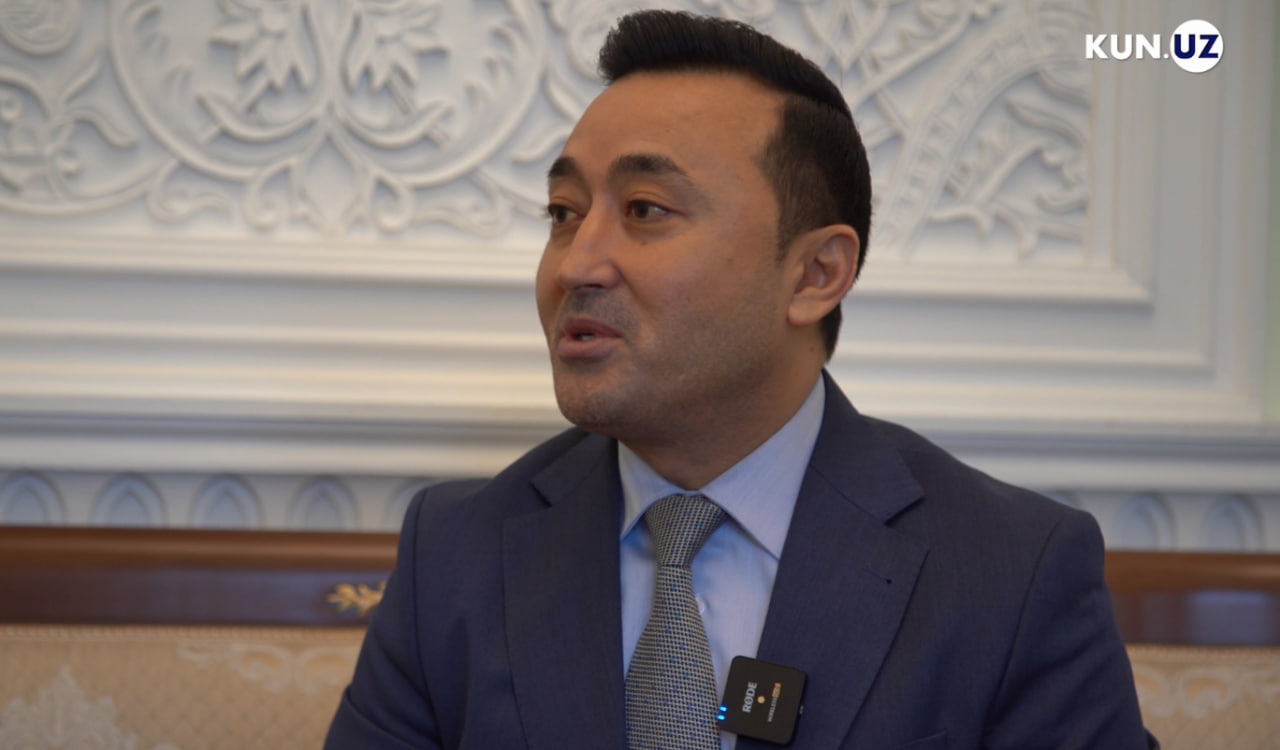
Theater director Ramiz Usmanov highlights the institution’s role in shaping Uzbekistan’s cultural identity:
"This is a unique space with its own atmosphere and etiquette. It serves the people by preserving artistic traditions while embracing innovation. To increase awareness, we must focus on proper marketing and promotion. We have talent, support, and opportunities, but hard work is essential to reach new heights."
Ramiz Usmanov - artist, the head of the theater
Notable productions
The theater’s repertoire includes:
Operas:Lucia di Lammermoor (Donizetti), Faust (Gounod), Aida (Verdi), The Queen of Spades (Tchaikovsky), Carmen (Bizet), Boris Godunov (Mussorgsky), and La Traviata (Verdi).
Ballets:Swan Lake (Tchaikovsky), Giselle (Adam), Don Quixote (Minkus), Spartacus (Khachaturian), and The Nutcracker (Tchaikovsky).
National Works:Tomiris (Musaev), Humo (Ergashev), and Takhir and Zukhra (Djalilov & Brovtsyn).
The Theater Museum
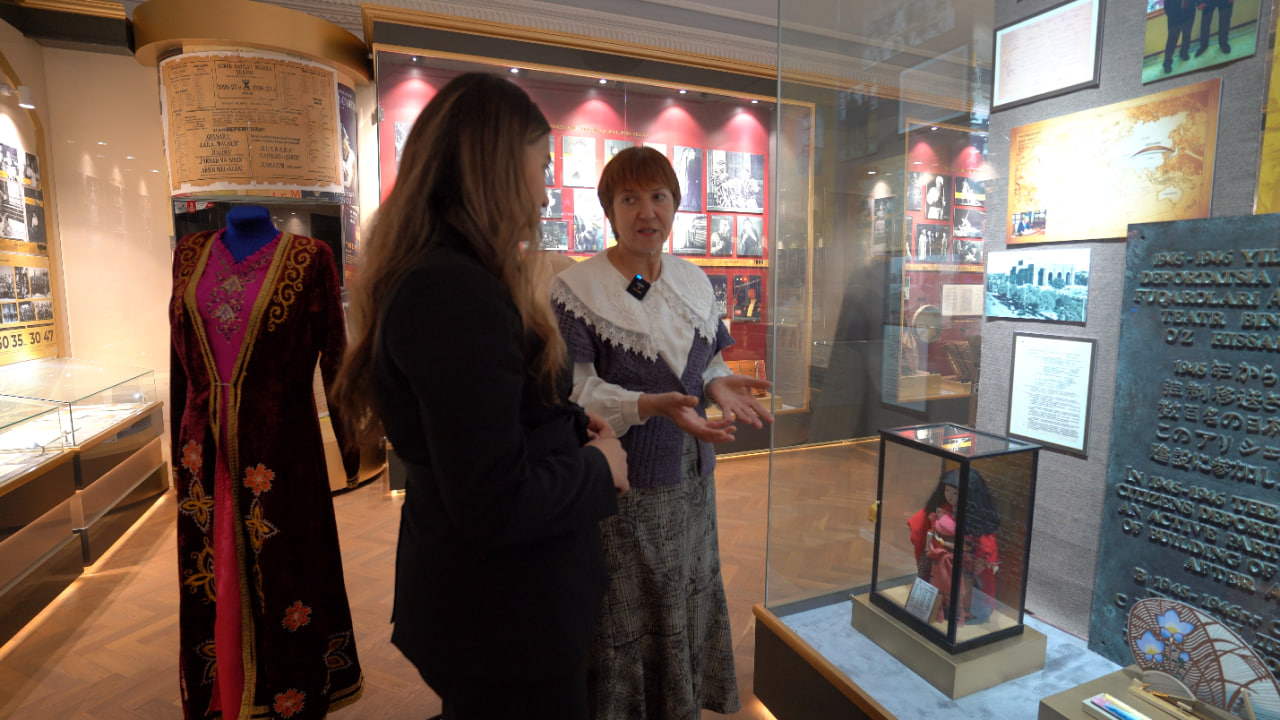
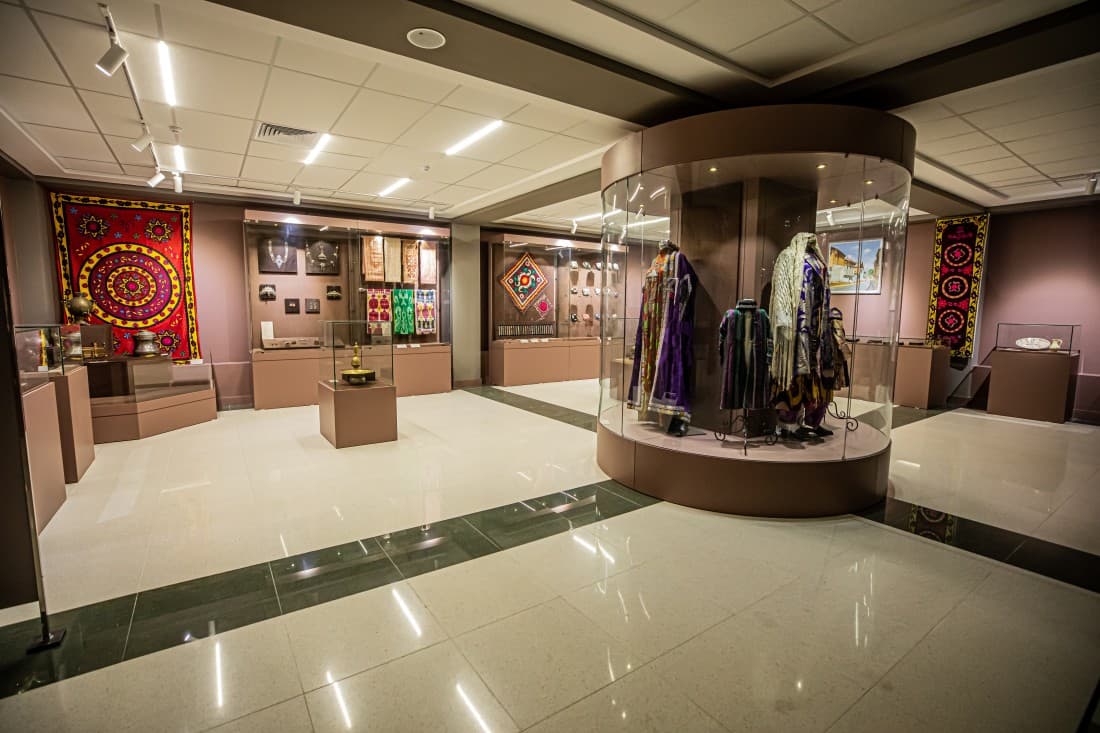
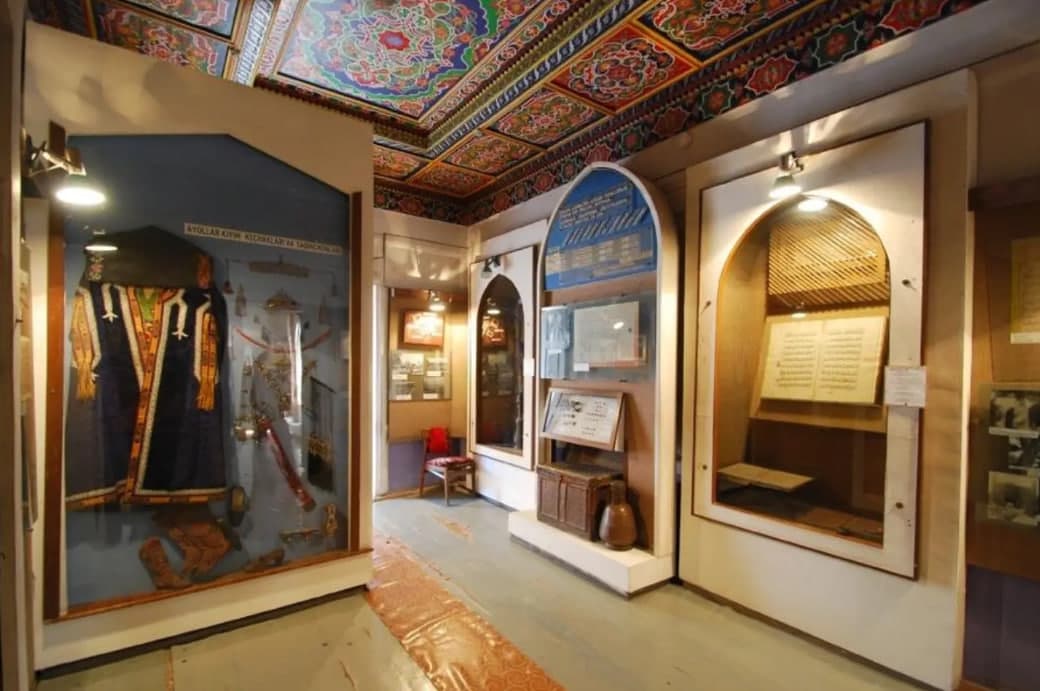
Attached to the theater is a museum housing archival treasures, including vintage posters, costumes, photographs, and documents chronicling the institution’s history. Among the exhibits are the original playbills of the theater’s first performances, offering a glimpse into its rich legacy.
Yulia Seryakova-the head of the theater museum
"Everything that the audience has been experiencing for these several decades is beauty. I truly want people to never lose their respect for the work that created it. They will surely receive a piece of this treasure, which is why people buy tickets, spend their time, and go to the theater. One can sit at home, next to the TV or computer. But the theater will never die; art will never die. It is eternal."
The head of the museum and curator of exhibitions dedicated to the history of the theater, Yulia Evgenievna Seriakova, highlights.
“People need this soulful need, to touch the beautiful, to experience it in a live setting."-she adds.
The theater today
The Alisher Navoi Theatre remains a beacon of culture, regularly staging international and local productions. It continues to foster artistic talent and engage audiences through diverse performances, educational programs, and cultural events.
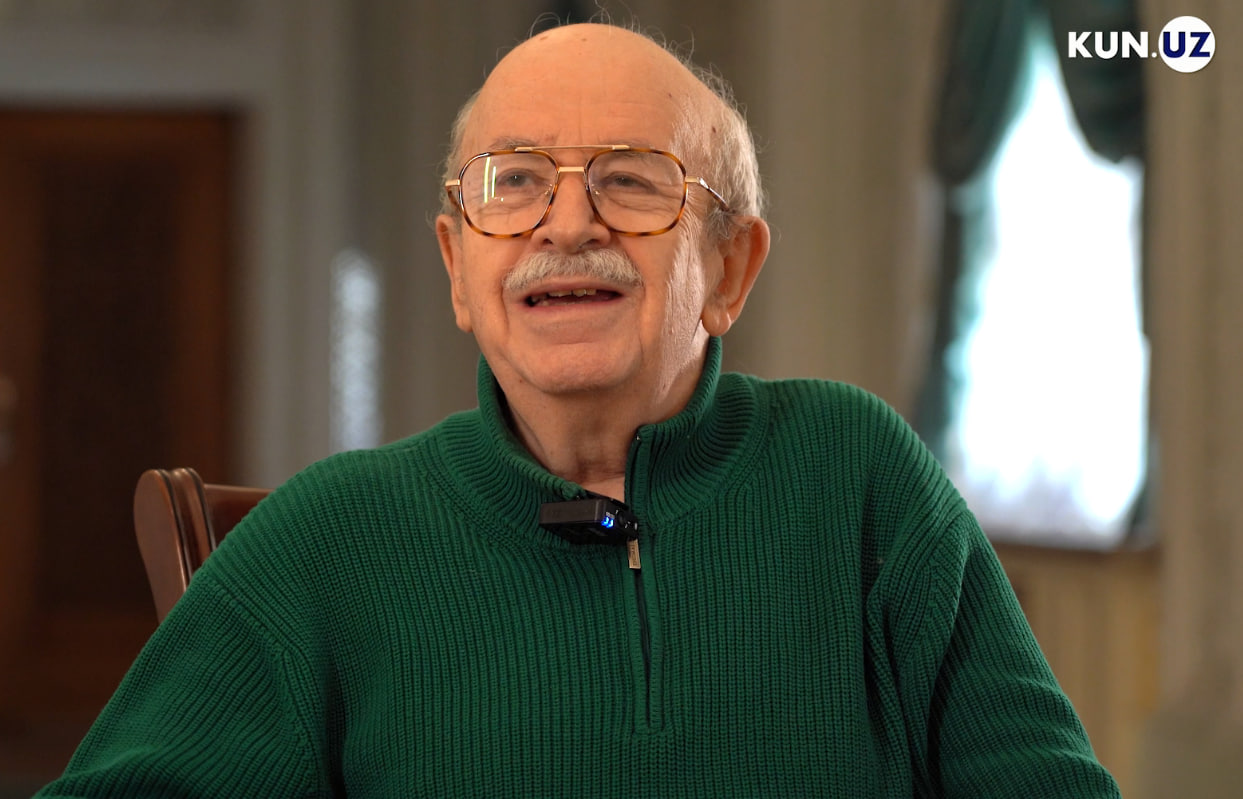
Andrey Slonim-director
Andrei Evseevich Slonim, Director with over 40 years of experience in the Uzbek theater landscape, shares:
"Today, the theater goes through various stages, with times of peak interest and dips in opera popularity. However, despite this, the level of preparation and professionalism of the troupe remains high. Contemporary productions preserve classical traditions while offering a balanced blend of traditional approaches and modern interpretations, allowing the theater to stay relevant and in demand in Uzbekistan's cultural life."
The Alisher Navoi State Academic Grand Theatre stands as a monumental symbol of Uzbekistan’s artistic heritage. This theatre is a prominent vision turned into reality by the hard work of many people who dedicated their lives to artistry and the preservation of Uzbekistan’s cultural heritage. Beyond its historical and architectural significance, it serves as a dynamic cultural hub, preserving traditions while embracing modernity. As a universal language, art unites people across generations, ensuring that the legacy of this grand place endures for years to come.
Interview and article by Aziza Normurodova
Camera operators: Ziyaddin Mammatjonov, Javohir Gayratov
Video editor: Boburmirzo Anvarov