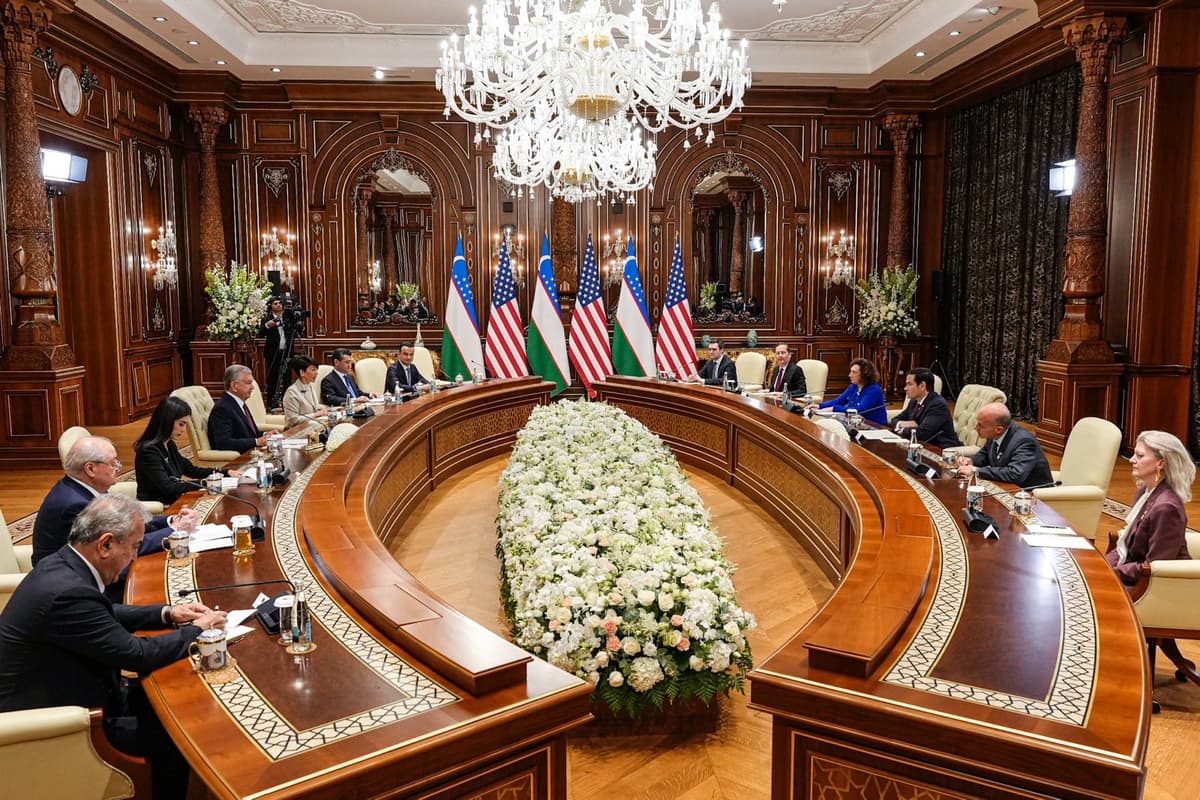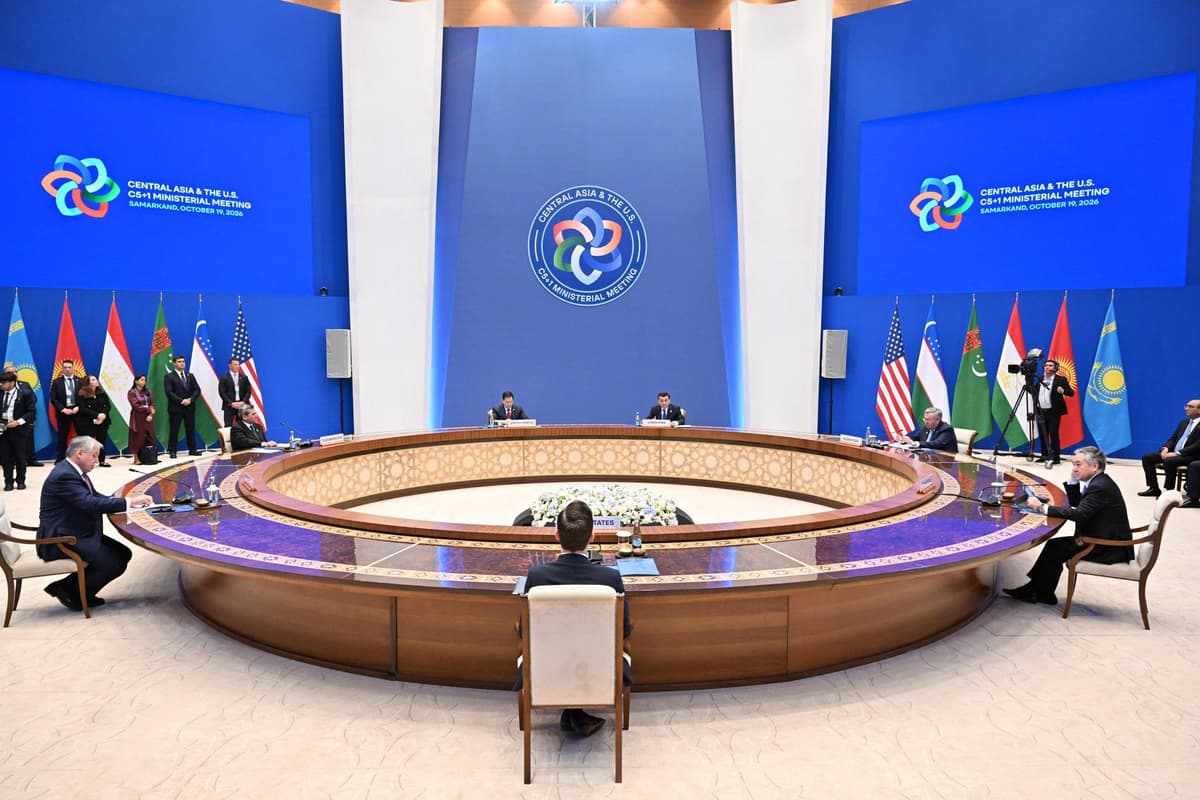
Health ministers and high-level officials from Kazakhstan, Kyrgyzstan, Tajikistan, Turkmenistan and Uzbekistan gathered in Astana to mark the launch and sign a joint declaration pledging to strengthen collaboration and drive forward TB elimination efforts in close collaboration with WHO, the Stop TB Partnership, the Global Fund, civil society and other partners.
The WHO/Europe-led TB-Free CAI will encourage coordinated action among countries, introduce innovations, and strengthen national and subregional capacities, the organization said in a statement.
While the 5 Central Asian countries have made huge progress on TB over the past decade – introducing new treatment regimens and investing in stronger surveillance, the TB-Free CAI will turbo-charge their efforts to help end TB in the subregion by 2030.
This will entail:
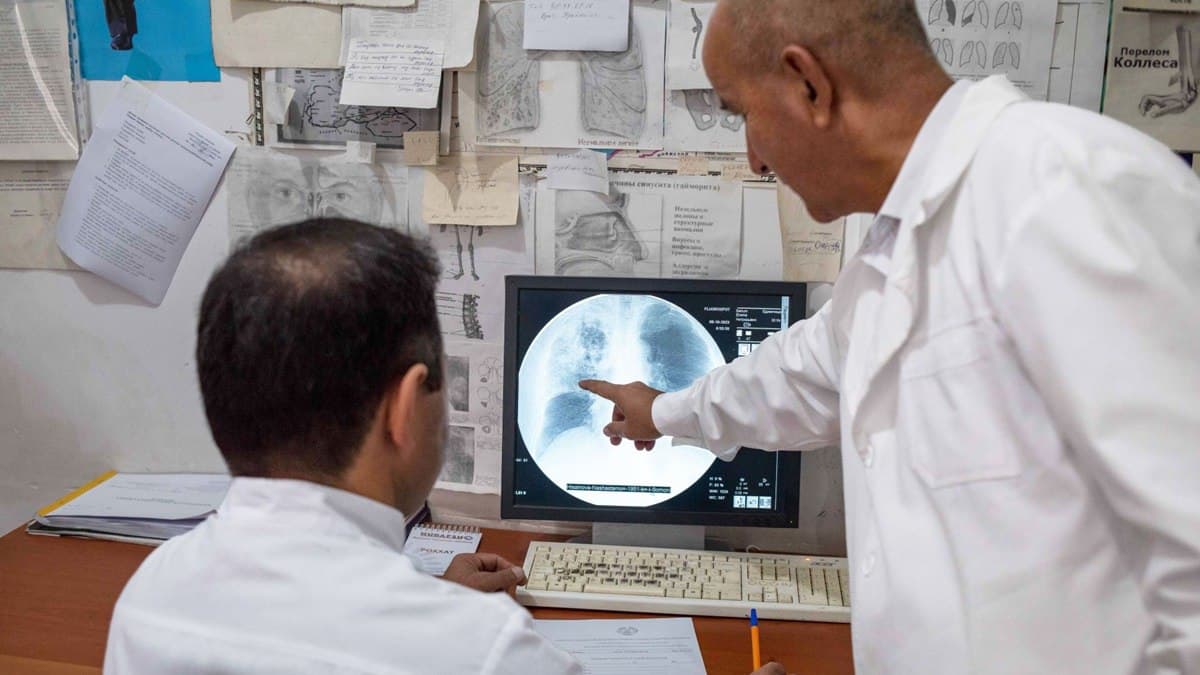
- ensuring at least 95% of new and relapsed TB cases are tested using WHO-recommended rapid diagnostic tests; all 5 countries in the subregion have transitioned to using these rapid tests;
- scaling up of shorter oral-only treatment regimens for DR-TB, ensuring a treatment success rate of 85% or higher;
- accelerating the distribution and uptake of new and innovative TB vaccines, when they become available;
- embedding TB control and treatment into the primary health care systems of each country, with the WHO European Centre for Primary Healthcare in Almaty, Kazakhstan, playing a crucial leadership role.
“We stand at a pivotal moment in ending TB in Central Asia, where we must build on our gains and take up truly amazing advances in medicine to propel us towards the finish line. This landmark subregional initiative will serve as a model for other countries both in the WHO European Region and beyond that are facing a significant or growing TB burden, providing opportunities for cross-border collaboration at a time when it’s needed more than ever,” said Dr Hans Henri P. Kluge, WHO Regional Director for Europe.
The initiative builds upon existing global commitments, including the 2023 Political Declaration of the second United Nations General Assembly High-level Meeting on TB, which sets ambitious global targets for 2023–2027 and emphasizes a subregional approach to addressing TB challenges. It also aligns with the aspirations of the second WHO European Programme of Work (2026–2030), which identifies the elimination of TB and DR-TB as a health security priority. With measurable progress anticipated by 2027, the TB-Free CAI will offer a structured framework for the 5 Central Asian countries to assess and enhance their efforts to eliminate TB.