It was emphasized that in recent years, Uzbekistan has been implementing systematic reforms aimed at increasing transparency and openness in public procurement, and ensuring that tenders are conducted competitively. The transition to an electronic tender system has made it possible to carry out procurement processes online, reduce costs, and combat corruption. The adoption of the Law “On Public Procurement” has aligned the tender processes with international standards, introduced open forms of competition, restricted the use of direct contracts, and created a legal basis for registering related and affiliated parties involved in tenders.
To ensure transparency, plans for all tenders, their outcomes, and contract prices are being published in the media, which enables public oversight and monitoring of this sector.
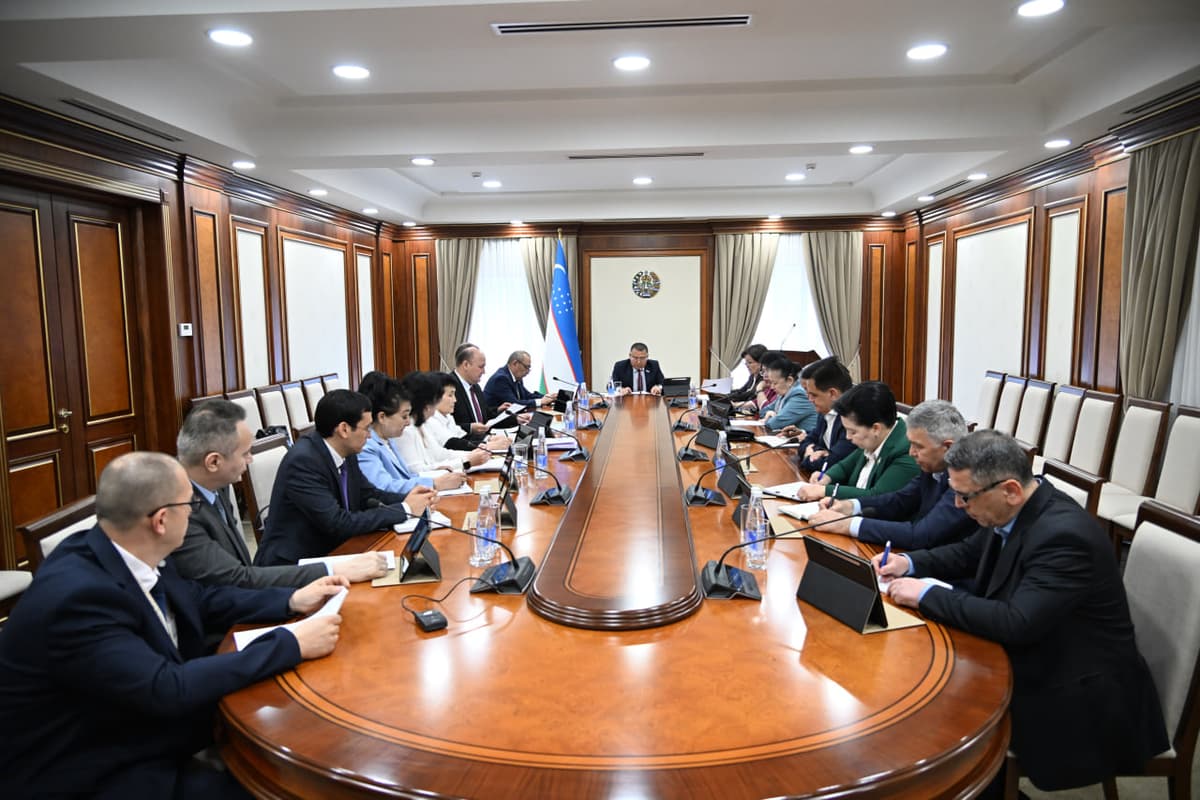
During the discussion, deputies acknowledged the growing public interest in how state funds are spent, as well as the increasing civic oversight over public procurement. The widespread discussion on social media about overpriced, unjustified, or potentially corrupt government purchases by state agencies, ministries, local administrations, or state-owned entities was cited as evidence of this shift. According to parliamentarians, increased competition in tenders could lower prices by 20–30% and ensure more efficient use of budget funds.
The discussion also focused on the need to improve the legislative framework regulating public procurement. Participants noted the positive impact of the updated Public Procurement Law, other regulatory acts, and recent amendments to the Administrative Responsibility Code that introduced penalties for violations of procurement legislation.
However, the meeting also included a critical review of remaining shortcomings in public procurement. Violations such as inefficient use of funds, lack of competition and impartiality in tenders, and instances of corruption were raised. Deputies expressed concern over cases where procuring agencies bypassed competitive methods by signing direct contracts illegally, inflating prices, splitting purchases to avoid scrutiny, and failing to adhere to principles of transparency.
Audits conducted by the Accounts Chamber uncovered violations of procurement regulations and other legal requirements in deals worth a total of 5.4 trillion UZS. Moreover, information about contracts worth 3.6 trillion UZS had not been published on the official public procurement portal.
Analysis showed that as of 2024, 56.8% of public procurement (equivalent to 80.3 trillion UZS) was carried out through direct contracts. Of these, 55.2% were made by budgetary entities and 58.7% by corporate buyers. In total, 6,241 direct contracts worth 2.7 trillion UZS were concluded in violation of procurement laws. Furthermore, 405 contracts worth 122.8 billion UZS signed by 61 procuring entities were found to involve conflicts of interest or participation by affiliated parties, violating legal norms.