Green goals: How can Uzbekistan prepare its youth for a clean economy?
|20:46 / 08.05.202542,53816 min
By 2030, Uzbekistan aims to increase the share of renewable energy in total generation to 54 percent. This target is considerably more ambitious than the earlier projection of 40 percent, set in the 2030 agenda last year. The growing population and the resulting increase in energy demand are driving the country to expand renewable energy production.
It is expected that the electricity consumption in Uzbekistan will reach 121 billion kilowatt-hours by 2035 and traditional methods of energy production cannot meet this demand. The country has no choice but to go green. However, this shift requires qualified specialists to ensure the successful implementation of projects launched with international organizations and renewable energy giants. Does Uzbekistan have enough such talent? What steps should the country take to prepare its youth for the clean energy jobs of tomorrow?
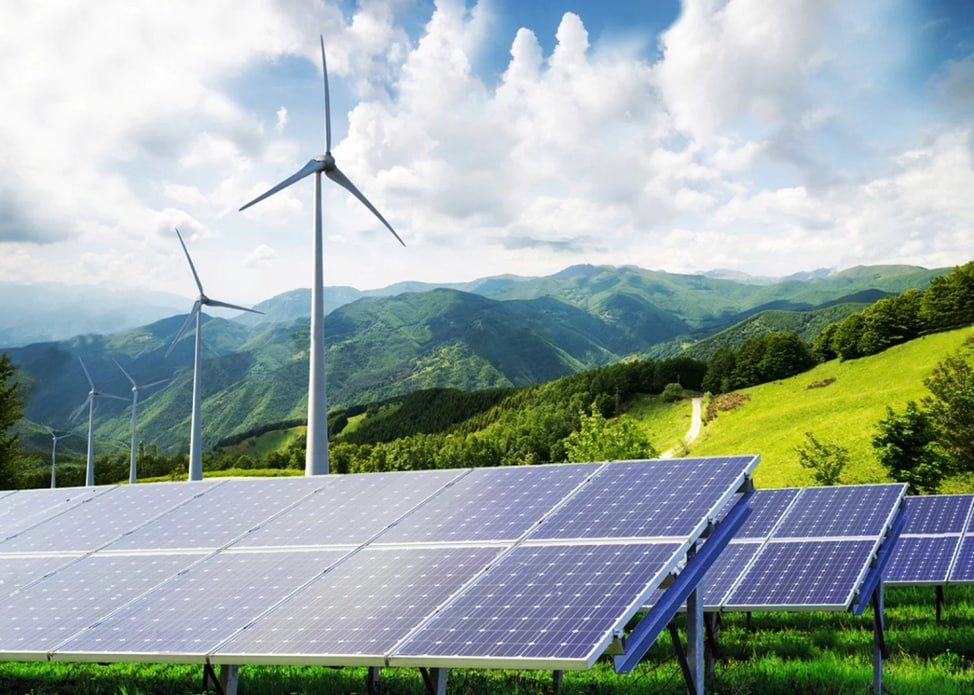
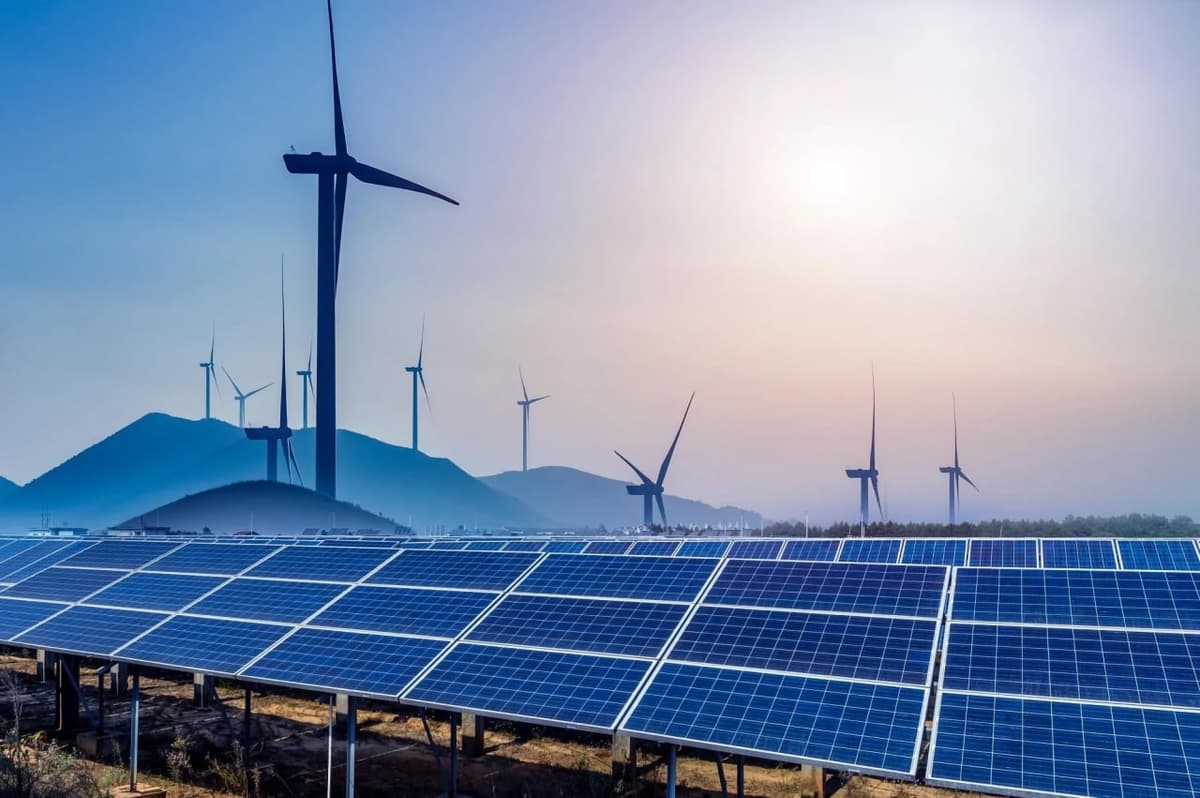
Illustrative image | Avaada
Renewable, green, and clean energy – what do they mean?
Before examining employment statistics in the industry, let’s define the terms "renewable," "green," and "clean" energy.
Renewable energy is any energy source that constantly replenishes itself over a relatively short time frame. It is considered virtually inexhaustible, meaning the method used to produce electricity never runs out.
Green energy is any form of energy that comes from natural sources, such as wind, sunlight, or water.
Clean energy, on the other hand, is any energy source that emits negligible pollution, greenhouse gases, or chemical contaminants. These sources have minimal or zero impact on the surrounding environment, which makes them ideal for the long-term survivability of the planet.
World energy employment
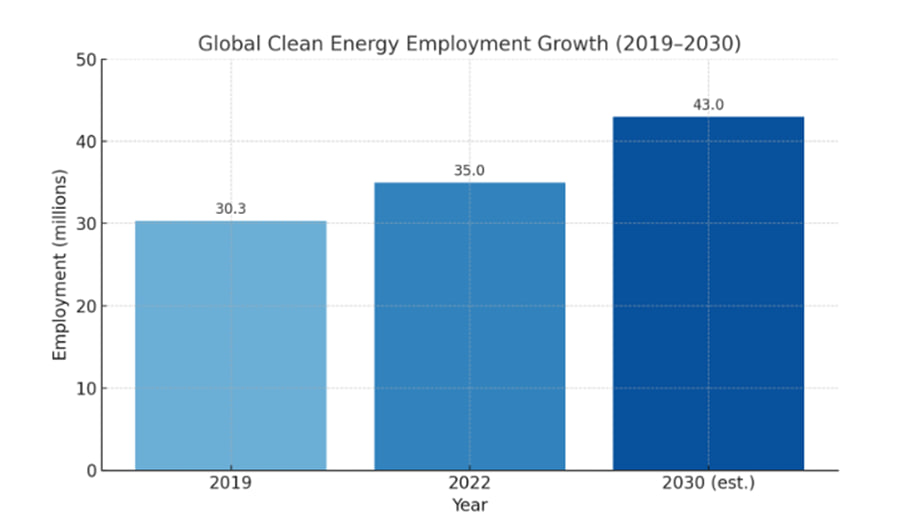
According to the World Energy Employment 2023report, employment in the clean energy sector reached 35 million workers in 2022, up by 4.7 million compared to 2019 pre-pandemic levels. During the reporting period, clean energy jobs were the major driver of energy job growth in almost all parts of the world. The International Energy Agency expects that there will be 8 million more clean energy jobs available in the market by 2030.
Related topics
The number of renewable energy jobs, which is part of the clean energy industry, stood at 16.2 million in 2023, jumping from 13.7 million in 2022, according to the International Renewable Energy Agency (IRENA).
Employment in renewable energy sector is growing, but the skilled labor force is not keeping pace with increasing demand.
So far, Uzbekistan may not have felt the impact of this shortage, as the share of renewable energy in total generation was only about 10 percent in 2023. However, as the country plans a significant transition to alternative energy in the coming years, the issue will become unavoidable.
How can Uzbekistan address the skilled labor shortage in the renewable energy sector? Let’s review nine potential measures the country can adopt:
1. Introducing specialized academic programs
More universities must offer degree programs focused on renewable energy engineering, solar and wind technologies, and sustainability science. Currently, Tashkent State Technical University, Kimyo International University in Tashkent, and the Tashkent branch of Russia’s National Research University 'MEI' are already moving in this direction, but their capacity is limited. As the number of projects related to renewable energy sources (RES) grows, so too must the talent pipeline.
Additionally, modern RES technologies require digital skills. So, more academic programs should be available for computer engineers, programmers, and other relevant specialists.
2. Developing vocational training and certification centers
Energy companies and public training centers should develop short-term programs to equip electricians, engineers, and technicians with skills for roles in solar panel installation, wind turbine maintenance, and grid integration.
Additionally, energy firms could offer internships for students from relevant academic backgrounds or send their specialists to training centers to conduct month-long courses for young specialists.
3. Launching international education partnerships
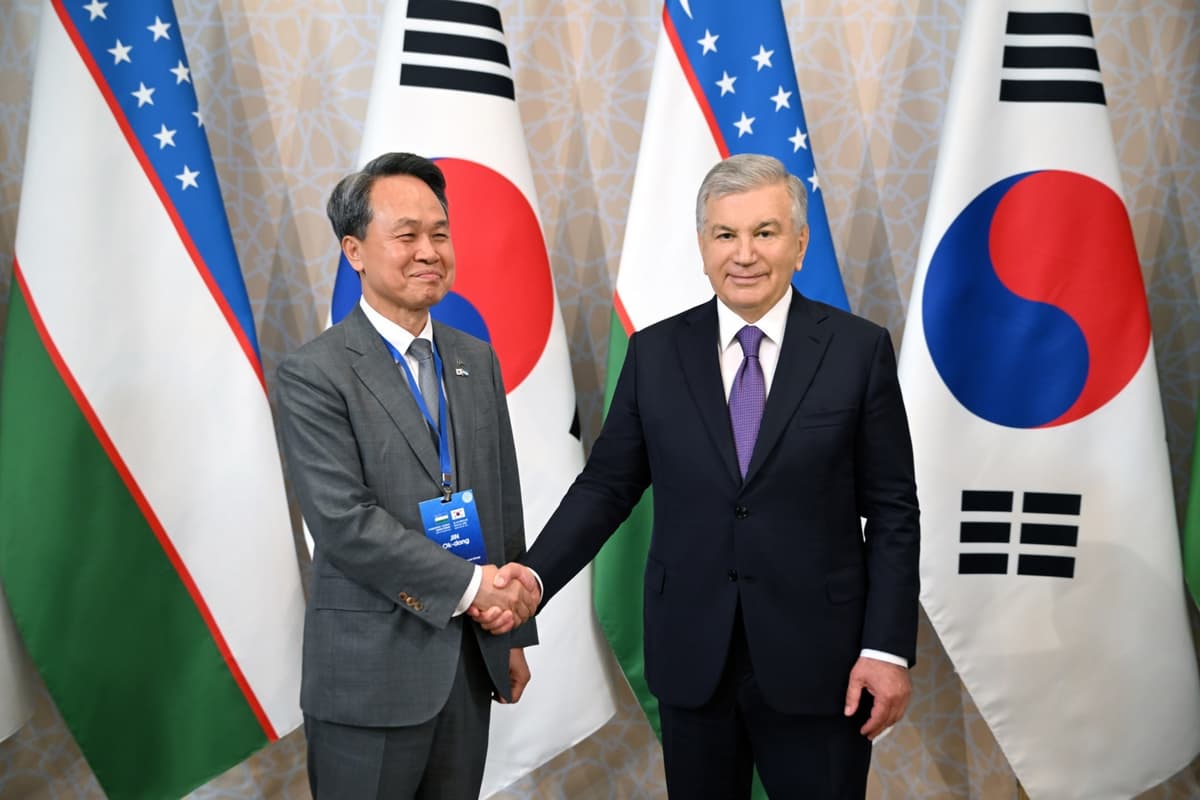
Universities in Uzbekistan should pursue partnerships with higher education institutions in countries like Sweden, Germany, China, and South Korea, which have strong records in renewable energy projects.
These collaborations could include bilateral exchange agreements, co-funded scholarship programs, or dual-degree arrangements. For example, engineering students from Uzbekistan could spend a semester at a solar research institute in Germany or attend wind energy training in South Korea. Upon returning, they would help localize international standards and raise the overall competence level in Uzbekistan’s renewable energy sector. They may even pave the way for joint research initiatives, industry-academia collaborations, and foreign investment in workforce development.
4. Incentivizing STEM education in high schools
Promoting science, technology, engineering, and math (STEM) education early on is important. Schools may offer grants, organize competitions, or arrange mentorship programs to motivate students to pursue careers in fields relevant to RES.
In 2021, the Asian Development Bank (ADB) and Uzbekistan’s Ministry of Public Education (now the Ministry of Preschool and School Education) signed a $100 million memorandum to develop STEM education in schools across Uzbekistan, particularly in grades 7–11. According to the ministry, the funds "will be directed to improve existing standards of curricula and textbooks in STEM subjects, facilitate training and retraining of teaching staff." Also, within the project implementation time frame, which runs through 2030, the ministry will purchase "necessary equipment for schools, reconstruct school buildings and develop educational technologies."
Such collaborations are highly effective. The ministry, in partnership with school leadership, could allocate scholarships from these funds to reward students for outstanding performance in STEM subjects.
5. Upskilling existing energy sector workers
Engineers and technicians from the fossil fuel sector can be retrained to work in renewable energy. According to the International Energy Agency (IEA), "Half of workers in fossil fuel sectors who face redundancy risks this decade have skills demanded by growing clean energy sectors. Many of these workers could switch into new roles with around four weeks of additional dedicated training."
By building on the technical background of fossil fuel workers, Uzbekistan can quickly mobilize a transition-ready workforce. There are several thousand people working in the country’s oil and gas sector. However, as Uzbekistan is actively reducing gas production, the number of workers in this sector may decline over the next five years. Instead of dismissing them, companies should retrain these specialists for roles in renewable energy sources.
6. Promoting career awareness campaigns
The government, in collaboration with educational institutions and the private sector, should launch nationwide awareness campaigns featuring real-life success stories of young engineers, solar technicians, wind farm operators, and energy entrepreneurs. These campaigns can be in the form of social media posts, interactive exhibitions, TV programs, or even workshops at high schools and universities.
Many young people still associate energy-related jobs mainly with traditional fields like oil, gas, and electrical utilities. This perception needs to change if Uzbekistan wants to meet its renewable energy targets. Students should understand the societal value of helping mitigate climate change, ensuring energy security, and contributing to national development.
7. Preparing youth to collaborate with diverse international partners
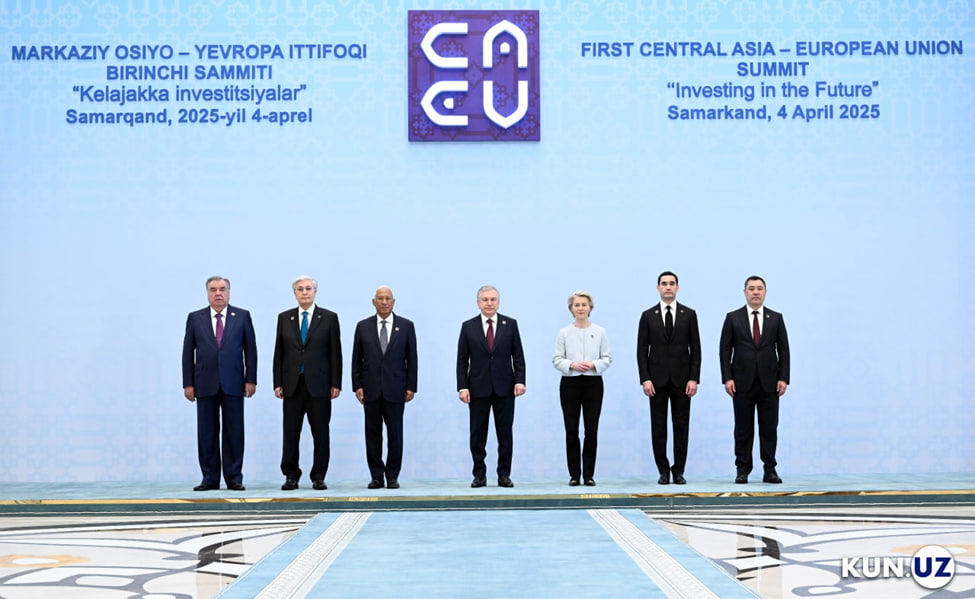
Uzbekistan needs to prepare its youth to work with companies and institutions from a variety of countries – not just a single partner. Most current projects involve companies from China, Saudi Arabia, and the UAE. However, the European Union is also becoming a major player. Through the SECCA initiative and a newly announced €12 billion investment package, the EU is supporting clean energy development, education, and inclusive workforce training in Central Asia.
Central Asia-EU summit in Samarkand, April 4, 2025 | Kun.uz
In order to benefit from this growing cooperation, students in Uzbekistan should be exposed to European technical standards, safety protocols, and project management practices. It will help youth develop the intercultural competencies and adaptability needed to work effectively in multinational teams and reduce reliance on a single country’s model.
8. Supporting green startups
The government should expand the number of incubators and accelerators focused on clean technology to support renewable energy sources. Such hubs will provide early-stage entrepreneurs with technical equipment, business development support, and connections to investors and mentors. Priority areas might include off-grid solar solutions for rural areas, energy-efficient building technologies, battery storage systems, and digital tools for energy management.
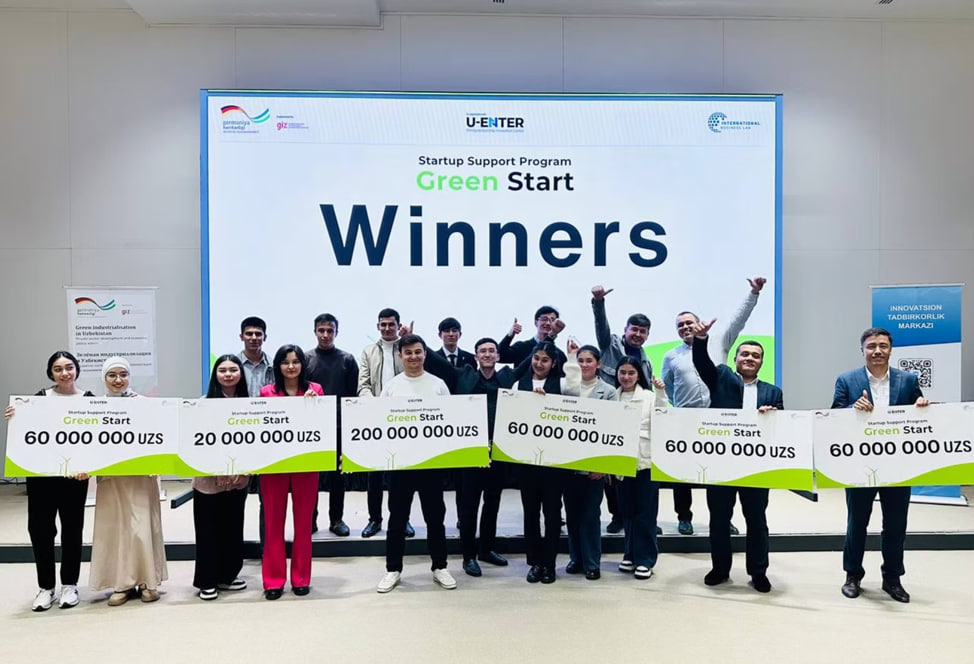
For example, the U-Enter innovation center, in collaboration with GIZ's "Green Industrialization in Uzbekistan" project, launched the Green Startup Support Program in 2024.
The program provided participants with the opportunity to:
Secure a grant of up to €30,000.
Accelerate their startup projects.
Receive follow-up support from the organizers.
"Green Start" Startup Support Program | U-Enter Innovation Center
More such support will lead to more realized startups.
9. Closing the gender gap in the renewable energy workforce
In the energy sector, especially in technical and leadership roles, women are significantly underrepresented. To unlock the full potential of the workforce, the government can implement gender-responsive strategies in its energy education, training, and employment initiatives. This could include setting targets for female participation in renewable energy degree programs, offering scholarships specifically for women in STEM, and encouraging companies to adopt inclusive hiring practices.
Additionally, workplace policies in the energy sector must support work-life balance, parental leave, and safe working environments to attract and retain women in technical and field-based roles.
Some companies are already taking steps to address these challenges, setting a model for others to follow. In early March this year, for example, ACWA Power Uzbekistan held the Women’s Power forum for the second consecutive year. The event provided a platform to discuss increasing women’s participation in traditionally male-dominated fields, such as renewable energy.
Women’s Power 2025 Forum, March, 2025 | ACWA Power press service
Delivering a speech at the forum, Olga Pak, Head of Human Resources and Corporate Culture at ACWA Power Uzbekistan, noted that, "Women make up 14% of our workforce, with 20% holding leadership positions. We are committed to increasing these figures by supporting women through education and career opportunities. At the Shirin Energy College (Syrdarya), which we fund, 26% of students are now female."
More such forums and relevant initiatives would further boost women’s involvement in RES projects.
Why it matters now more than ever
In April 2025 alone, Uzbekistan launched or signed several deals for multiple large-scale RES projects:
ACWA Power commissioned two wind power plants in Bukhara with a total capacity of 1 GW.
An investment agreement was signed with SANY Renewables International Investment Co., Ltd. for the construction of a 1,000 MW wind power plant in Karakalpakstan.
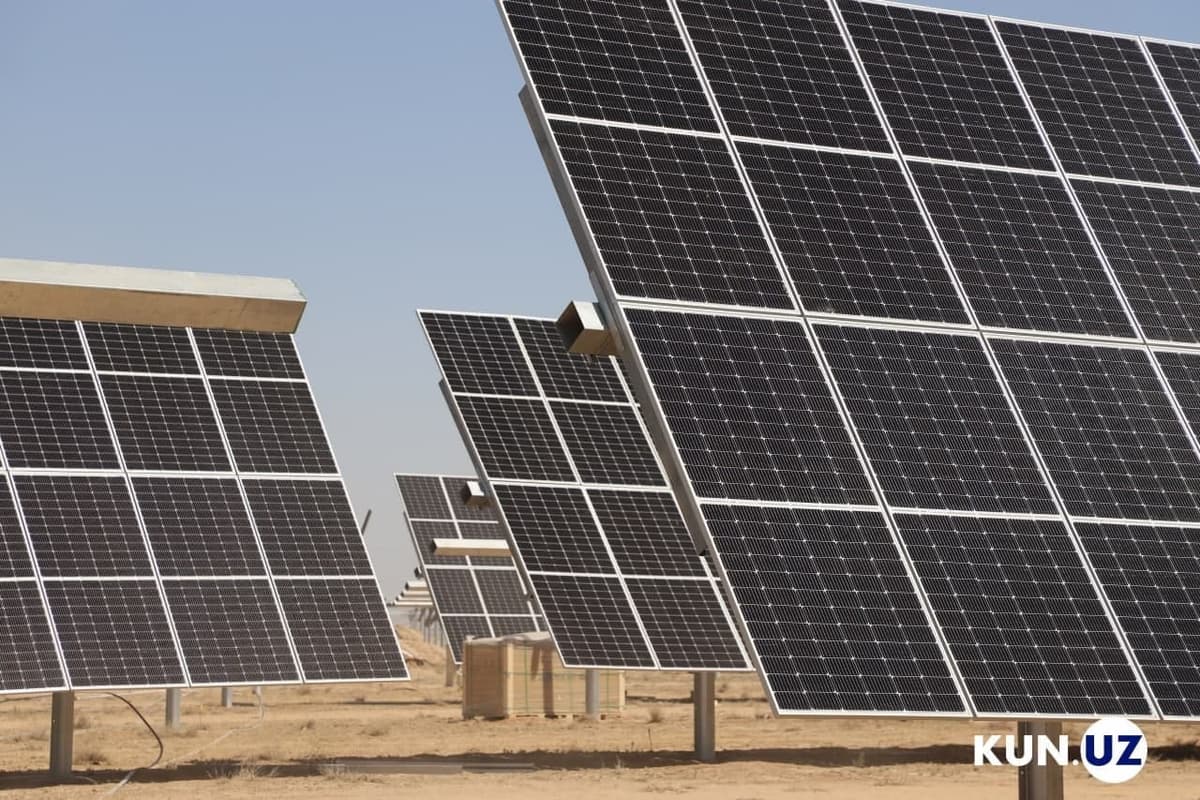
Two Chinese companies jointly established Huadian Jizzakh Solar Power LLC to construct a 500 MW solar power plant in Jizzakh.
Plans were revealed to build 2,983 micro hydropower stations with a combined capacity of 167 megawatts in 2025-2026.
These are all part of Uzbekistan’s "going green" projects and they require skilled specialists. Instead of bringing experts from abroad to run these projects, Uzbekistan needs to upskill its youth, provide them with jobs in the clean energy sector, and reduce unemployment among graduates.
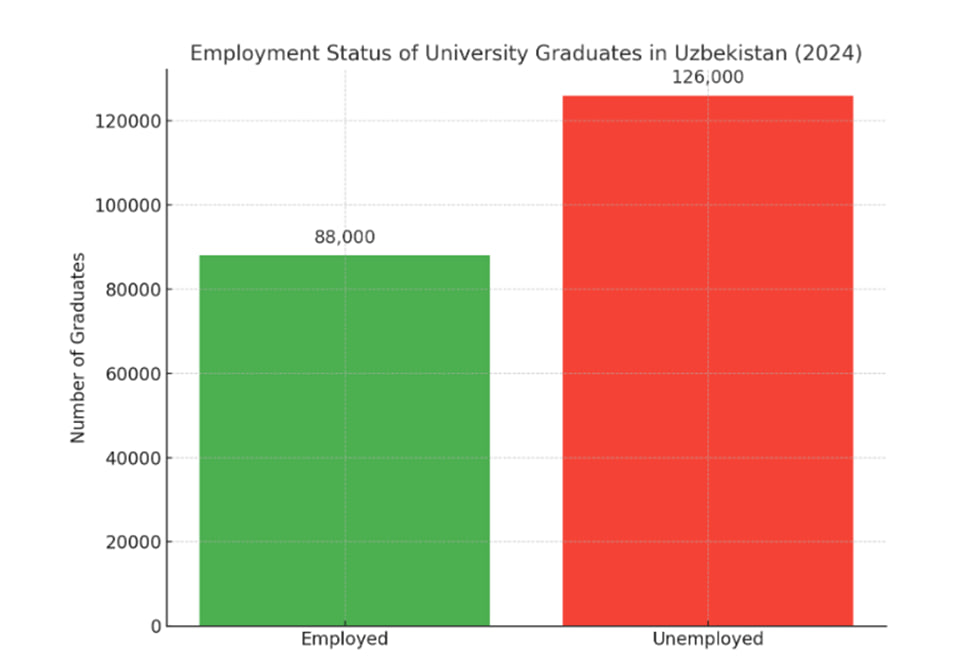
In 2024, only 88,000 (41%) of the 214,000 higher education graduates found employment within two months, according to the latest available data. 126,000 (59%) young specialists remained unemployed. This is a huge loss. The government should ensure that youth are actively engaged in academic programs with focus on future jobs, including green energy professions.
Conclusion
Uzbekistan is now on its way toward a sustainable energy future. The country can build a skilled workforce to meet its renewable energy targets by investing in specialized education, vocational training, international partnerships, and gender-inclusive policies. Equipping the next generation with the skills to power a greener tomorrow is both a necessity and a promise for a better future. The government should prioritize these measures in its 2026 budget.