





Additional features
-
Night mode

Inflation expectations in Uzbekistan drop sharply in June
According to a Central Bank survey, inflation expectations among the population continued to decline in June, influenced by fewer mentions of currency fluctuations and more frequent references to rising wages and benefits.
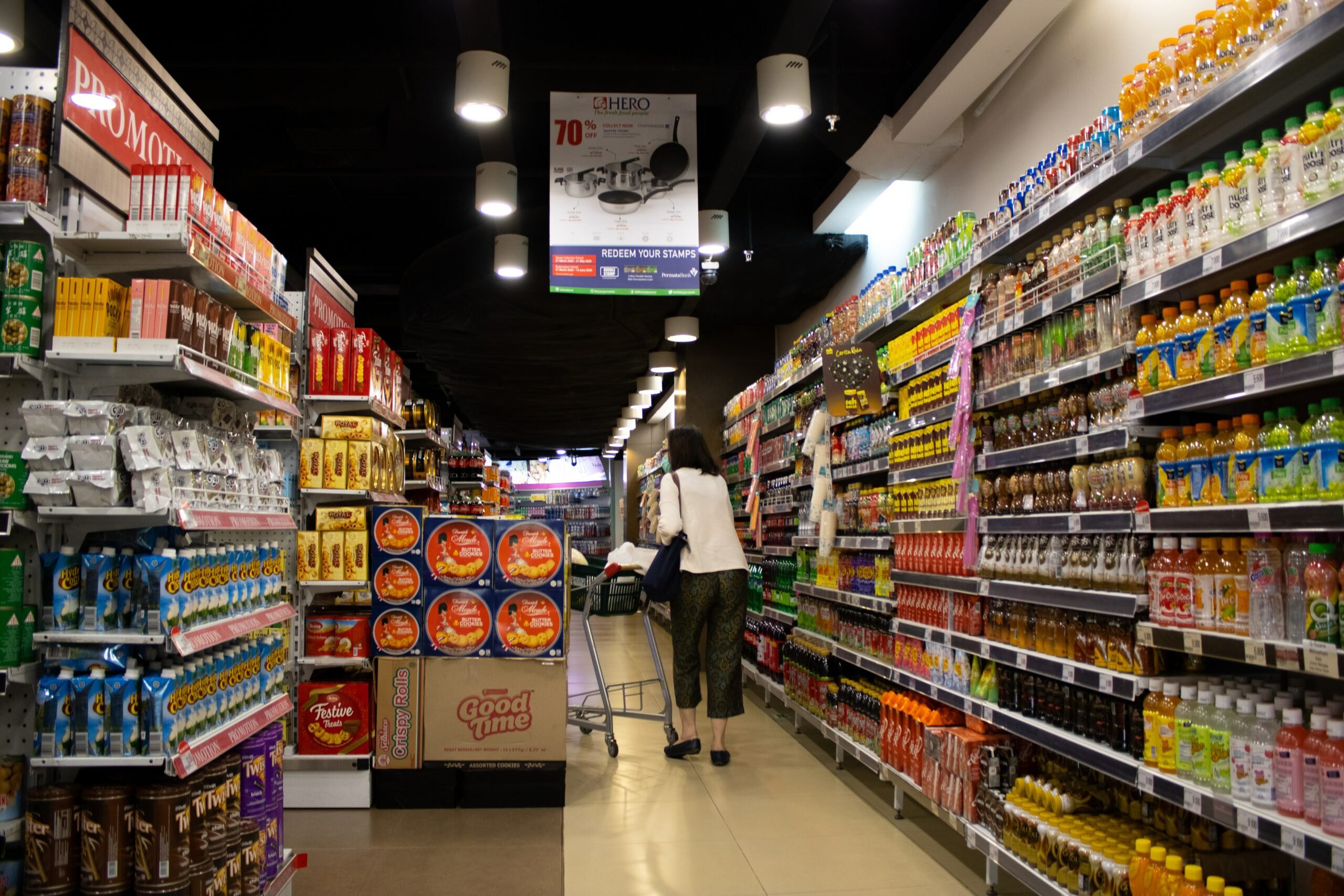
The average expected price increase over the next 12 months was 13.2%, the lowest since last October and 0.5% below May’s level. The median expectation dropped slightly by 0.1% to 11%.
Residents of the capital, Tashkent, reported the highest expected inflation rate at 15.2%, followed by Samarkand (14.1%) and Surkhandarya (14%). More optimistic outlooks were observed in Navoi and Namangan regions (both 12%) and Syrdarya (12.1%).
Among professions, industrial workers (15.6%), transport sector employees (15.1%), and students (14%) had the highest inflation forecasts. Lower expectations were noted in trade (11.1%), tourism (11.6%), and household services (12.3%).
Expected inflation decreased across all income groups. Those earning over 15 million UZS per month reported an average expectation of 15.1%, followed by individuals without personal income (14.9%) and those earning 7–10 million UZS (14.2%). The lowest expectations were among those earning up to 3 million UZS (12.2%).
The primary factor influencing forecasts remains rising utility tariffs, cited by 50% of respondents, followed by increasing energy costs (45%). Rising wages and benefits emerged as the third most significant factor (35%). Currency fluctuations fell to fifth place (27%), overtaken by transport costs (30%).
Among entrepreneurs, average inflation expectations dropped to 11.8%, down over 1% to a near one-year low. The median expectation was 10.3%, a 0.5% decrease.
Tashkent led entrepreneurial inflation forecasts at 13.6%, surpassing Samarkand (12.8%) and Syrdarya (12.6%). The lowest expectations came from entrepreneurs in Karakalpakstan (10.4%), Bukhara (10.5%), and Fergana (10.8%).
By sector, the highest inflation expectations were in education (13.4%), transportation (12.9%), and catering (12.3%). Conversely, businesses in medicine, culture, and tourism reported the lowest expectations, slightly above 10%.
Similar to households, entrepreneurs cited rising utility tariffs (47%), energy prices (43%), and wage increases (33%) as key factors, followed by transport costs (32%) and currency fluctuations (31%).

Related News
21:15 / 29.06.2026
Experts propose raising Uzbekistan's minimum wage to 40% of median salary by 2030

15:45 / 29.06.2026
Central Bank of Uzbekistan increases gold holdings to 414 tonnes amid global reserve build-up
15:25 / 29.06.2026
Central Bank Chairman Timur Ishmetov urges increased readiness for external shocks
16:53 / 26.06.2026