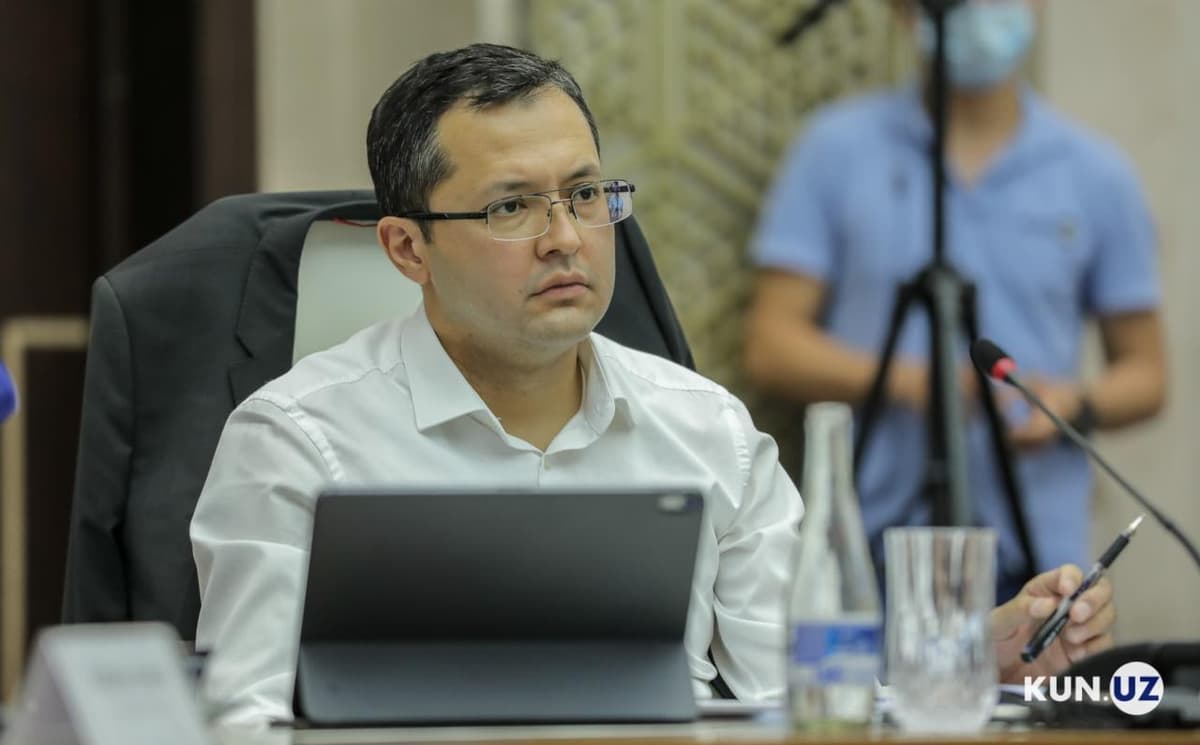
According to the Central Bank chief, the global economy has repeatedly faced highly improbable tail-risk events over recent years. As a result, relying solely on traditional forecasting models is no longer sufficient for designing resilient monetary policy frameworks.
"Today, it is no longer enough to focus exclusively on baseline inflation or economic growth projections," Ishmetov noted. "Analyzing alternative scenarios, including the most adverse developments, has become increasingly critical."
While maintaining that the primary objective of central banks remains ensuring price stability and hitting inflation targets, Ishmetov pointed out that modern risk management systems must adapt to the heightened volatility seen in international markets. Regulators are tasked with designing policy models capable of responding effectively even if negative scenarios materialize, ultimately strengthening economic resilience against external shocks.
Ishmetov also highlighted the necessity of deepening international collaboration among regulatory bodies. Against a backdrop of accelerating fragmentation within the global economy, he noted that sharing experiences, conducting joint research, and maintaining open dialogue are more valuable than ever.
"Amid the growing fragmentation of the global economy, we must do the exact opposite – strengthen our dialogue, expand the exchange of experience, and intensify cooperation," Ishmetov declared.
He added that contemporary challenges – ranging from inflation and structural economic shifts to the transformation of financial markets and altered monetary policy transmission channels – are inherently global and require collective action.
"The world is becoming increasingly complex, and no single central bank has all the answers," Ishmetov concluded. "Policymakers need deep research, researchers need practical insight, and countries must learn from both the successes and the mistakes of one another."
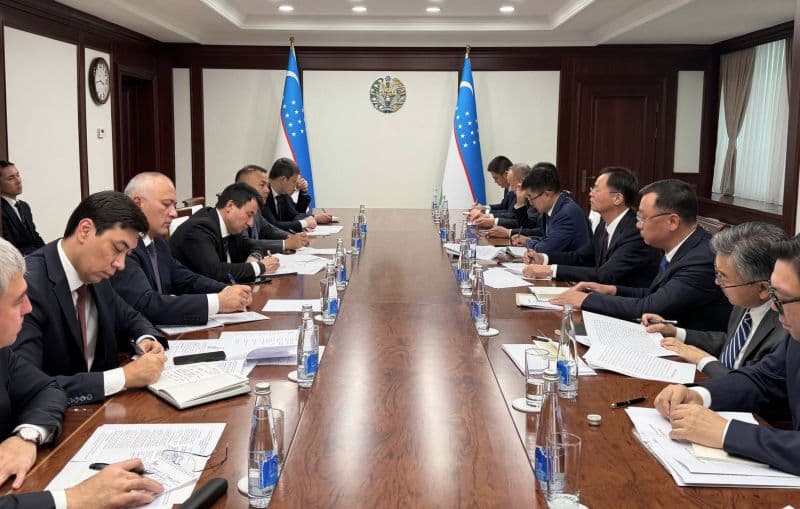
The Monetary Policy Dialogue 2026 forum brought together approximately 150 representatives from the International Monetary Fund, the World Bank Group, various ministries of finance, central banks, and international financial institutions. Participants focused their discussions on regional cooperation, attracting private investment, promoting open trade, and strengthening economic connectivity across Central Asia.