Kun.uz held a live discussion with representatives of the Competition Committee and an economist to address critical issues concerning consumer rights in Uzbekistan.
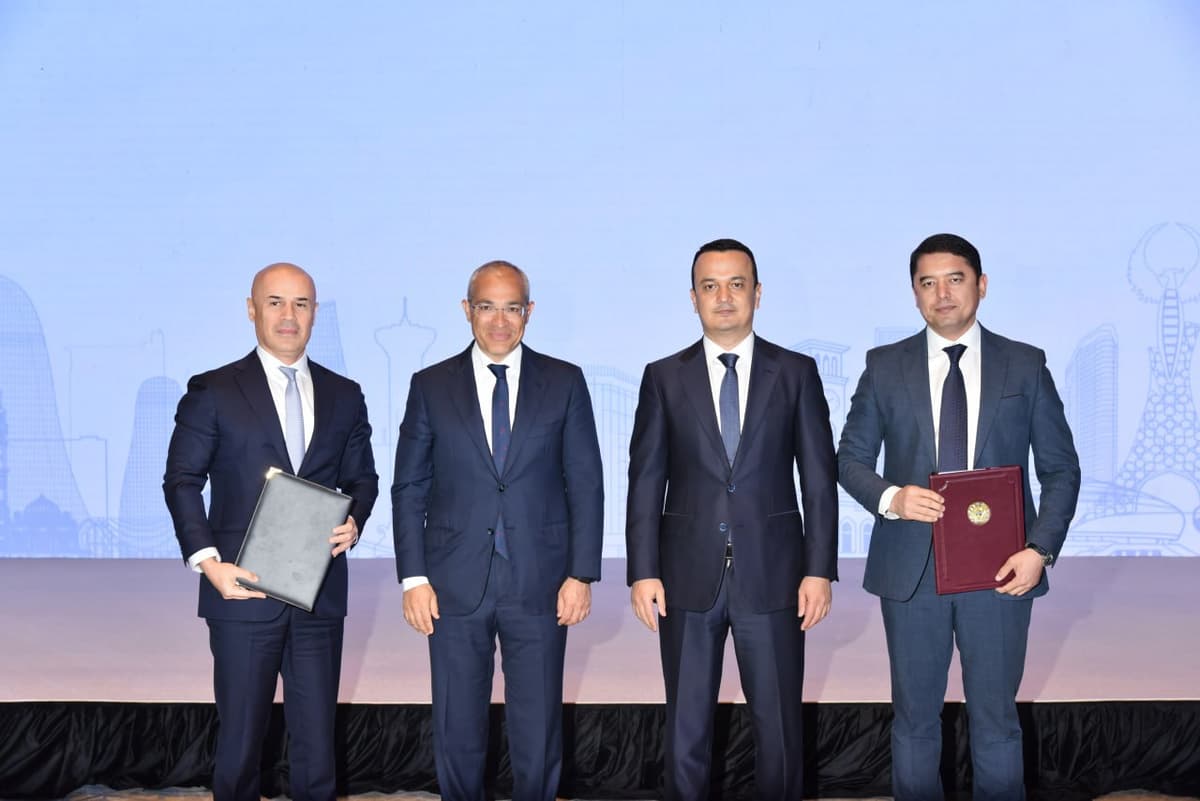
The discussion featured Ulugbek Davletov and Elmurod Khaitmetov, heads of the Committee for the Development of Competition and Protection of Consumer Rights, and economist Otabek Bakirov.
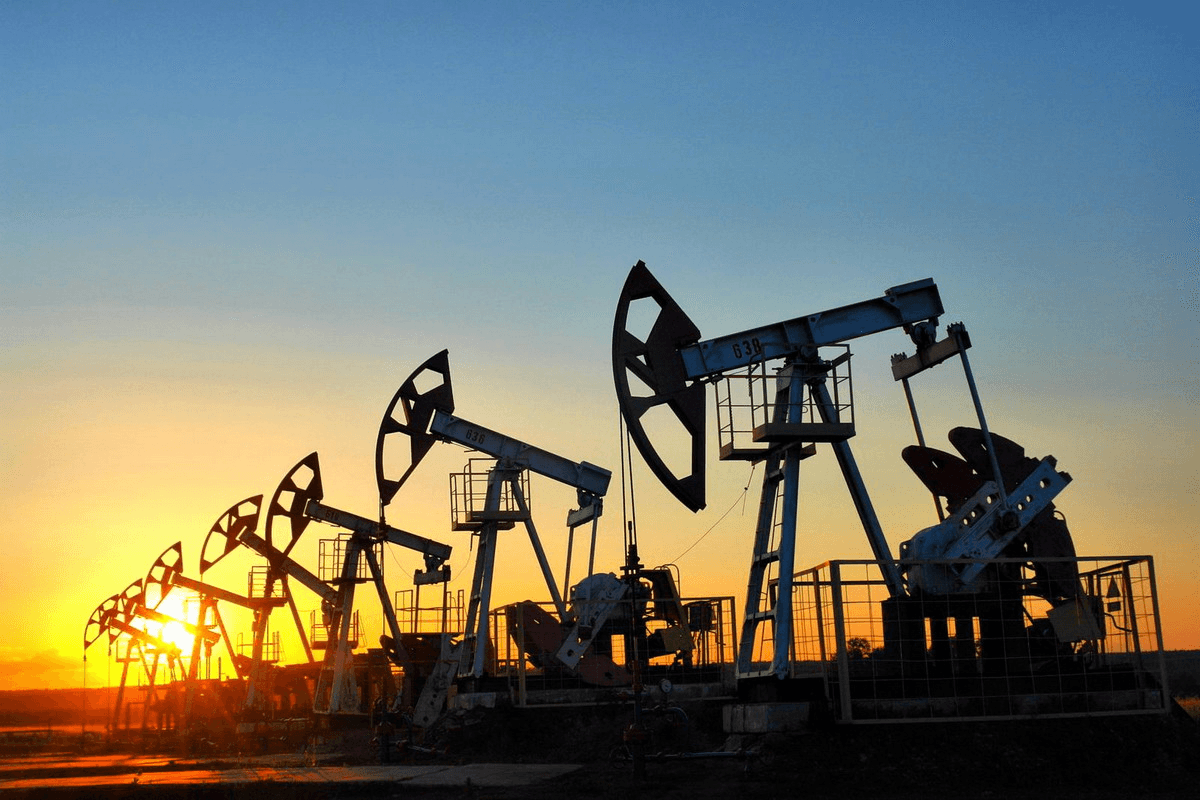
The conversation began with the record-high prices of AI-80 gasoline on the stock exchange. Notably, regardless of whether global oil prices rise or fall, gasoline prices in Uzbekistan only increase.
According to Ulugbek Davletov, 1,700–1,900 tons of gasoline are currently supplied daily to the exchange, with prices rising by up to 15% compared to the starting price. The cost per ton has reached UZS 10.6 million.
“The interesting thing is, we say exchange prices have risen by 13–15%, but retail prices remain largely unchanged. If you’ve noticed at gas stations, the retail price of AI-80 gasoline has barely shifted,” Davletov explained.
“This is no longer a hidden issue – we all know about it. Previously, a spread was set, with the committee establishing a 5% cap on price increases. Last month, we removed this cap. The main reason is the seasonal fluctuation in AI-80 demand. As winter approaches, methane gas stations face shortages and closures, increasing demand for AI-80. This typically drives up prices.
“Each year, we use additional resources in the summer to meet demand by supplying more volume to the exchange. In summer, we replenish the volumes used. If you observe the dynamics, prices for AI-80 remain stable in summer but fluctuate in winter,” he added.
Davletov noted that removing the spread strengthened the black market. “There were many discussions about brokers and other exchange manipulations, as well as gas station practices. Costs that should have gone to the stations were diverted elsewhere. Roughly speaking, there were payments of $100–200 per lot that went to the streets. For instance, if the exchange price was UZS 9 million, with a 1.3 coefficient for cash transactions, the retail price per ton could reach UZS 6,500–7,000. With those extra payments, prices could hit UZS 8,000–8,500. Now, with the spread removed, trading has become more transparent,” he said.
Listening to these points, Otabek Bakirov argued that the money from cash transactions ends up in the pockets of monopolistic companies in the fuel market. He disagreed with the official’s claim that retail prices have not risen.