



Additional features
-
Night mode

Uzbekistan’s shadow economy drops to 8% of GDP in H1 2025
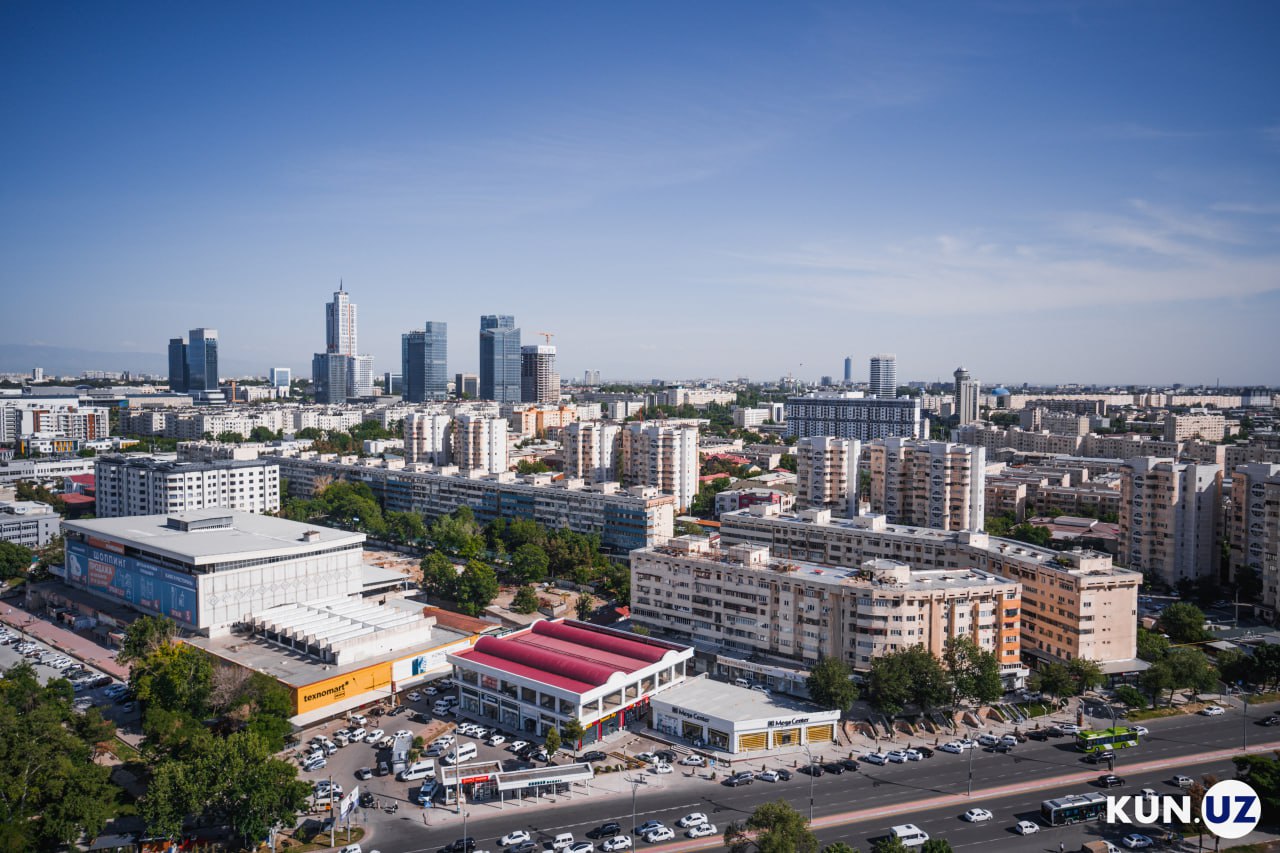
In January–June 2025, the share of the unobserved economy in Uzbekistan reached 32.9% of GDP, slightly higher than in the first quarter. However, the shadow economy declined from 8.4% to 8% of GDP over the same period.
Following the publication of Uzbekistan’s first official estimate of the unobserved economy in 2024, the figure has become an important indicator of economic transparency. The latest data for January–June 2025 sheds light on the direction of what is often referred to as the country’s “second economy.”
The unobserved economy consists of economic activities that are not fully captured by official statistics. It includes both the informal and shadow economies.
The informal economy refers to small businesses and services carried out without registration, such as home-based tailoring, unlicensed taxi driving, or selling vegetables without a permit.
The shadow economy is the hidden portion of otherwise legal activity. It involves businesses concealing part of their revenue to avoid taxes or paying wages in cash “off the books.”
Growth or decline?
In the first half of 2025, the gross value added (GVA) of the unobserved economy amounted to UZS 265.5 trillion – or 32.9% of GDP.
For comparison, in the first quarter, the figure stood at UZS 106.8 trillion, or 32% of GDP. This indicates a modest 0.9 percentage point increase, which may reflect seasonal variations in economic activity.
However, the share is still lower than in 2024, when the unobserved economy accounted for 34.8% of GDP – suggesting a potential downward trend in the informal and shadow sectors.
While the informal sector slightly increased its share of GDP in the second quarter, the shadow economy declined in relative terms – from 8.4% in the first quarter to 8.0% over the half-year. This may point to growing efforts to legalize shadow activity, or to its reclassification under the informal segment.
Sectoral shifts
The sectoral composition of the unobserved economy also saw notable changes:
- Agriculture: 75.1% in H1 2025, up from 63.6% in 2024
- Construction: 35.9%, down from 41.3%
- Services: 35.2%, down from 40.1%
- Industry: 10.5%, up from 8.9%
Agriculture is increasingly dominating informal employment and production. This may be due not only to seasonal patterns, but also to slower processes of registration and formalization in rural areas. The decline in the shares of construction and services may reflect the government’s efforts to formalize those sectors.
It is also worth noting the slight increase in the unobserved share within industry.
The decline in the shadow economy – from 8.4% in 2024 to 8.0% in the first half of 2025 – sends a mixed signal. On one hand, it could indicate the effects of government initiatives to improve transparency, including digitizing accounting systems, limiting cash transactions, and offering tax amnesty programs.
On the other hand, the change falls within the margin of statistical error, making it difficult to draw strong conclusions. The year-end figure for 2025 will be decisive in determining whether this decrease signals a lasting trend or merely a temporary fluctuation.

Related News

12:15
Uzbekistan sees strong labor market recovery, but productivity lags behind wages – Central Bank

16:50 / 08.07.2026
Uzbekistan posts $150 million budget surplus in H1 2026

15:41 / 08.07.2026
Decline in gold prices pushes Uzbekistan's reserves down by $6.8 billion
11:15 / 08.07.2026