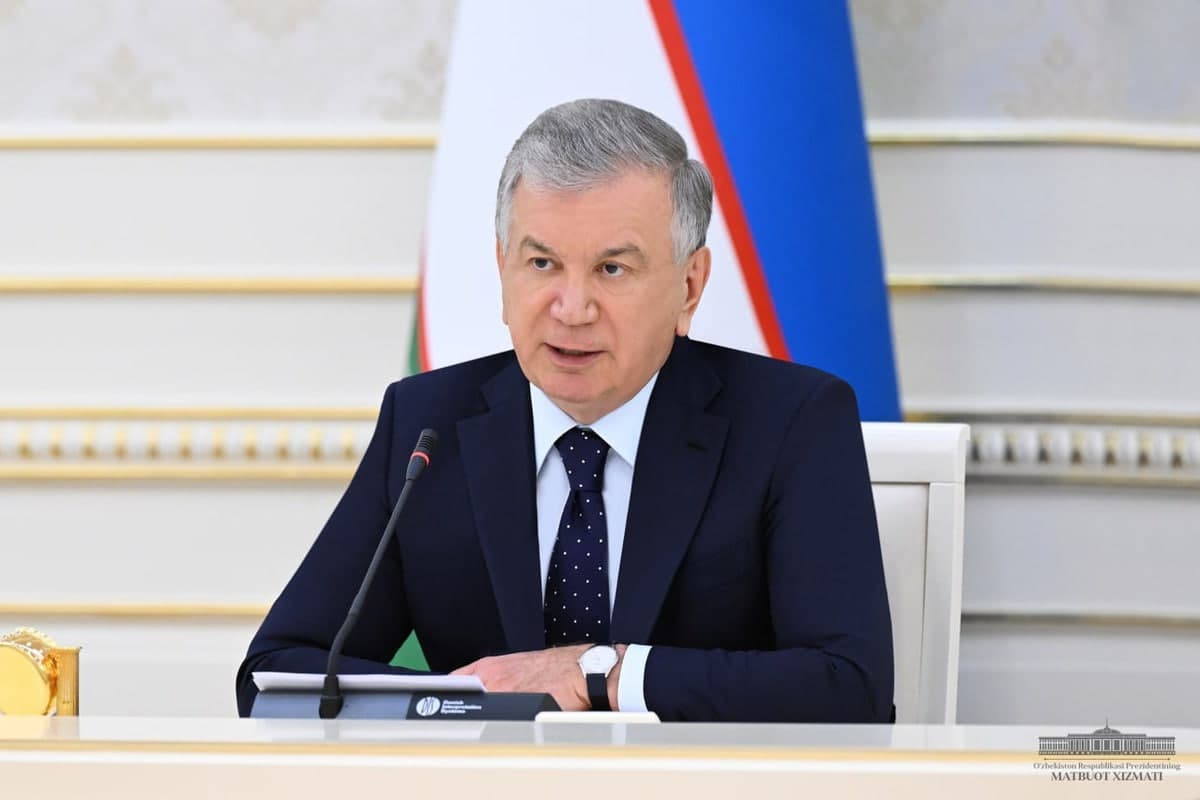
The reform is outlined in the presidential decree on fundamental improvement of local administrations for sustainable socio-economic development of regions, dated 21 October.
Key objectives of the reform include:
- Transforming district and city administrations into modern structures that provide comprehensive services to residents and businesses.
- Expanding administrative powers of governors to independently address local issues.
- Clearly defining governors’ accountability for socio-economic development and introducing effective mechanisms for interregional cooperation and experience sharing.
From 1 January 2026, the experimental transfer will cover district and city units of republican executive bodies in 33 territories designated as “New Uzbekistan model regions”, as well as all districts and cities of Surkhandarya region.
During the experiment, the following ministries and agencies will be integrated into local administrations:
- Ministry of Economy and Finance
- Ministry of Employment and Poverty Reduction
- Ministry of Investments, Industry, and Trade
- Ministry of Construction and Housing and Communal Services
- Ministry of Agriculture
- Ministry of Ecology, Environmental Protection, and Climate Change
- Ministry of Culture
- Committee on Family and Women’s Affairs
- Agency for Youth Affairs
Initially, only eight agencies were planned for inclusion, excluding the Construction Department.
Units will retain their current status and salary conditions. Governors will exercise direct leadership over these structures, approve staffing schedules, appoint and dismiss personnel, and apply incentives or disciplinary measures.
Deputy governors will be approved by local councils of people’s deputies and may form project teams to implement specific development initiatives. In Surkhandarya, the maximum number of deputy governors will be six, and in other districts and cities — four. Governors will independently define deputies’ responsibilities based on regional development plans and drivers.