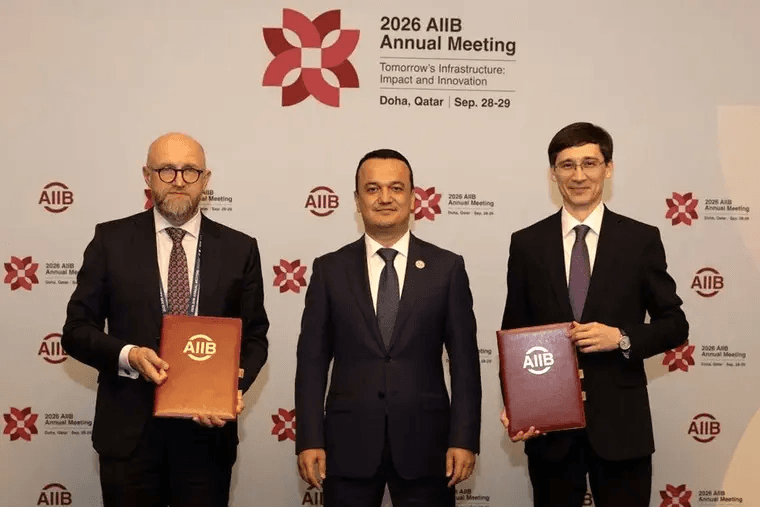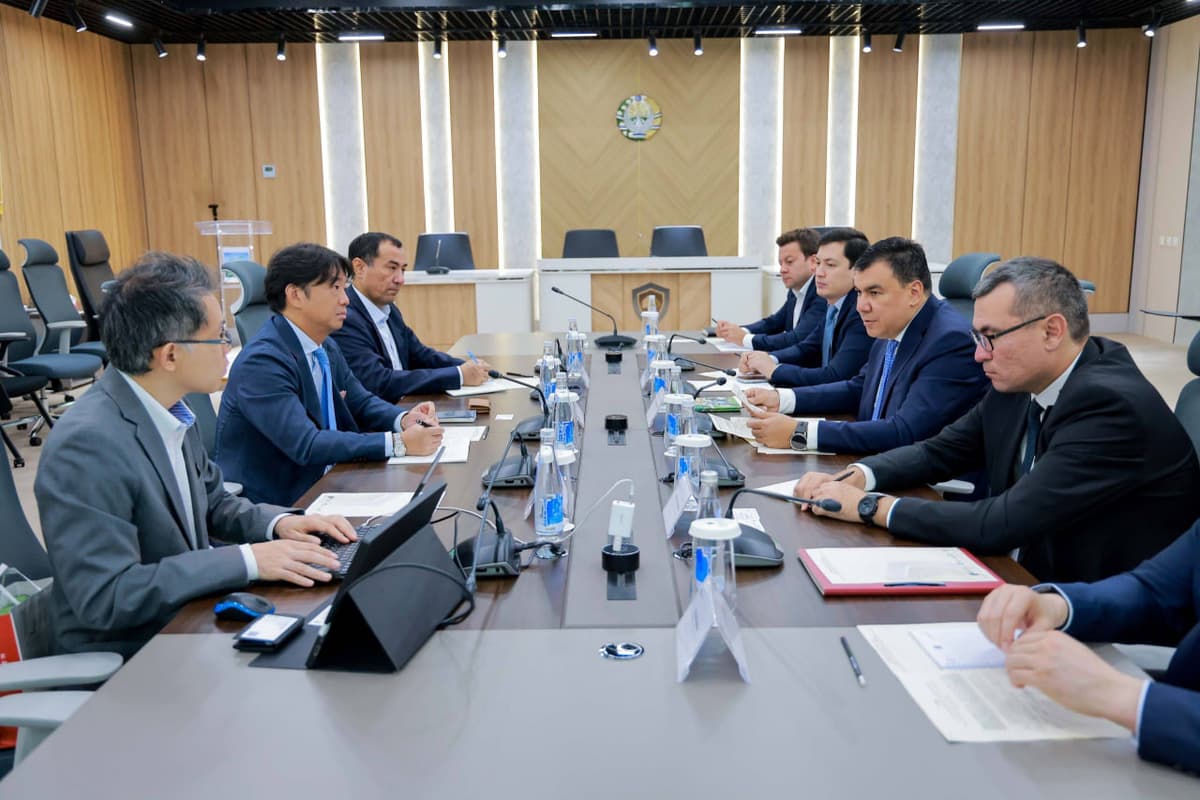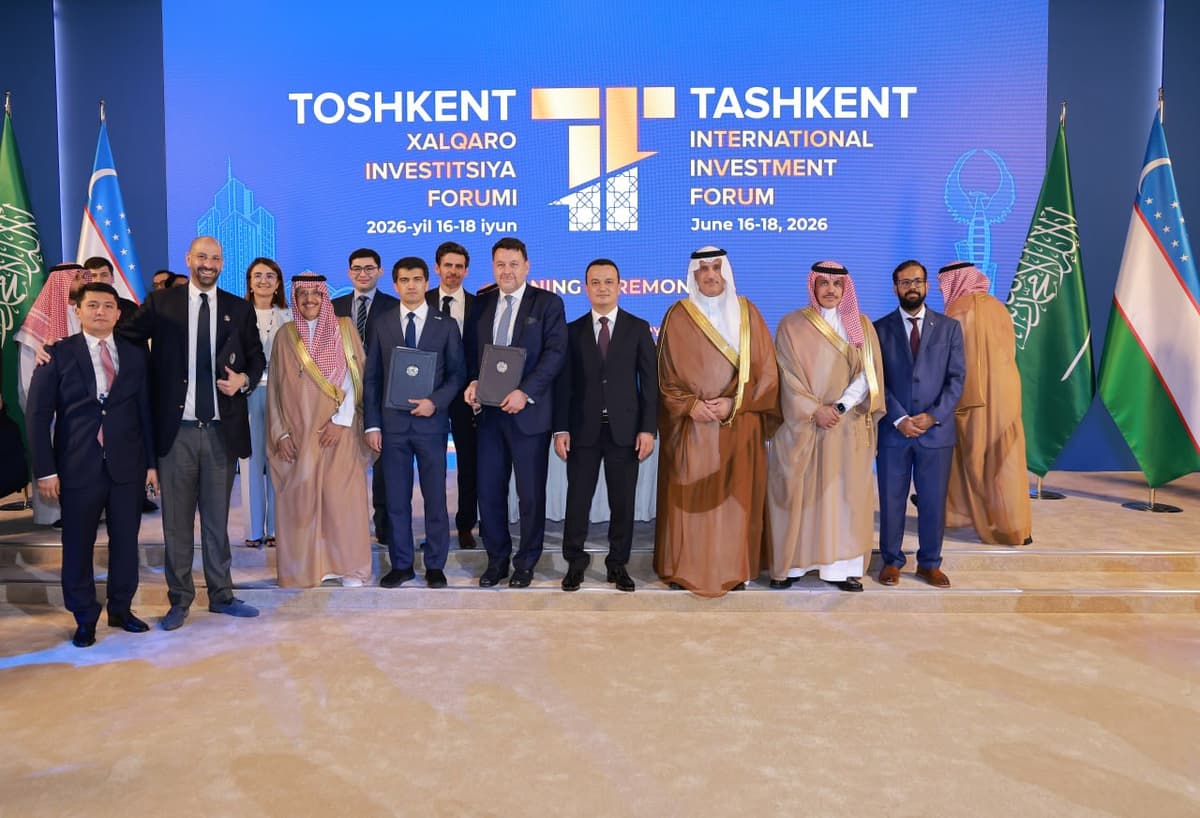
The program is designed to strengthen Uzbekistan’s policy and governance frameworks for low-carbon growth, improve public-sector performance and enhance national climate resilience. Implemented under AIIB’s Climate-Focused Policy-Based Financing approach, the operation supports structural reforms that enable systemic, economy-wide climate action.
Key measures include improving efficiency and governance in the energy sector and state-owned enterprises, expanding climate-responsive public procurement, and establishing transparent rules and systems for carbon-credit development and trading. The introduction of a robust measurement, reporting and verification framework is expected to help mobilize private capital for climate-related investments.
“This operation reflects AIIB’s commitment to supporting Uzbekistan’s reform agenda through measures that can deliver lasting climate and economic gains,” said AIIB Chief Investment Officer Konstantin Limitovskiy. “By advancing critical climate-related policy reforms, the program helps create the conditions for increased climate finance and expanded private-sector participation. We look forward to continuing our close cooperation with the Government of Uzbekistan as it advances its green transition.”
The program is co-financed with the World Bank Group and aligns with Uzbekistan’s Strategy for Transition to a Green Economy (2019–2030) as well as commitments set out in the country’s second Nationally Determined Contribution. It also supports the broader priorities of the Uzbekistan-2030 development strategy, which highlights cleaner energy systems, resource efficiency and climate-aligned growth.
According to AIIB, the reforms supported under the program are expected to deliver significant long-term environmental and social benefits. These include reduced greenhouse-gas emissions, improved air quality and stronger resilience to climate risks. By promoting efficient resource use and expanding access to cleaner technologies, the initiative is also expected to lower energy costs and enhance living conditions – particularly for vulnerable communities.