The issue was discussed on December 19 during a plenary session, where senators reviewed the results of a parliamentary inquiry sent to the Minister of Higher Education, Science and Innovation, Kongratbay Sharipov, on preventing student crime.
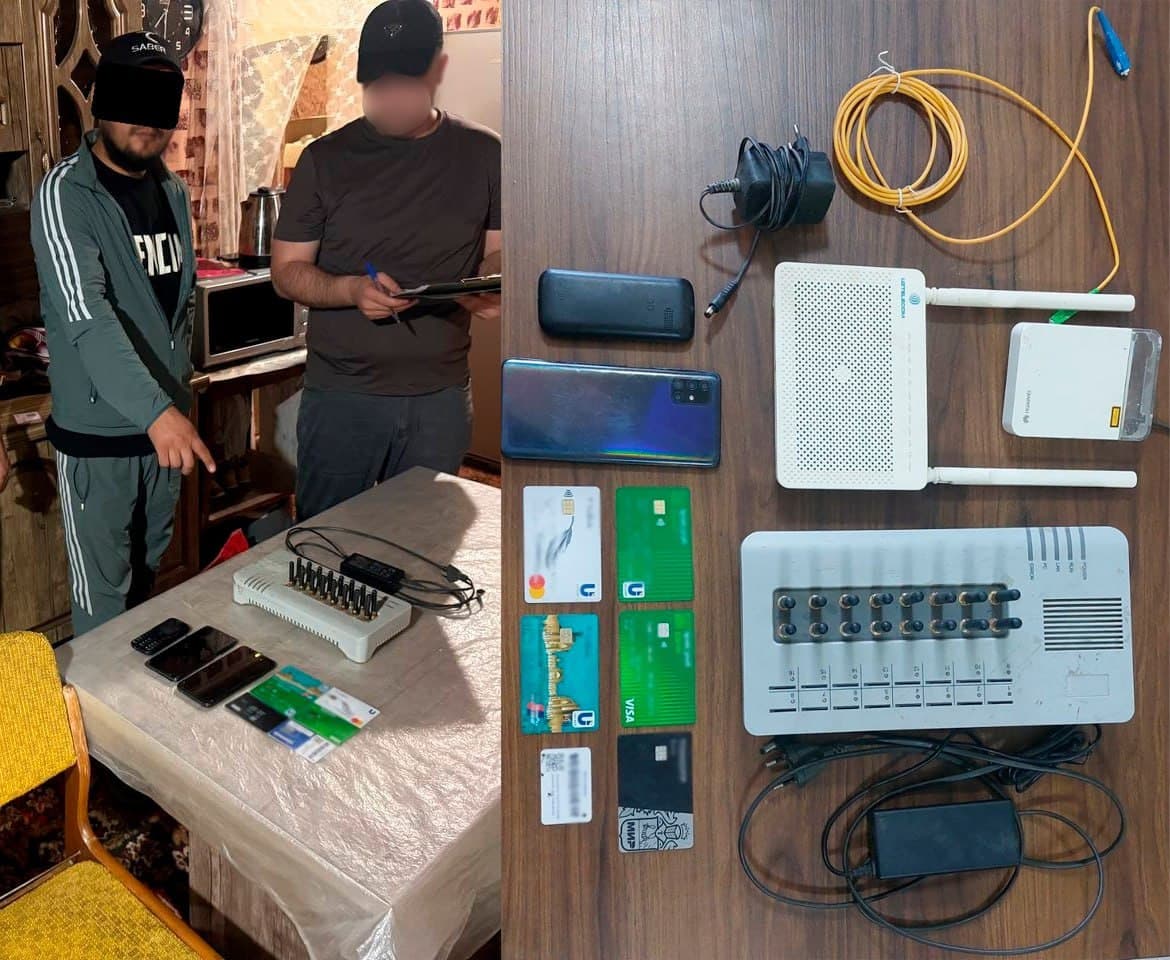
For context, the Senate noted on September 5 that 761 crimes involving students had been committed in 2024. Most of these were traffic accidents, theft, assault, hooliganism, and fraud. The Senate attributed these offenses to shortcomings in the organization of the educational process and “unhealthy environments” at some universities.
Deputy Minister Rajabov highlighted that, despite certain challenges, the ministry continuously monitors and works to prevent crimes and violations among students. He emphasized that one of the primary objectives is the complete prevention of student criminality.
From 2024 to 2025, a stable decline in student crime was achieved. In the first 11 months of 2025, students committed 585 offenses, 142 fewer than in the same period last year. Whereas in 2024 one crime was committed per 1,400 students, in 2025 the ratio improved to one per 2,000 students.
Analysis of the causes showed that 27 percent of crimes were linked to the pursuit of easy money or financial difficulties, 22 percent to personal conflicts, 11 percent to lack of legal literacy, 27 percent to traffic violations, and 13 percent to other factors. Half of all offenses were committed by students enrolled in distance learning programs.
Based on identified issues, preventive measures were strengthened in universities for the 2025–2026 academic year. Notably, a government decree established a framework for individual tutoring programs for students.
To monitor and evaluate tutors’ work, the ministry launched the online platform tyutor.hemis.uz, which uses artificial intelligence. A social activity index for students integrated into the annual grant redistribution mechanism has also been introduced, weighing 80 percent academic performance and 20 percent social engagement.
Modern educational materials have been developed under the “Kelajak Soati” program and uploaded to the milliytarbiya.uz website and social media. To date, 50 scenarios across 13 thematic directions and more than 120 pieces of content have been created.
Public “Qalqon” groups were established in 201 universities, reaching over 3,300 students. Within the framework of domestic tourism initiatives, more than one million students participated in 19,370 visits to historical sites, theaters, and museums.