





Additional features
-
Night mode

Uzbekistan targets 20 percent cut in energy use by 2030
On January 14, President Shavkat Mirziyoyev reviewed a presentation on improving energy efficiency and introducing market mechanisms in electricity supply.
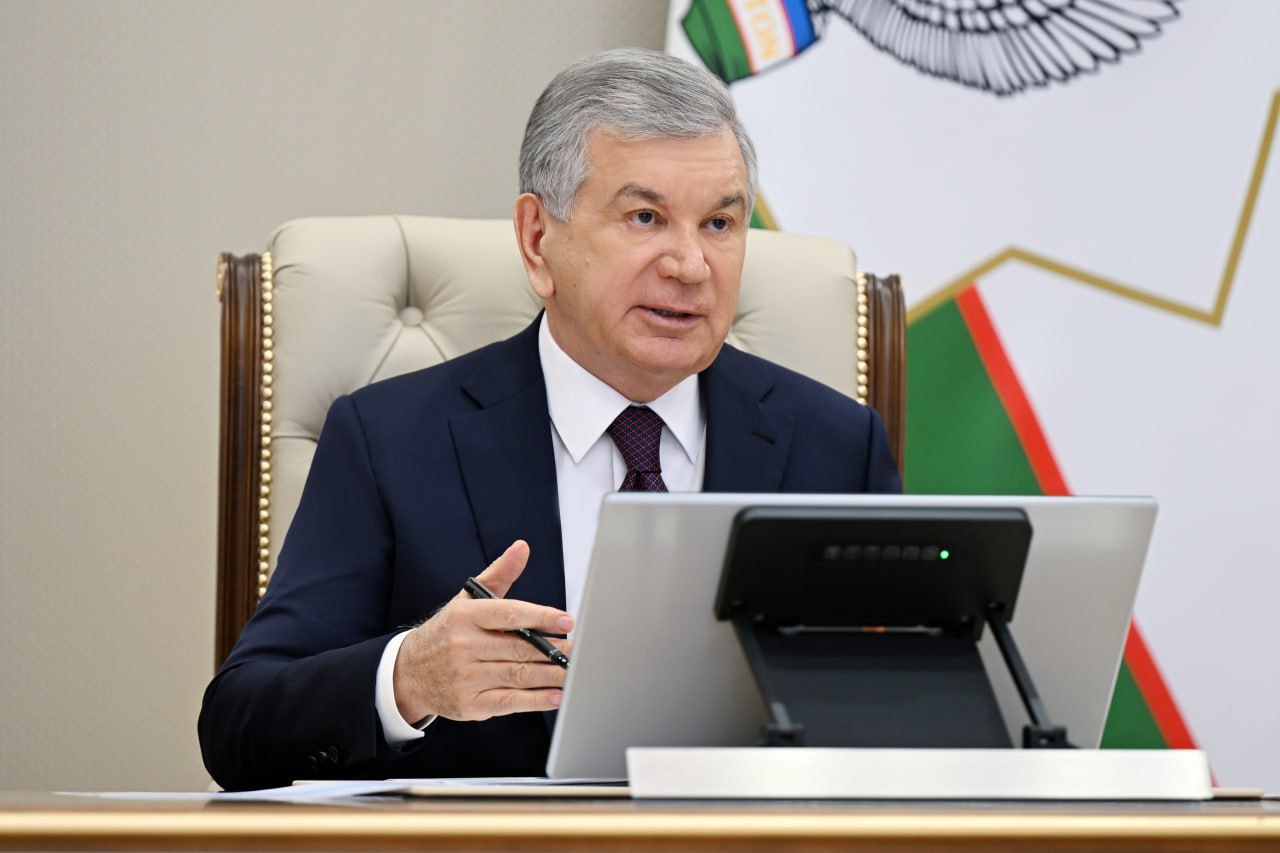
According to the conclusions of international experts, Uzbekistan ranks among the world’s most energy-intensive countries. In particular, buildings account for nearly 50 percent of final energy consumption in the country, while energy use per square meter is several times higher than in European countries.
Against this backdrop, a separate agency was established last year to systematically implement reforms in the field of energy efficiency. This structure has been tasked with reducing energy consumption in the economy by at least 20 percent by 2030, and by 15 percent in government institutions and social facilities. The presentation reviewed the agency’s plans for its activities in 2026.
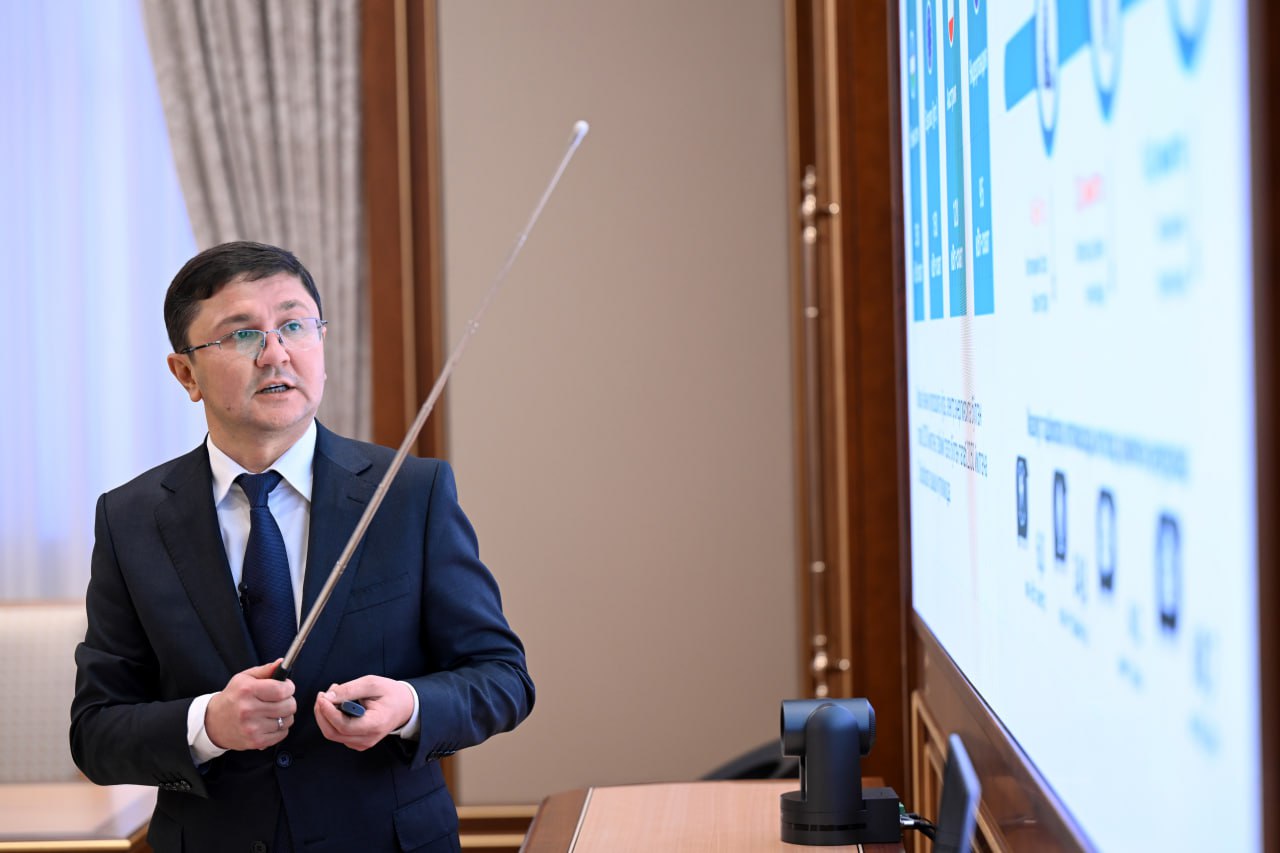
A large share of buildings across the country were constructed in the 1960s and 1970s, and energy consumption levels in them remain high. For this reason, large-scale efforts are planned to convert social facilities and residential housing into energy-efficient buildings. In the current year, UZS 150 billion in subsidies and compensation funds will be allocated for these purposes.
It was noted that particular attention should be paid to expanding the involvement of international financial institutions and private sector investment in improving energy efficiency at nearly 30,000 social facilities nationwide.
Under the current year’s investment program, 770 social facilities will be modernized in line with energy efficiency standards. To this end, $264 million in funding will be attracted from international financial institutions.
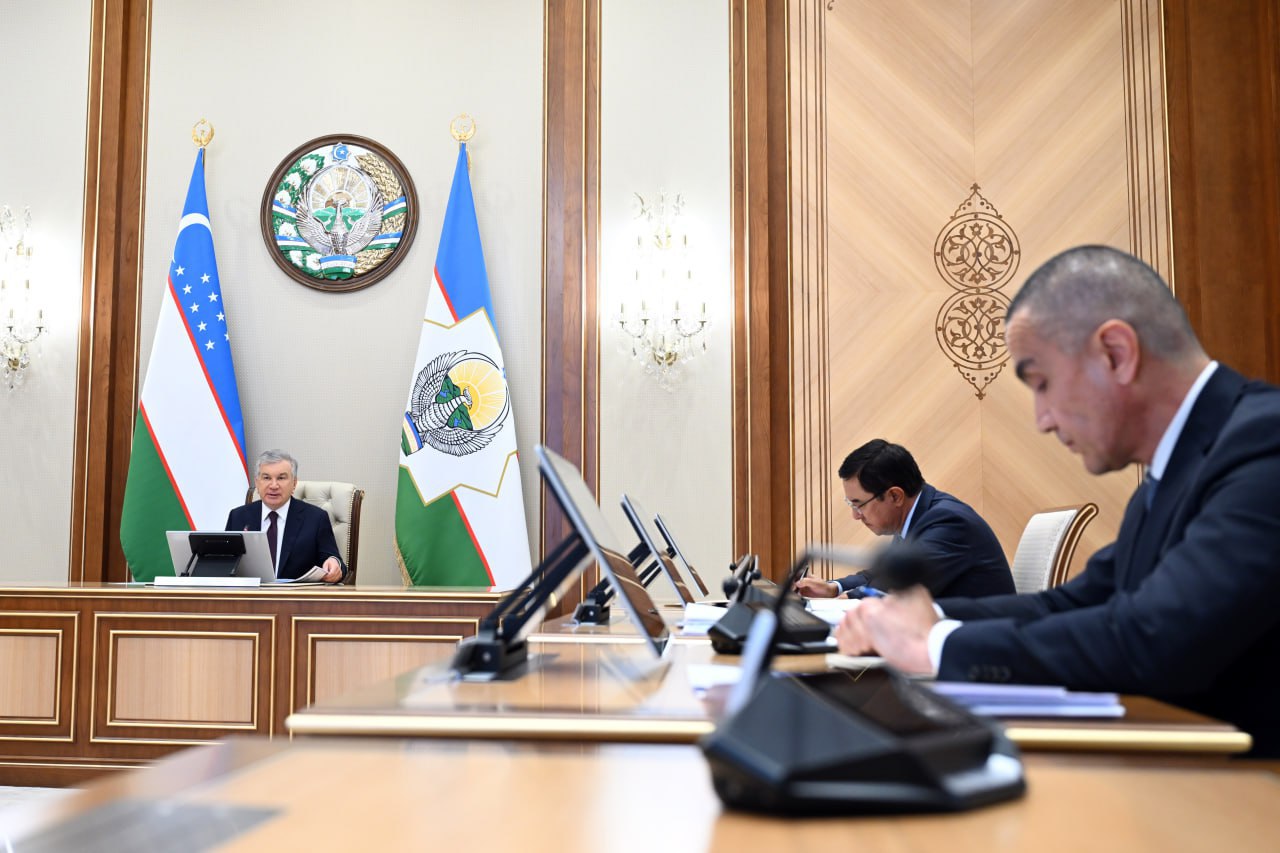
At the same time, mechanisms for generating income through energy savings were discussed, including the development of energy service companies (ESCOs) and the formation of this market.
Information was also presented on plans to widely apply digital technologies and artificial intelligence in conducting energy audits of buildings, as well as in designing and modeling projects based on energy efficiency standards.
Specific plans have also been set out to improve energy efficiency in the industrial sector. In particular, this year solar panels are to be installed at 142 textile enterprises, which is expected to save 722 million kilowatt-hours of electricity and UZS 693 billion in company funds. In addition, the replacement of 300 pumps in the drinking water supply system is planned.
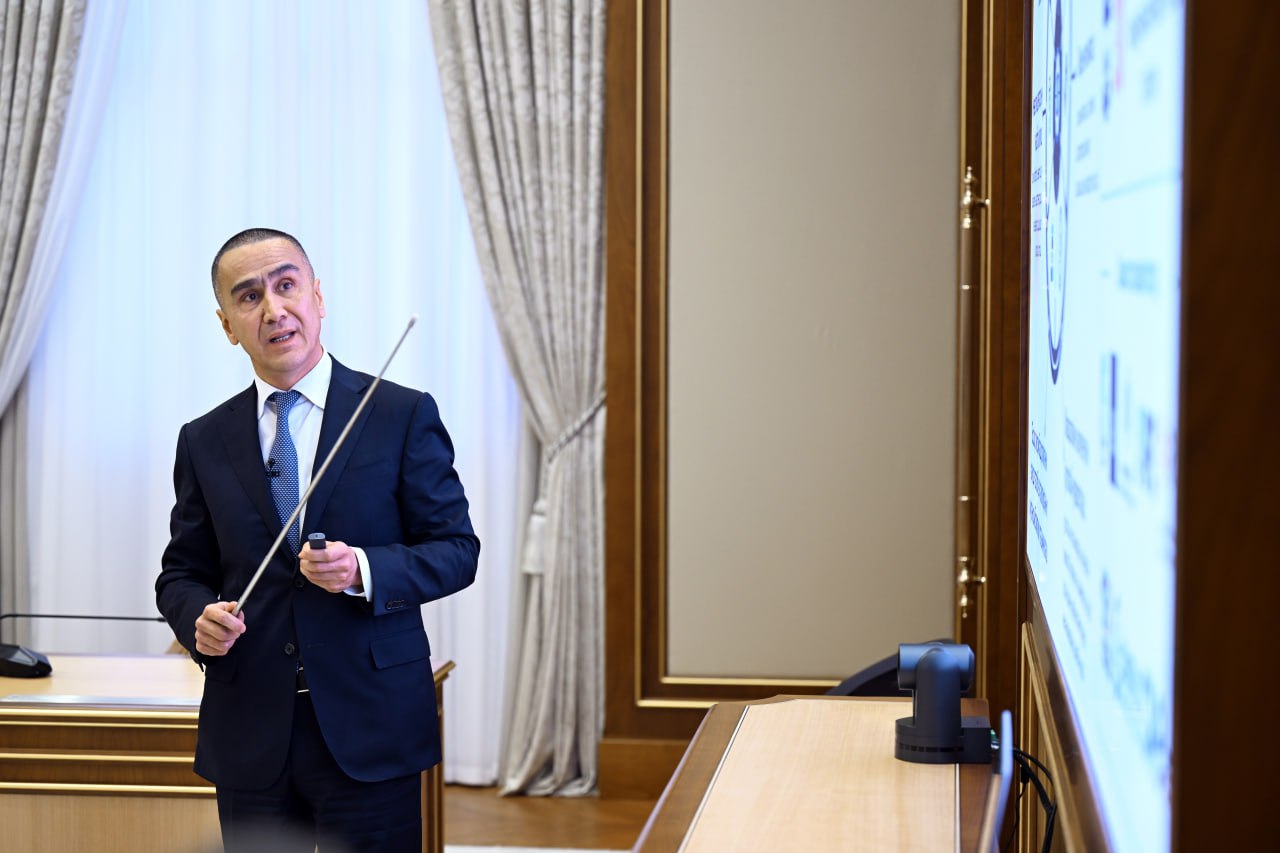
Special attention was paid to existing problems in the centralized heating supply system. At present, energy losses remain high due to the deterioration of some boiler houses and heat networks. Therefore, this year it is envisaged to modernize heating boiler houses and systems, convert them to a “closed system,” install 400 individual heating substations, and upgrade at least 100 kilometers of heating networks.
Responsible officials were instructed to develop energy efficiency standards and effective regulations for the construction, repair, and reconstruction of buildings.

Related News
11:34
Energy tariff hikes and coal price surge drive inflation higher in Uzbekistan
19:20 / 02.07.2026
Uzbekistan reports sharp fall in coal and gas extraction amid rising electricity generation
19:12 / 02.07.2026
Government pays delayed solar energy subsidies to 60,000 households under "Solar House" program
14:00 / 25.06.2026