





Additional features
-
Night mode

Tashkent to relocate 87 polluting industrial facilities outside the city
Authorities have launched a phased program to relocate environmentally hazardous and energy-intensive industrial enterprises from Tashkent to areas outside the capital,
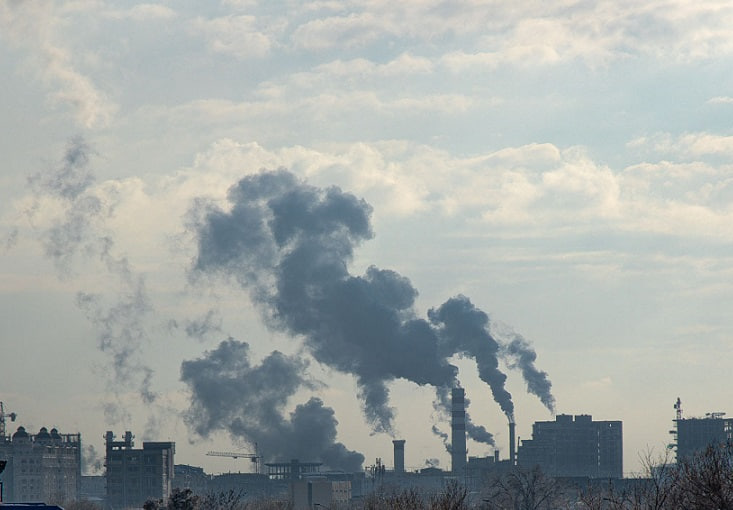
According to the National Committee for Ecology and Climate Change, the initiative follows a presidential decree issued in February 2025, which mandates the relocation of polluting facilities from Tashkent, Nukus, and other regional centers. The decree applies to a range of industries, including cement and asbestos production, leather and footwear manufacturing, ferrous and non-ferrous metallurgy, poultry farming, and other operations with high energy consumption and significant environmental impact.
As part of the implementation process, a special commission tasked with improving Tashkent’s environmental conditions has identified 87 enterprises in the capital that fall under the relocation requirement. The transfer of these facilities will take place in stages, during which companies will be required to modernize their production capacities and bring operations into line with contemporary environmental standards.
The committee highlighted the relocation of the UZVTORCVETMET plant, located in Tashkent’s Yangihayot district, as one of the key cases. The enterprise, which specializes in the collection, processing, and production of secondary non-ferrous metals, is classified as a Category I environmental hazard facility.
An environmental inspection conducted in October identified multiple violations linked to pollution at the plant. As a result, authorities issued a mandatory compliance order and assessed UZS 18.09 billion in compensation for environmental damage.
Under the decision of the special commission, UZVTORCVETMET will be moved to an industrial zone in Jizzakh region to mitigate its environmental impact. As part of the relocation, outdated and environmentally harmful smelting furnaces will be decommissioned through compensation-based disposal mechanisms, and the enterprise will resume operations using modern equipment that fully meets current environmental requirements. Officials estimate that the relocation and modernization will reduce harmful emissions by approximately 226.7 tons per year.

Related News
11:50 / 03.07.2026
Tashkent region begins relocating greenhouses to Surkhandarya
11:43 / 22.06.2026
Uzbekistan plans to buy back 30-year-old vehicles and penalize owners who keep them
12:17 / 15.06.2026
Uzbekistan considers annual environmental fee for vehicles older than 30 years
21:33 / 09.06.2026