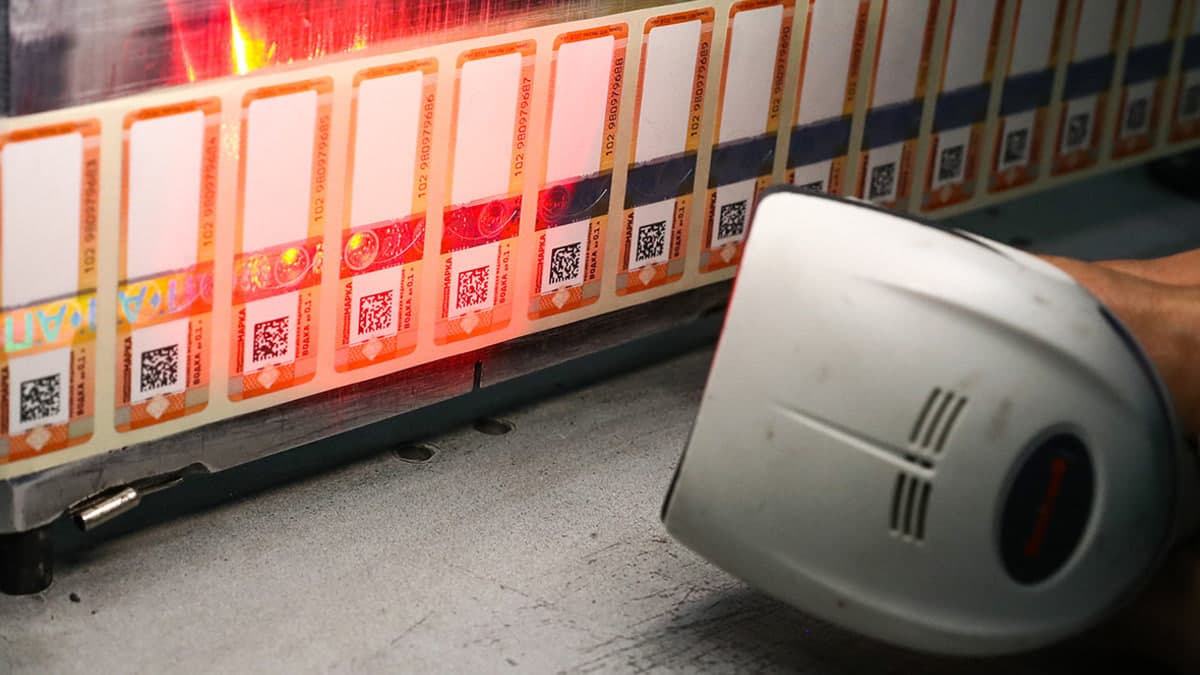
According to the lower house of parliament, the bill is aimed at improving the effectiveness of the digital labeling system. It proposes amendments to the Tax Code that would clarify the concept of a “remote tax audit” and simplify the procedure for carrying it out. Lawmakers say the changes are intended to foster fair competition in the business environment and strengthen the stability of budget revenues.
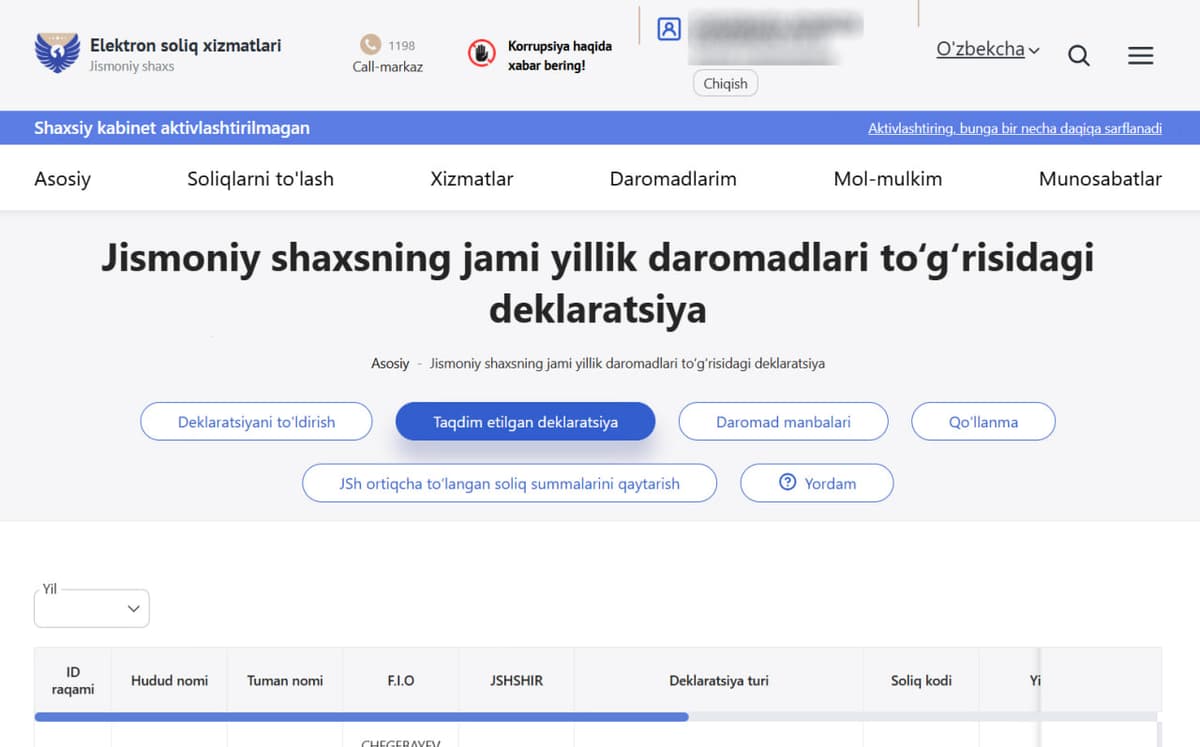
Under the proposed amendments, tax authorities would be allowed to conduct audits without visiting a taxpayer’s premises if violations of labeling rules persist after two formal warnings. Such remote inspections are designed to rely on digital data and monitoring tools rather than on-site checks.
During parliamentary discussions, it was noted that cases of substandard and counterfeit goods being sold outside the digital labeling system continue to be identified in Uzbekistan. Violations are particularly common in sectors such as alcohol, tobacco, pharmaceuticals, soft drinks, and other consumer goods.
Deputies emphasized that the bill introduces modern approaches to tax control and prioritizes preventive mechanisms. Remote audits, they argued, would reduce excessive interference in business operations, simplify tax administration, and allow authorities to respond more swiftly to violations.
Background on digital labeling
Uzbekistan began moving toward digital product labeling following a presidential decree issued by Shavkat Mirziyoyev in December 2018. The system was initially scheduled to launch on August 1, 2019, but the deadline was later postponed to 2020.
In August 2019, authorities announced plans to involve CRPT Turon, a subsidiary of Russia’s Center for Research in Perspective Technologies (CRPT), in the project. From 2020, after pilot testing on cigarette and alcohol sales, the Asl Belgisi digital labeling system was gradually expanded to cover additional product categories.
Labeling is currently mandatory for medicines, household appliances, bottled water, and soft drinks, although implementation deadlines for the latter categories were repeatedly postponed. In spring 2022, officials also announced plans to extend labeling to auto parts, tires, and carpets as part of efforts to combat counterfeit goods.
In April 2025, the Cabinet of Ministers approved an experiment on the digital labeling of mineral fertilizers and plant protection products. The pilot program will run until October 31 and cover products from five companies. From May 2026, labeling of agrochemicals is expected to become mandatory.