





Additional features
-
Night mode

How much does it cost to perform Umrah and what affects the price
Traveling for Umrah requires not only spiritual preparation but also practical planning. The cost of Umrah varies depending on the season and travel conditions. During regular months, a pilgrimage may cost around USD 700–750, while during Ramadan expenses often rise to USD 2,000–2,500 or more.
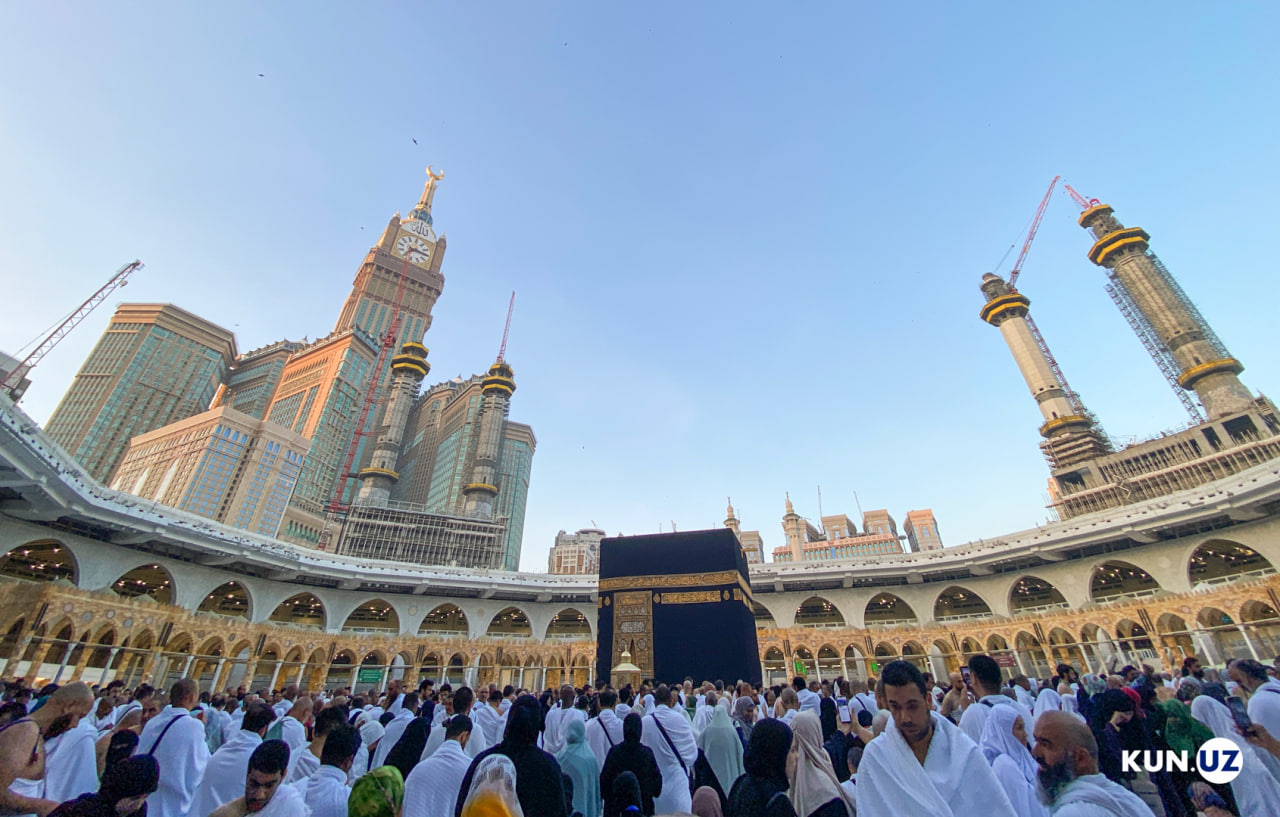
This was experienced firsthand by Nodirakhon Nuritdinova, who performed Umrah during the month of Ramadan. Her trip clearly shows how the season, tour format, and accommodation conditions affect the overall cost and why expenses can increase several times during peak periods.
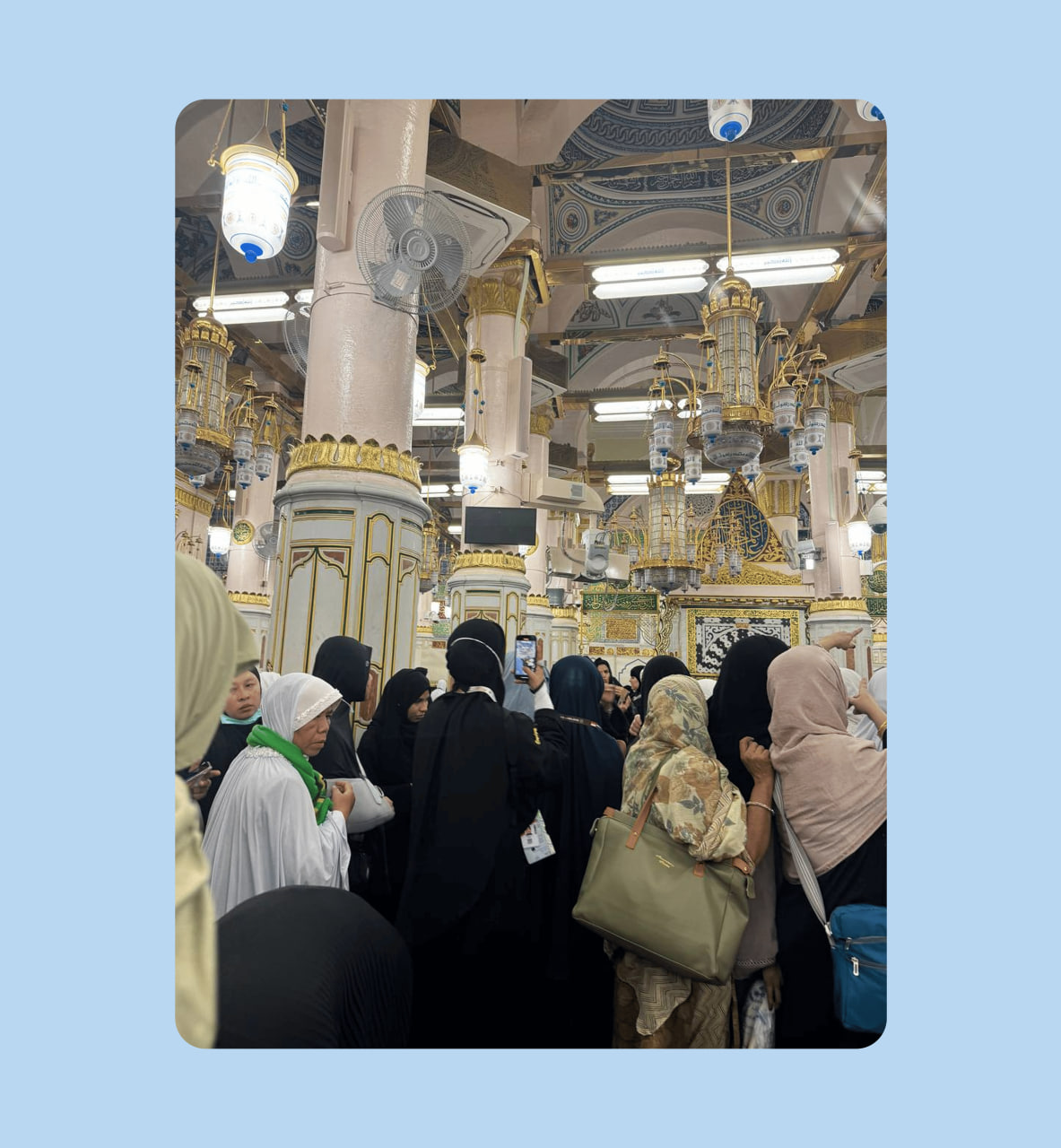
Why Umrah is performed more often than Hajj
Umrah and Hajj differ not in religious significance but in the conditions under which they are performed and how the trip is organized. Practical factors largely explain why Umrah is undertaken more frequently.
No quotas and long waiting periods
Hajj is performed on strictly defined days of the month of Dhu al-Hijjah and is subject to quotas allocated among countries. Due to limited availability, waiting times can stretch over several years.
Umrah has no such restrictions. The trip can be planned without long waiting periods, allowing pilgrims to choose suitable dates in advance.
Flexible travel dates
Umrah can be performed at any time of the year. Pilgrims select travel dates based on work schedules, family circumstances, and budget.
Hajj, by contrast, is limited to specific dates, requiring plans to be adjusted to fixed timeframes.
Easier organization and shorter duration
Umrah takes less time and does not require complex logistics. As a rule, these trips are shorter and structurally simpler than Hajj.
This is especially important for first-time pilgrims who want to become familiar with travel conditions without significant physical or organizational strain.
More affordable costs
On average, Umrah is less expensive than Hajj. A wide range of prices allows pilgrims to choose a travel format that fits their budget — from basic group tours to more comfortable options.
As a result, many believers perform Umrah multiple times over different years, while Hajj remains a once-in-a-lifetime journey for most.
When is Umrah cheaper
The timing of the trip directly affects both the cost of Umrah and pilgrimage conditions. This is particularly evident when comparing travel during Ramadan with quieter periods of the year.
Why Ramadan is the most expensive period
Performing Umrah during Ramadan is the most costly. During this time, the flow of pilgrims increases sharply, immediately impacting prices and travel organization.
During Ramadan:
- the number of pilgrims increases;
- hotels near mosques fill up faster;
- flight and accommodation prices rise;
- additional on-site expenses increase.
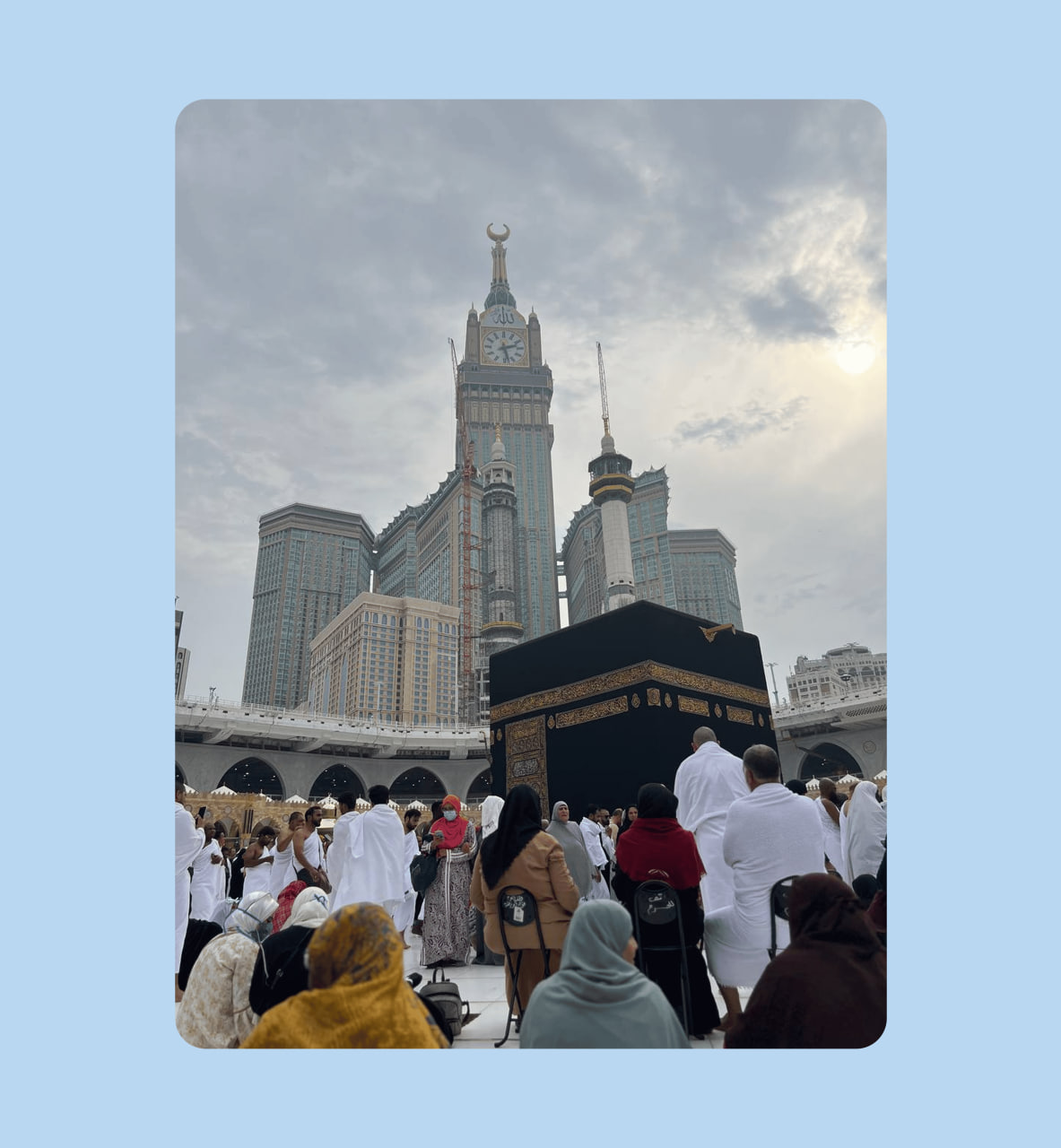
Under normal conditions, the entire Umrah ritual takes two to three hours. During Ramadan, a single tawaf can take several hours — movement slows down and physical strain increases. This affects not only physical well-being but also the overall travel budget.
The last ten days of Ramadan
The most difficult and expensive period is considered to be the final ten days of Ramadan. During this time, crowd density reaches its peak, entrances and exits of mosques may be temporarily restricted, and physical exertion increases significantly.
This format is especially challenging for first-time pilgrims or those traveling with elderly relatives.
When Umrah costs less
During calmer periods — immediately after Hajj and in the hottest months — the cost of Umrah decreases. Fewer pilgrims travel, hotels offer more affordable rates, and airfare becomes cheaper.
The difference can be substantial: traveling outside Ramadan can, in some cases, cost nearly three times less than during peak season, depending on the tour format and accommodation conditions.
Why lower prices are often linked to heat
Savings during hot months are associated with increased physical strain. In Mecca and Medina, pilgrims walk long distances, and high temperatures are felt especially strongly.
How much does Umrah cost and what affects the price
Even with the same route and set of rituals, the cost of Umrah can vary significantly. Price differences are not related to the religious aspect of the journey but to organizational factors: travel timing, accommodation format, and flights.
How much does Umrah cost
Outside Ramadan, an Umrah trip may cost USD 700–750 per person. During Ramadan, prices rise noticeably and can reach USD 2,000 or more.
A Ramadan trip with accommodation in a private room cost USD 2,500. At the same time, some pilgrims traveling during the same period paid almost half as much — the difference was due to the type of accommodation.
What affects the price the most
The main cost factor is accommodation. Tour prices depend on:
- the distance between hotels and mosques;
- the number of people per room;
- accommodation conditions.
A private room significantly increases the cost of the trip, even if meals, guidance, and hotel category remain the same. In this case, accommodation was the main source of additional expenses.
In addition to mid-range packages, more expensive options are available with hotels located much closer to the mosques. In Medina, the tour price included a bus экскурсия around the city and visits to important religious sites. In Mecca, excursions must be paid for separately.
How trip duration affects the price
The longer the trip, the higher the total cost. Tour operators usually offer three formats:
- 7 days — the shortest and most affordable option. Outside Ramadan, such tours typically cost USD 700–750 per person with economy accommodation.
- 10 days — a mid-range option. Depending on travel dates and accommodation, prices usually start at USD 900–1,200 per person.
- 14–15 days — longer trips that cost more due to accommodation and meals. Even in economy format during Ramadan, such trips ranged from USD 1,200–1,500 per person, while more comfortable options with private rooms reached USD 2,500 or more.
How flights affect the total cost
Flights account for a significant portion of the budget. Direct charter flights are usually more expensive, especially during high-demand periods. During quieter months, the share of airfare in the total cost decreases, helping reduce overall expenses.
Example of a Ramadan Umrah budget
Below is a breakdown of expenses for an Umrah trip during Ramadan with an extended accommodation format. This estimate is based on the experience of Nodirakhon Nuritdinova.
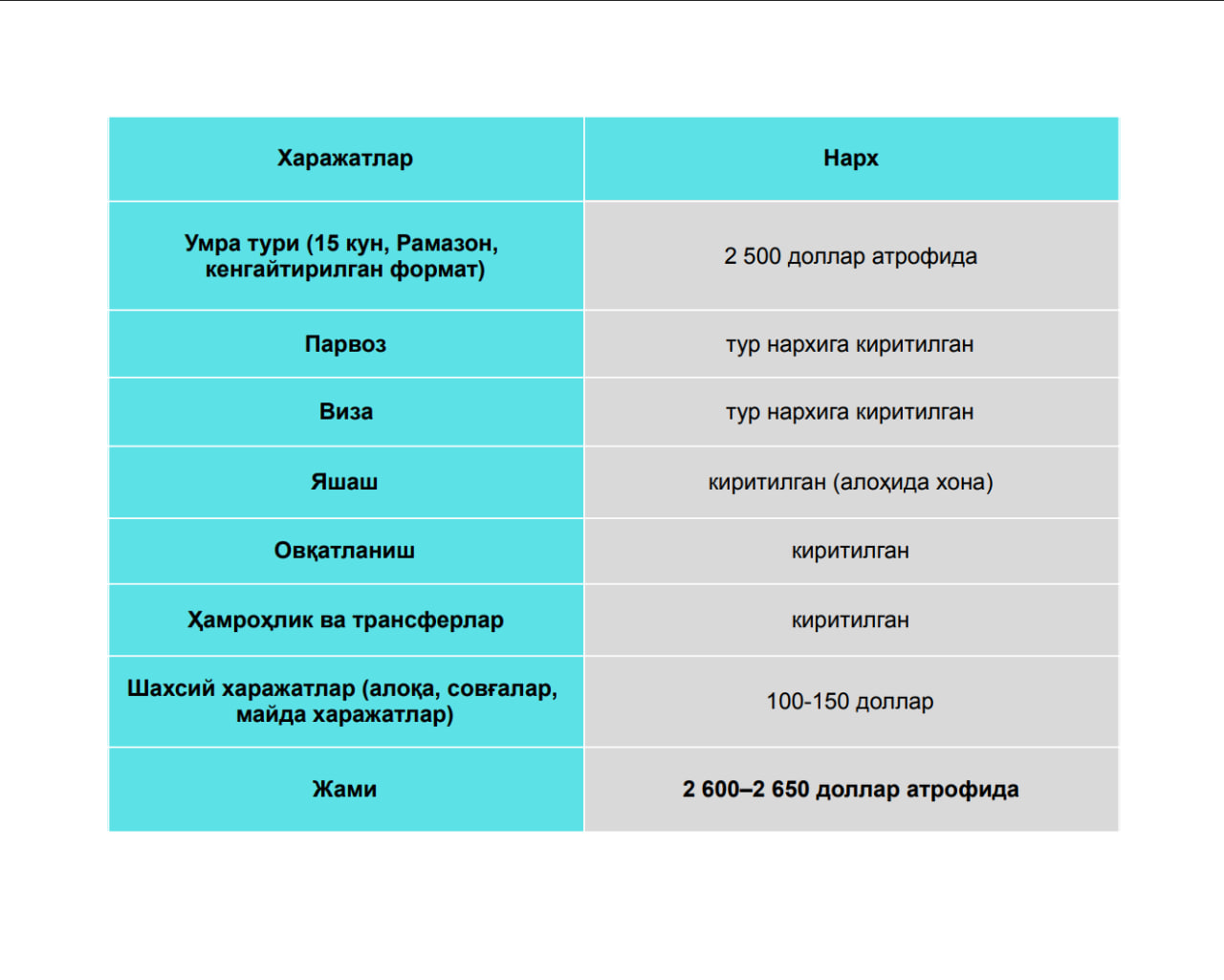
These figures show how the final cost of the trip is formed and where additional expenses most often arise.
What Umrah travel formats are available
Umrah formats differ not by the set of rituals — which is the same for all pilgrims — but by accommodation conditions and the way the trip is organized. These factors determine comfort, physical strain, and the final cost.
How many people share a room
The main differences between travel formats relate to accommodation. Tour operators most often offer:
- three-, four-, or five-person rooms — the most common option that helps reduce costs;
- double or private rooms — significantly increase the tour price even if meals and guidance remain unchanged.
Group tours vs individual travel
The most common format is group tours. Pilgrims are accompanied by a tour operator representative who assists with accommodation, intercity transfers, and explains the sequence of rituals.
This format is especially important for first-time travelers, as it is easy to get lost or confuse procedures in large crowds.
Individual trips are less common and usually more expensive. They are suitable for those who have already performed Umrah and are ready to handle organizational matters independently.
Who is allowed to organize Umrah trips
Only companies with official authorization are permitted to organize Umrah trips. These tour operators handle visas, flights, accommodation, and accompany pilgrims throughout the journey.
Uzbekistan is launching a “Unified Hajj and Umrah Portal” through which pilgrim registration will be conducted. New rules are being introduced gradually and will apply to both Hajj and Umrah.

According to a Cabinet of Ministers decision, mandatory registration through the portal will come into force:
- for Hajj — from February 1, 2026;
- for Umrah — from May 1, 2026.
Once these requirements take effect, travel without registration will not be possible. Tour operators will not be able to issue visas or form groups if pilgrim data is not entered into the system.
Registration will apply to all Umrah formats — both group and individual. Before purchasing a tour, travelers are advised to check the official Hajj and Umrah portal for registration rules and the list of authorized tour operators.
Challenges faced in the first days of pilgrimage
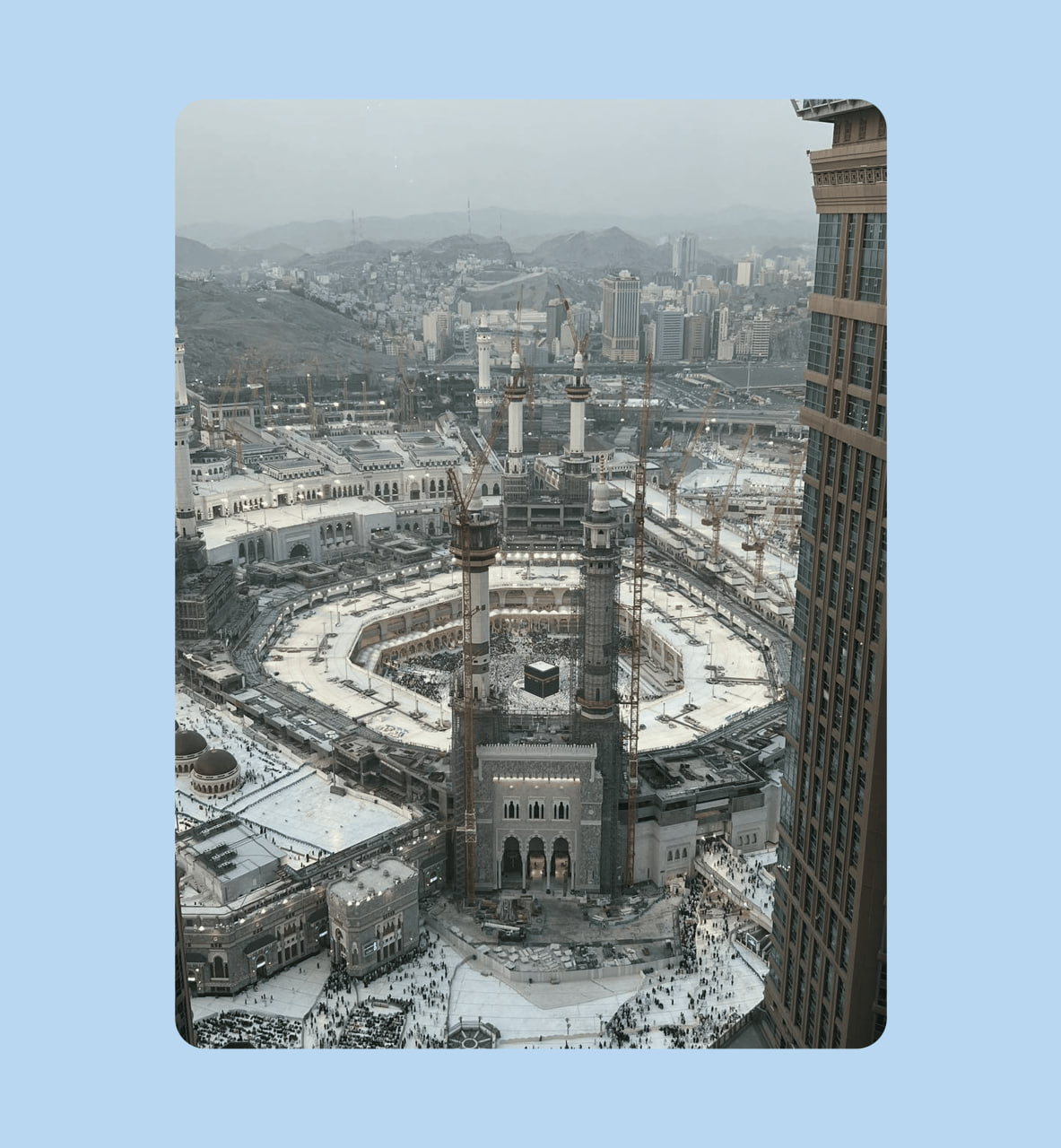
Even with an organized trip, the first days in Mecca require special attention. Streets around Masjid al-Haram look similar, and routes can change unexpectedly due to heavy crowds.
On the very first day after performing tawaf and sa‘i, the group split up, and pilgrims had to find their way back to the hotel on their own.
Why it is important to remember the gates
One of the most common mistakes is failing to note which gate was used to enter and exit the mosque. Masjid al-Haram has dozens of exits that look almost identical on the ground.
As a result, the return route began from a different gate. Phones gradually ran out of battery, navigation stopped working, and communicating with locals became difficult. Even a short distance can turn into hours of searching under such conditions.
How much a mistake can cost
After several hours of wandering, a taxi was needed. A trip of about one kilometer cost 100 riyals — approximately USD 27–30.
This expense was caused not by distance or service level but by loss of orientation and fatigue. The situation clearly shows how a small organizational mistake in the first days of Umrah can lead to additional costs.
Daily life during Umrah
During Umrah, the day is structured around prayers and movement between them. Time is perceived differently — not by the clock, but by prayer times. Even when staying close to mosques, pilgrims walk long distances, and due to dense crowds, short routes often take longer than expected.
Mecca and Medina are fully adapted for pilgrims. Nearby are simple cafes, shops with basic necessities and souvenirs, and infrastructure designed for a constant flow of people. Groups include pilgrims of different ages and nationalities — goals vary, but the shared space requires patience and attentiveness.
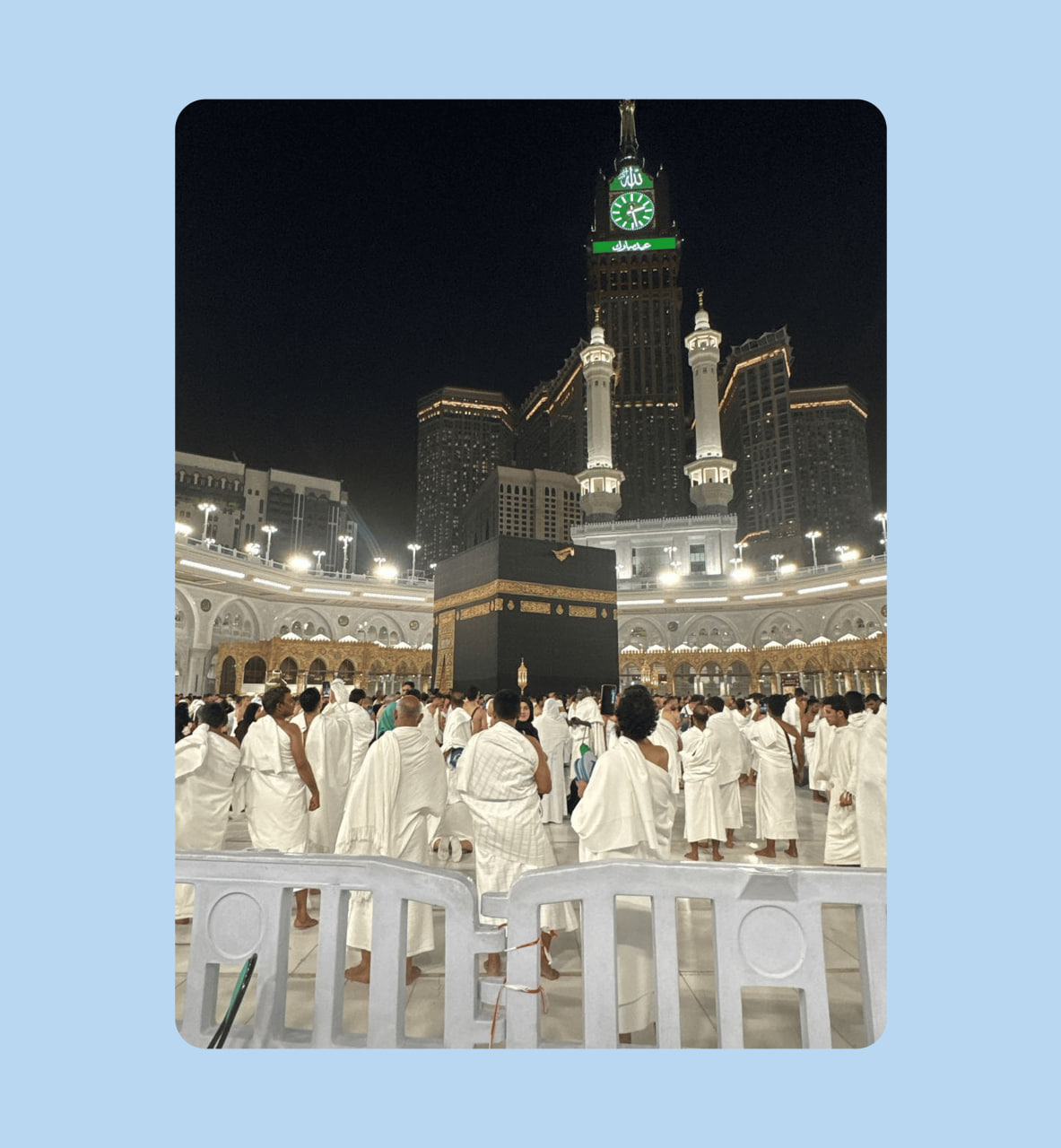
Against this background, everyday and organizational issues become the most challenging, especially in the first days. Without a local SIM card, it is difficult to navigate and stay in touch with guides. Movement is mostly on foot, covering several kilometers per day.

Related News

19:32 / 02.06.2026
First Uzbek Hajj pilgrims return to Tashkent

11:52 / 22.05.2026
President Mirziyoyev congratulates Uzbek pilgrims in Makkah on upcoming Eid al-Adha
21:25 / 20.05.2026
Imam Al-Bukhari complex welcomes over one million visitors in first month since reopening
20:03 / 04.05.2026