



Additional features
-
Night mode

Household solar generation brings record payouts across Uzbekistan in 2025
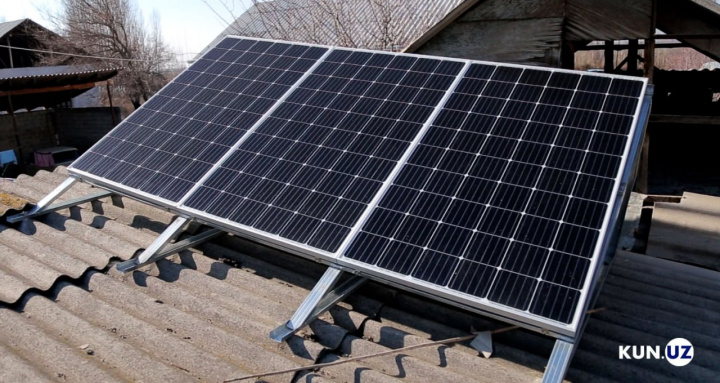
Households in Uzbekistan earned more than $17 million from selling solar-generated electricity to the national grid in 2025, as participation in the state-backed “Solar home” program expanded sharply.
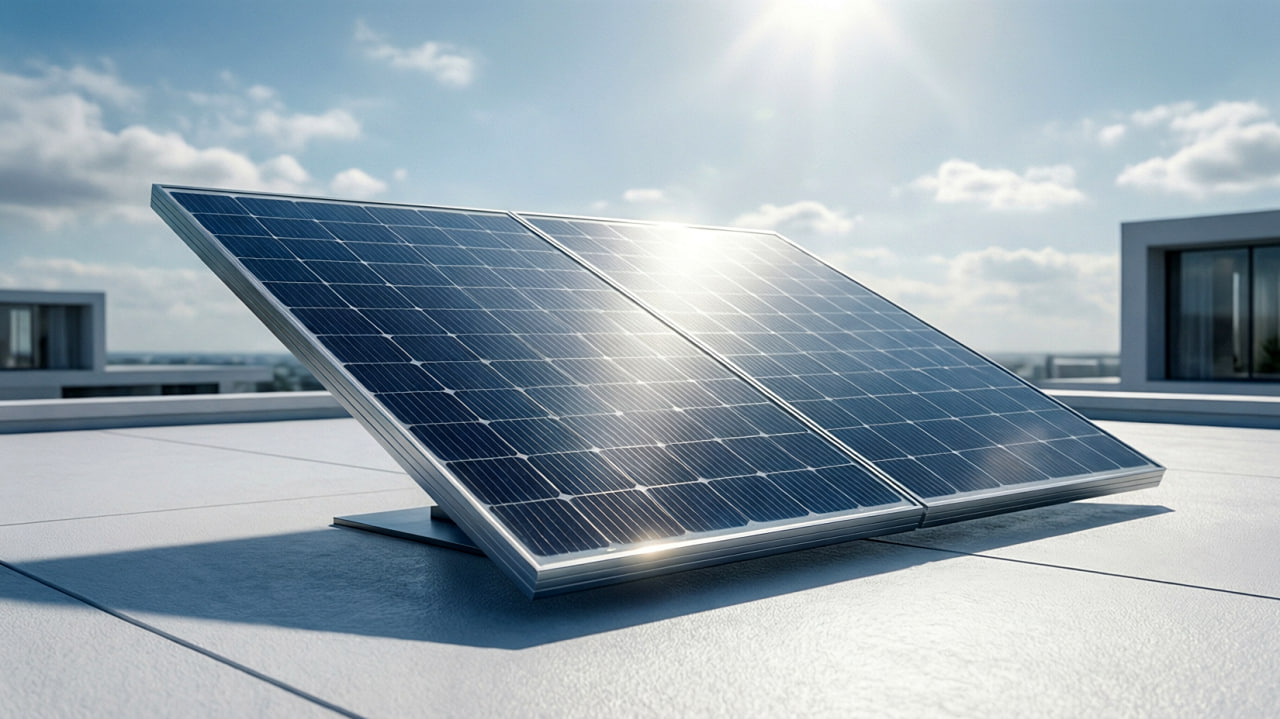
According to the State Tax Committee, 45,381 individuals received budget subsidies for electricity supplied from residential solar photovoltaic panels. The program, launched in April 2023, compensates households for surplus electricity generated beyond their own consumption and fed into the unified power grid. Subsidy payments are transferred to beneficiaries’ bank cards via the Soliq app by the 25th day of the month following the reporting period.
The total volume of subsidies paid in 2025 reached UZS 209.2 billion, equivalent to $17.43 million at the Central Bank’s exchange rate at the beginning of the year. For comparison, total payouts under the program in 2024 amounted to just UZS 12.18 billion – around 17 times less than last year’s figure.
Subsidy payments accelerated toward the end of the year. In the final quarter alone, participants received 55.56 billion from the state budget. The peak was recorded in the third quarter, when subsidies for solar electricity exceeded UZS 90 billion.
Regionally, the largest share of payments went to Khorezm region, which accounted for UZS 55.4 billion – around a quarter of all subsidies paid nationwide. Karakalpakstan ranked second with UZS 29.12 billion, followed by Bukhara region with UZS 25.74 billion.
Kashkadarya (UZS 18.16 billion) and Navoi region (UZS 13.46 billion) completed the top five. Tashkent, which previously ranked among the leaders, dropped to sixth place with UZS 13.33 billion in subsidies.
In December alone, the largest subsidy volumes were recorded in Bukhara (UZS 2.26 billion), Khorezm (UZS 1.47 billion), and Kashkadarya (UZS 955 million).
President Shavkat Mirziyoyev first announced subsidies for households installing solar panels in February 2023. Under the scheme, citizens receive UZS 1,000 for each kilowatt-hour of electricity supplied to the grid above their own consumption.
Further support measures were introduced in August 2024, when the president ordered the exemption of solar panel components from import duties and value-added tax. Authorities said the move was intended to level the playing field between domestic producers and importers and accelerate the adoption of renewable energy technologies.

Related News
19:20 / 02.07.2026
Uzbekistan reports sharp fall in coal and gas extraction amid rising electricity generation
19:12 / 02.07.2026
Government pays delayed solar energy subsidies to 60,000 households under "Solar House" program
14:00 / 25.06.2026
Renewable power generation jumps 43% in Uzbekistan, pushing green energy share above 45%
10:30 / 24.06.2026