



Additional features
-
Night mode

Fergana-based call center scam netted $125,000 from elderly Russians
An organized criminal group operating out of Fergana region has been convicted for defrauding Russian pensioners of millions of rubles through a fraudulent call center scheme.
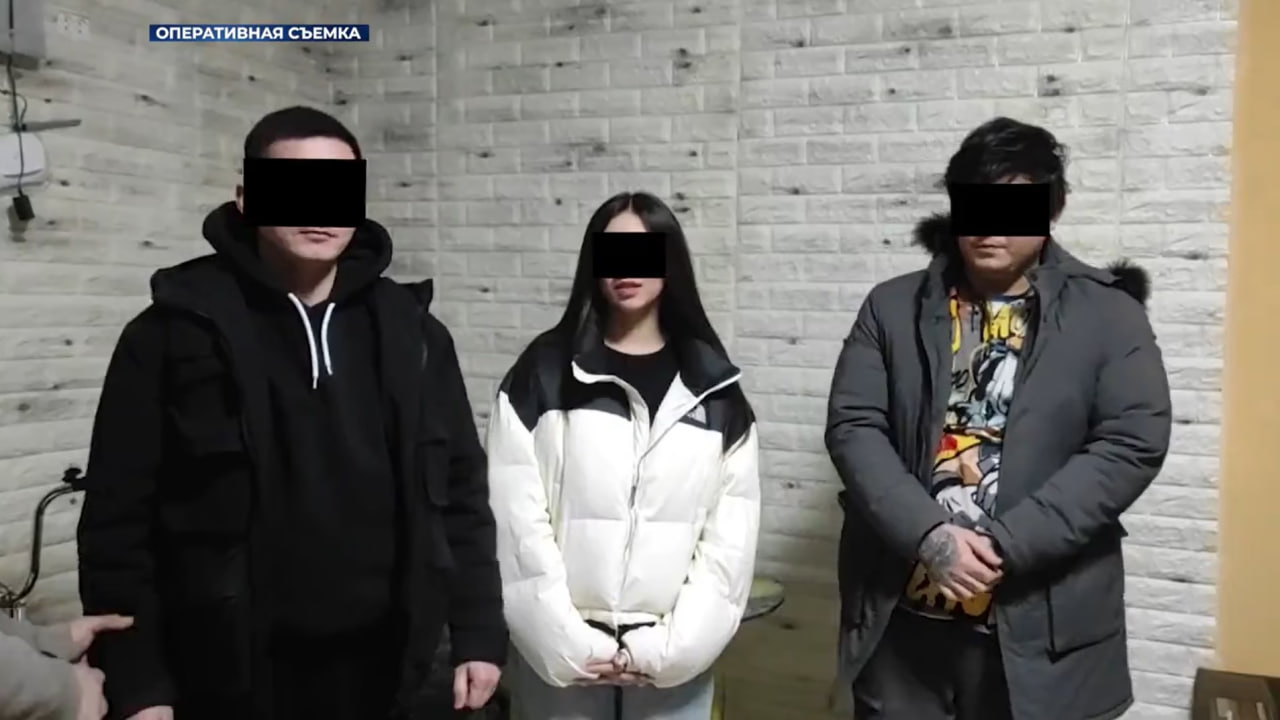
The group, led by a 40-year-old resident of Fergana city, consisted of 34 members and operated from rented premises in Tashkent and Fergana under the guise of “call centers.” The operation was uncovered following joint search measures conducted by the Fergana regional department of the State Security Service in cooperation with other law enforcement agencies.
Investigators established that the group had obtained personal data of more than 70,000 customers of Russian companies engaged in the sale of medicines and dietary supplements. Using SIP telephony and the Zoiper application, operators placed calls primarily to elderly individuals in Russia.
During the calls, the suspects posed as representatives of law enforcement agencies or bank employees. They falsely claimed that the victims had purchased low-quality medicines or biologically active supplements and were therefore entitled to compensation ranging from 500,000 to 580,000 rubles. However, in order to receive the supposed payout, the pensioners were told they first needed to pay “taxes” or other mandatory fees.
As a result of the scheme, victims transferred a total of 9,599,561 rubles, approximately $125,000, to various bank cards controlled by the group.
In addition to the fraud scheme, three members of the criminal organization were found to have conducted cryptocurrency transactions worth nearly $470,000 without holding the required license for crypto-asset trading activities.
The criminal case was reviewed by the Yazyavan District Criminal Court. The defendants were found guilty under several articles of the Criminal Code, including Article 168 (fraud), Article 243 (legalization of proceeds from criminal activity), Article 278-7 (illegal access to telecommunications networks), and Article 278-8 (violations of legislation regulating crypto-asset circulation).
Twenty-one individuals were sentenced to prison terms ranging from three years and six months to nine years and six months. The remaining 13 defendants received restricted freedom sentences of between four years and three months and four years and six months, along with fines.
The court also ordered the recovery of material damages inflicted on the victims.

Related News

12:14 / 13.07.2026
How cybercriminals used hacked accounts and fake documents to steal millions in Uzbekistan
11:47 / 10.07.2026
Three suspected cyber fraudsters arrested in Navoi over UZS 336 million theft scheme

15:06 / 08.07.2026
Tashkent police dismantle cyber fraud network targeting Europeans and North Americans
15:45 / 06.07.2026