





Additional features
-
Night mode

Uzbekistan to subsidize electric vehicle charging costs from May 1
The government of Uzbekistan has announced a series of significant incentives to encourage the use of electric vehicles (EVs), including direct subsidies for charging and tax breaks for drivers. These measures are outlined in the 2026 State Program, which was recently approved by presidential decree.
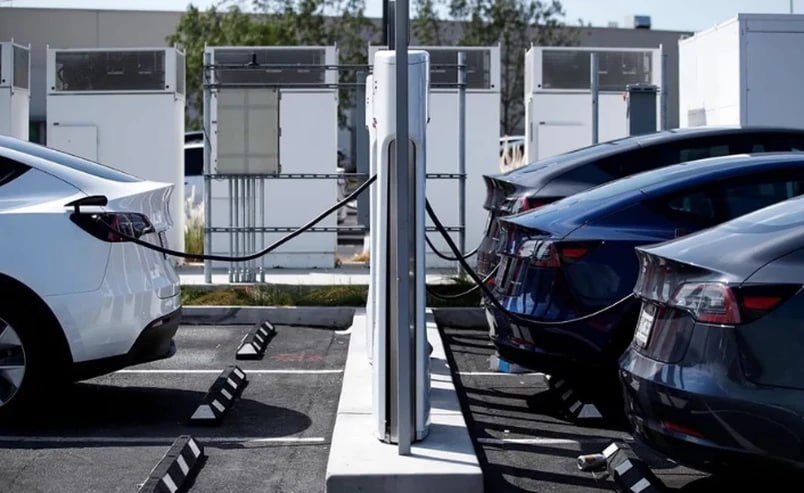
Starting from May 1, 2026, a new subsidy mechanism will be introduced for electric vehicle charging stations. Regardless of the market price for electricity, EV owners will only pay 300 UZS per 1 kWh. Any cost exceeding this threshold will be covered by the state budget. This initiative aims to make the operation of green vehicles significantly more affordable for the general public.
The program also introduces specific benefits for self-employed individuals providing taxi services using electric vehicles. Effective from March 1, 2026, these drivers will be eligible for the following perks:
- Tax reductions: A discount of up to 10% on social tax payments.
- Free parking: Permission to use state-owned parking lots, including those at airports and railway stations, free of charge for up to 30 minutes.
- Professional recognition: Drivers who provide taxi services for 1 million kilometers without any traffic violations or accidents will be honored with the “Nature Protector” (Tabiat Himoyachisi) badge.
To accelerate the expansion of the charging network, the government is also providing incentives for businesses. From May 1, 2026, the starting price for land plots auctioned for the construction of charging stations will be set at 50% of their actual market value.
Beyond transportation, the 2026 State Program emphasizes environmental sustainability and urban greening. Plans include the establishment of 14 botanical and dendrological gardens across the republic’s regions, as well as the creation of 20 shaded walking alleys in various districts.
In a move toward innovative climate management, Uzbekistan also plans to develop a scientifically based pilot project for artificial rain technology. This initiative follows a thorough study of international experiences from countries such as France, China, and Saudi Arabia, and is intended to address water resource challenges and environmental balance.

Related News

17:34 / 01.07.2026
Fergana tax authorities block UZS 125.4 billion in fraudulent VAT claims after uncovering fake trade scheme
17:28 / 01.07.2026
Uzbekistan's trade deficit widens to $7.5 billion as exports fall and imports surge

17:03 / 26.06.2026
Coca-Cola's Uzbek subsidiary challenges $25 million tax assessment in court
17:35 / 25.06.2026