Human Rights Watch urges Uzbekistan to grant farmers true independence
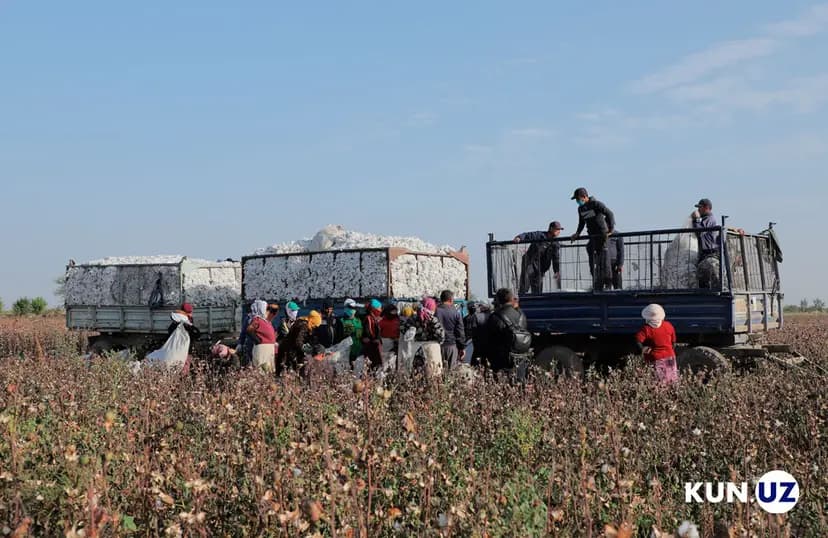
A major new report released by Human Rights Watch (HRW) and the Uzbek Forum for Human Rights highlights persistent state coercion, exploitation, and systemic rights violations against cotton and grain farmers in Uzbekistan.
Photo: Kun.uz
The nearly 120-page report, titled "Farmers Have no Freedom: Abuse and Exploitation of Cotton and Wheat Farmers in Uzbekistan," was presented on February 17, 2026. It provides a comprehensive analysis of the agricultural sector based on dozens of interviews conducted between October 2023 and December 2025, as well as court materials, legislative documents, and media reports.
Achievements overshadowed by continued state control
The report acknowledges that the Uzbek government has made significant strides in recent years, notably by ending state-sponsored forced labor in the cotton harvest and initiating a broad Strategy for Agricultural Development for 2020-2030.
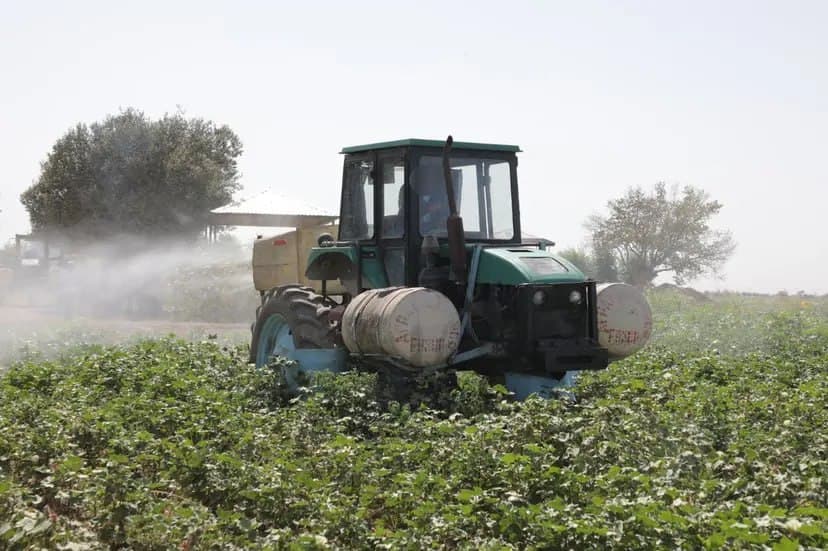
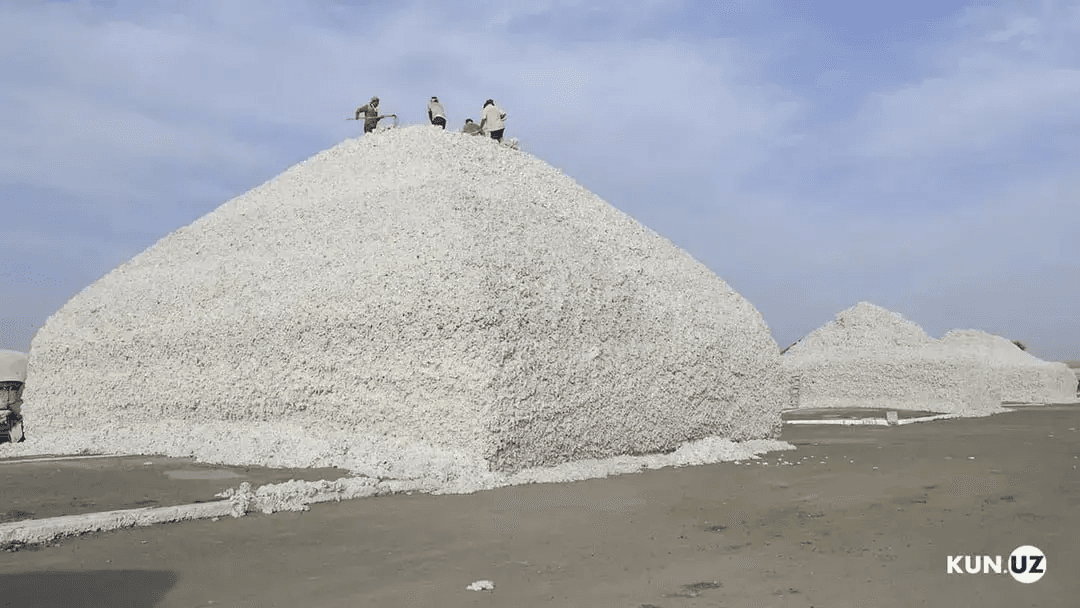
However, activists argue that despite these achievements, a "serious and coercive" level of state control remains. Under the current system, farmers must grow specific crops on state-leased land, meet rigid production quotas, and sell their harvest at fixed prices.
According to the report, farmers are in a very vulnerable position; they face threats, insults, and other illegal coercive measures. "The system prevents them from operating independently or having control over their working conditions, and in practice makes them subservient to the state, akin to employees," the report says.
Voices from the field
The report contains harrowing testimonies from agricultural workers across the country. One farmer from the Khorezm region, interviewed in November 2025, remarked: "It is as if we have become hired workers for someone, not landowners"
Another farmer from the Fergana region described it as having "a lot of bosses." He explained, saying "Everyone interferes with the farmer's work. Both the police and the prosecutor’s office."
The investigation found that those who fail to meet state quotas face severe consequences, including:
- Confiscation of land: Local authorities frequently use threats of land seizure to enforce quotas.

- Financial instability: Farmers often deal with delayed or non-existent payments from cotton-textile clusters and grain enterprises, yet the state rarely enforces court rulings in favor of the farmers.
- Abuse and detention: Reports include instances of physical assault and verbal abuse by local officials. In some extreme cases, police have arbitrarily detained farmers for several days without charge for failing to meet production targets.
The role of the judiciary and civil society
The report paints a grim picture of the legal landscape, noting that farmers rarely find justice in Uzbek courts regarding land disputes. "The judge does what the governor says. The court cannot help with land issues," noted one farmer whose land was seized.
Furthermore, the organizations documented multiple instances where local bloggers attempting to cover these violations were threatened, detained, or given short-term prison sentences by the courts.
International calls for action
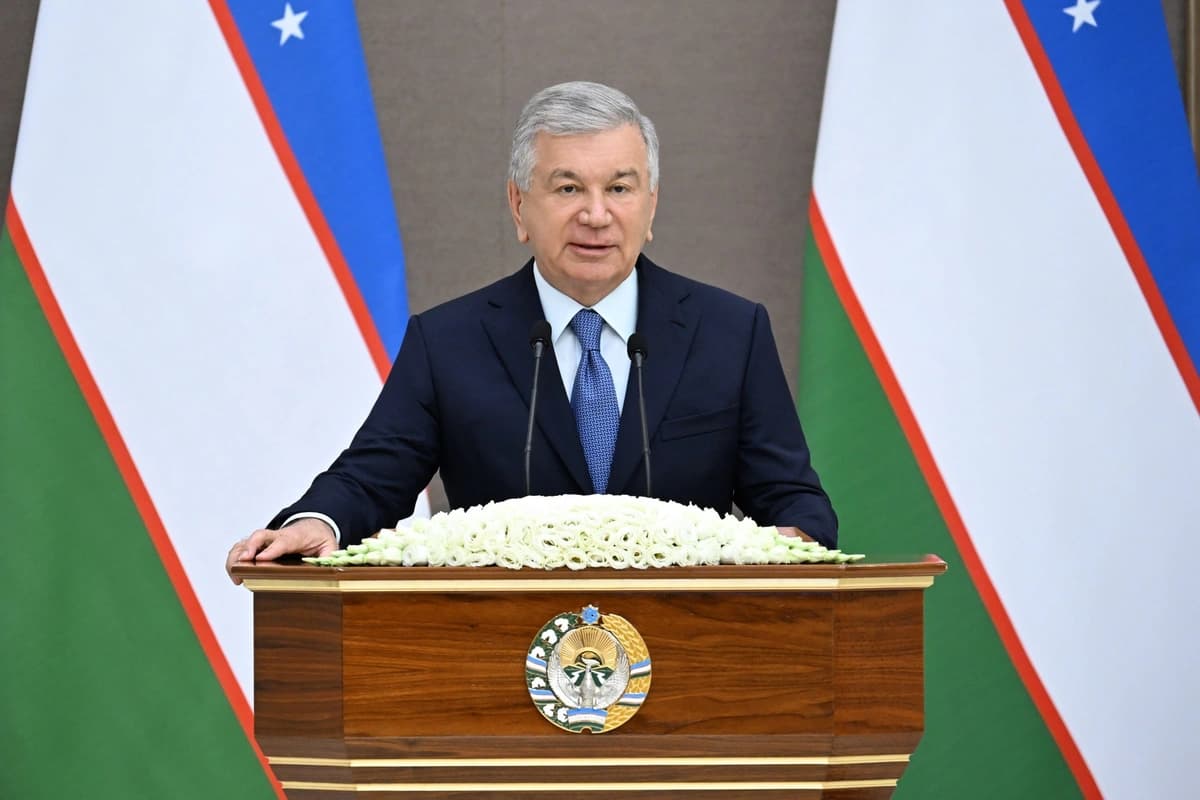
The Ministry of Foreign Affairs of Uzbekistan responded to the report by pointing to recent legislative changes and decrees intended to protect farmers' rights. However, HRW and the Uzbek Forum for Human Rights emphasize that these laws must be strictly enforced on the ground.
"The government must guarantee the actual elimination of unfair and exploitative labor conditions, including by abolishing the quota system," the organizations stated.
Mihra Rittmann, Central Asia Associate Director at Human Rights Watch, addressed Uzbekistan's international partners: "It’s appalling that Uzbekistan’s cotton and wheat farmers work in such exploitative and coercive production conditions. International financial institutions and potential investors should use their leverage to ensure that the Uzbek government implements reform that genuinely protects farmers and their rights."
Related News
13:07 / 02.02.2026
Local authorities warned over forced labor during census activities
20:56 / 07.01.2026
Order forcing teachers to work 24/7 in Fergana traced back to Cabinet of Ministers
13:38 / 06.01.2026
Teachers in Buvayda report being forced into round-the-clock duty,
15:51 / 10.12.2025